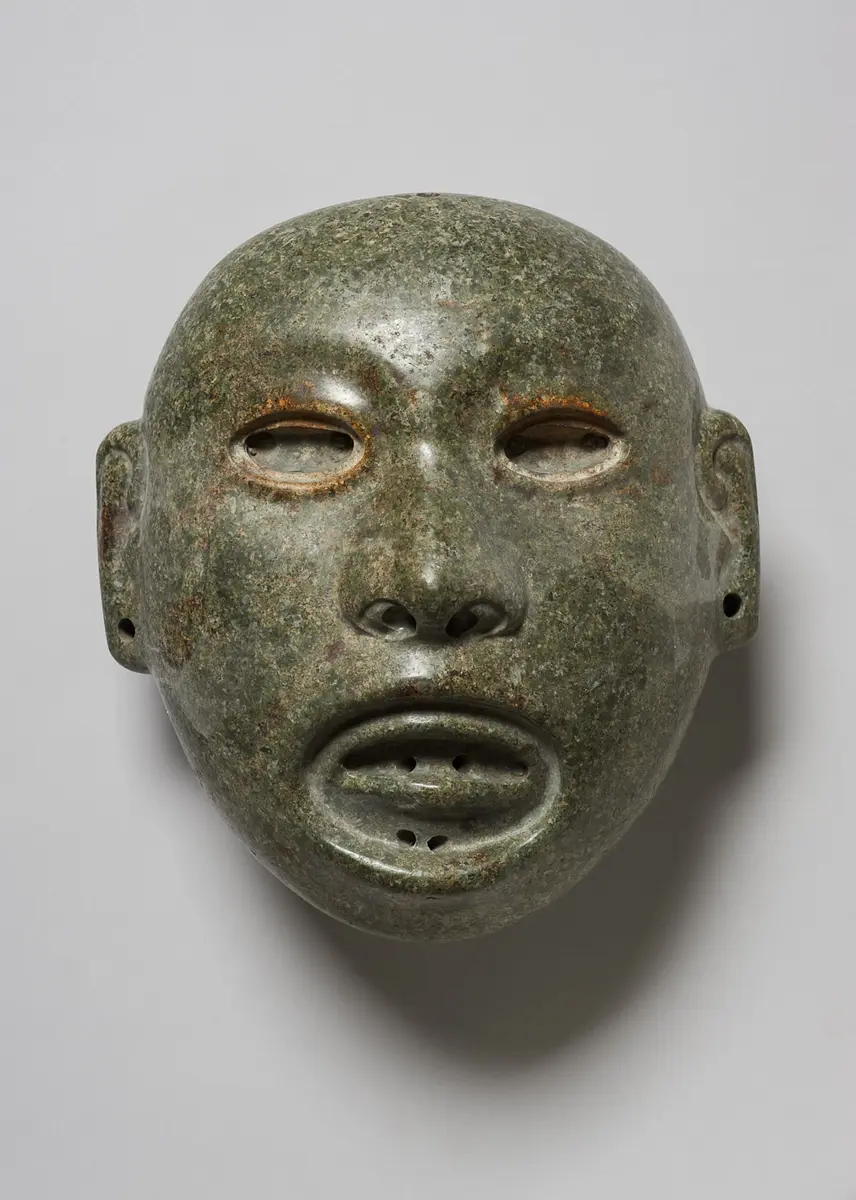
Xipe Totec (Unser Herr der Geschundene), Frühlings- bzw. Erneuerungs-/Kriegsgott
um 1500 | k. k. Münz- und Antikenkabinett
Diese aztekische Maske besteht aus Grünstein und entstand im 15. oder frühen 16. Jahrhundert. Beachten Sie die Augen- und Nasenlöcher sowie die Mundöffnung. Die Umrisslinien sind hier jeweils doppelt ausgeführt. Warum? Die Maske zeigt Xipe-Tótec, das heißt "unseren Herrn, den Geschundenen". Sein Gesicht ist mit einer zweiten Haut überzogen. Xipe-Tótec ist der Gott des Frühlings, der Aussaat, der Vegetation und ein Gott des Opfers. Sein Fest feierten die Azteken zum Frühlingsbeginn unter anderem mit einer Zeremonie, bei der einem Gefangenen die Haut abgezogen wurde. Andere Personen, vielleicht Priester, mussten sich dann in die Haut des Opfers hüllen. Vermutlich symbolisierte diese Zeremonie - entsprechend der sich häutenden Schlange - den Kreislauf der Natur und die Wiedergeburt.
Sammlung:
k. k. Münz- und Antikenkabinett
Sammlung:
Maximilian Sohn des Franz Karl Joseph von Habsburg Österreich Kaiser von Mexiko (1832 Wien - 1867 Querétaro (Mexiko)) DNB
Zeit:
um 1500
Zugangsdatum:
1881
Objektbezeichnung
Xipe Totec (Unser Herr der Geschundene), Frühlings- bzw. Erneuerungs-/Kriegsgott
Material/Technik:
Stein
Bildrecht
Weltmuseum Wien
Sammlungsbereich
Nord- und Mittelamerika
Geographie
Mittelamerika/Mesoamerika/Mexiko
Inv. Nr.
12415
Weiterstöbern Ähnliche Stücke, die Sie interessieren könnten

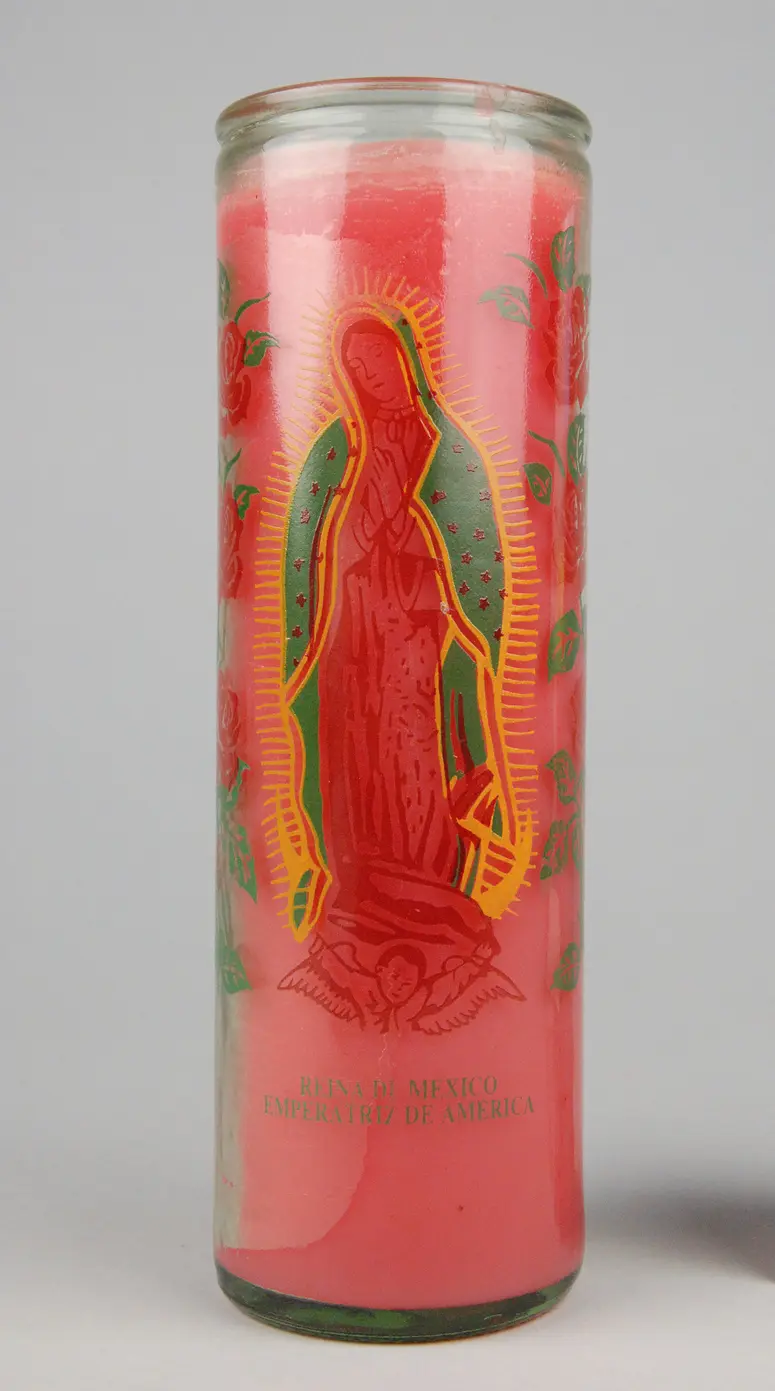
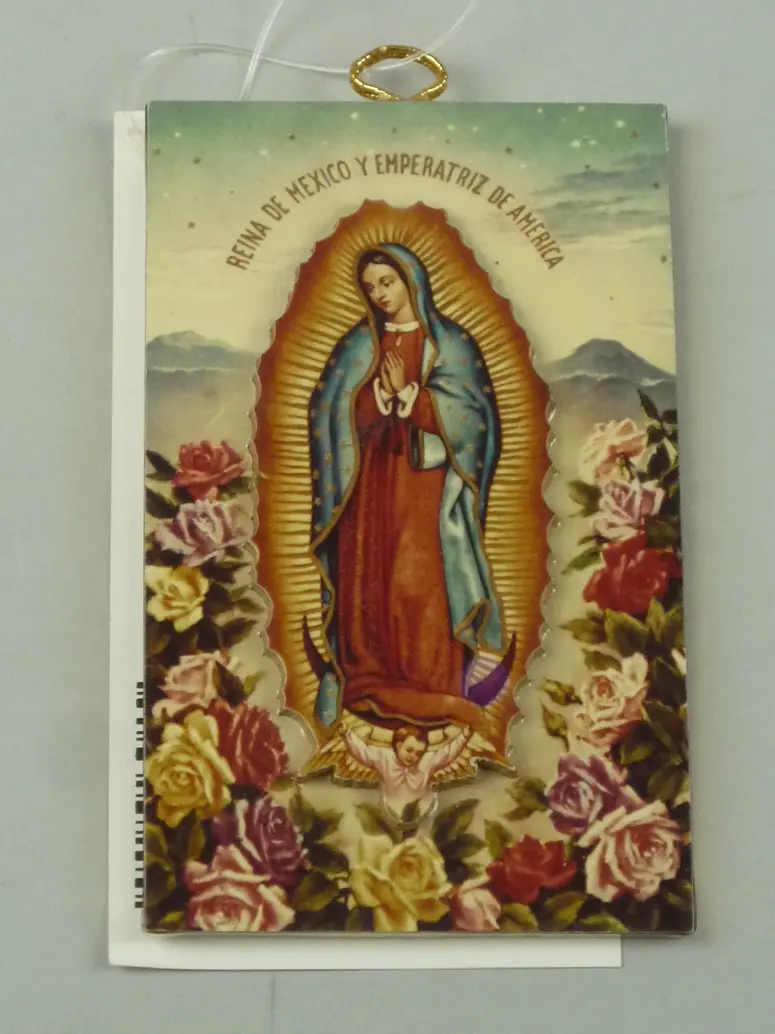
Mariakerze im Glas. „Königin von Mexiko, Kaiserin von Amerika“ Gerard van Bussel 1999
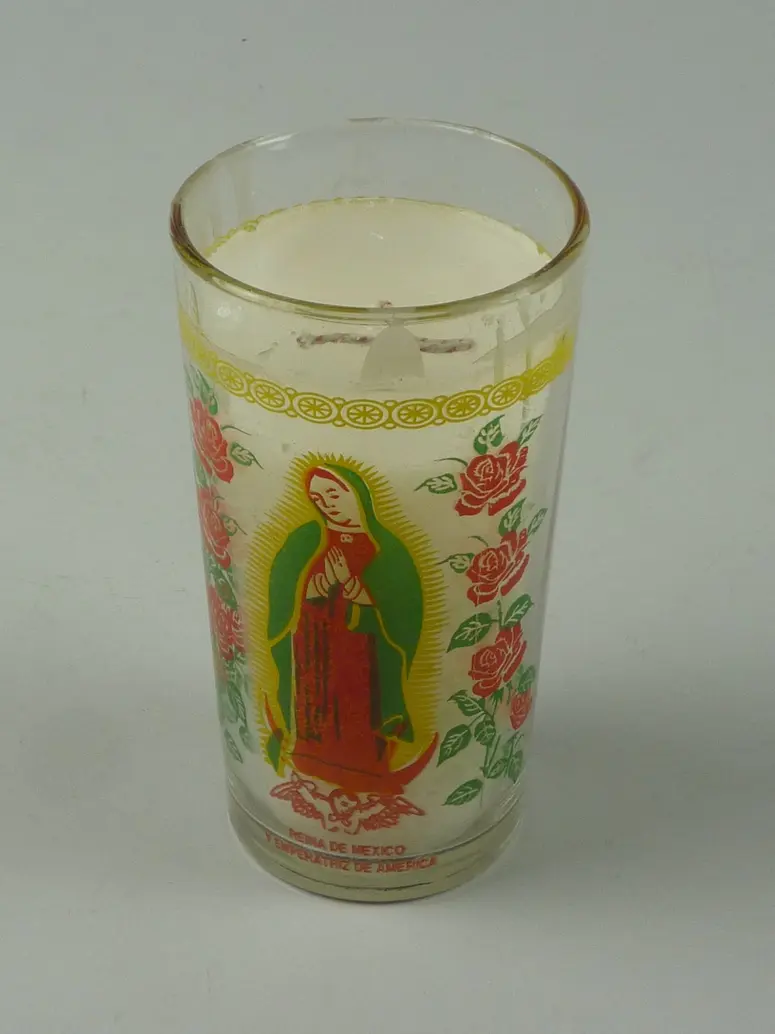
Mariakerze im Glas. "Königin von Mexiko, Kaiserin von Amerika" Gerard van Bussel 1999
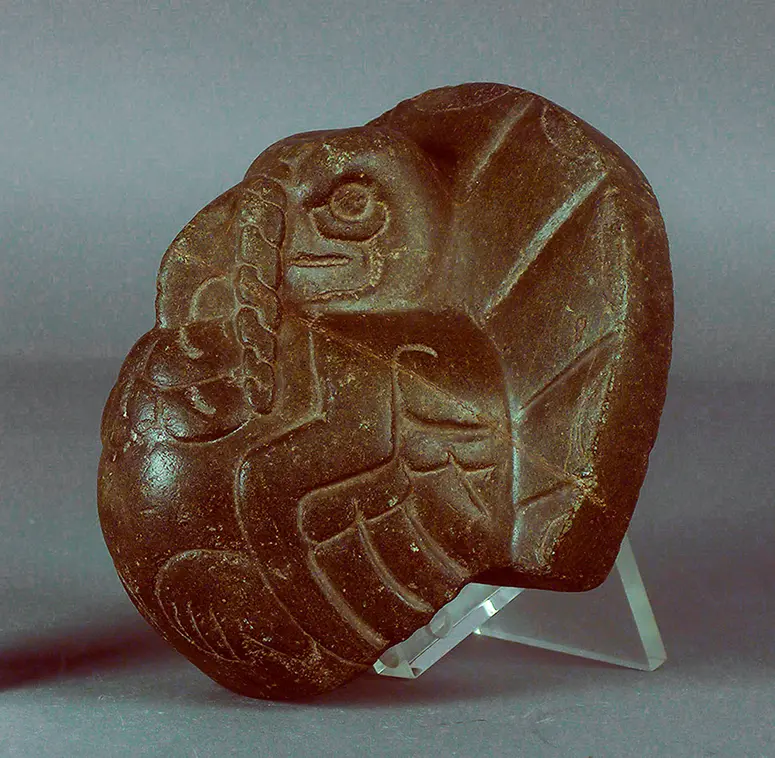
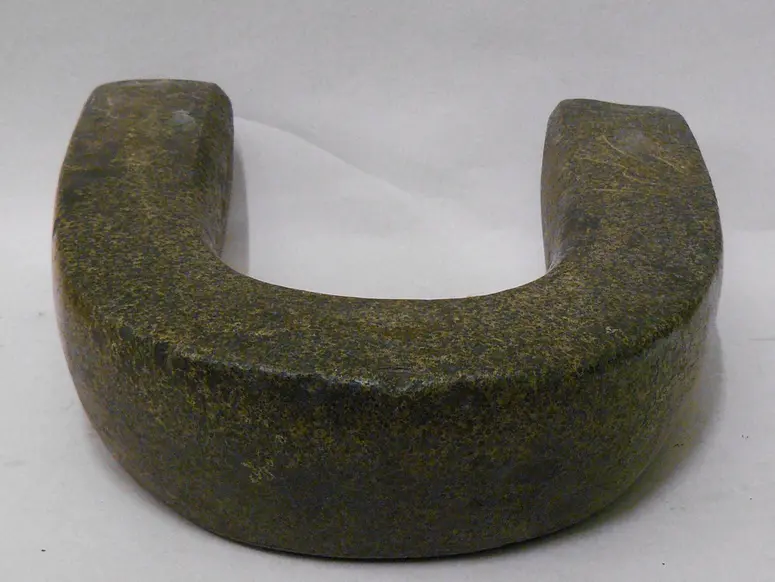

Teller mit Darstellung des Gründungsmythos von Mexiko-Stadt Internationale Keramikausstellung, Gmunden 1959