Tue, 21 Jun
cancelledFishes, Forests, and Indigenous Amazonian Peoples: Musical Celebrations of Abundance in the Rio Negro
Lecture by Jonathan D. Hill in English
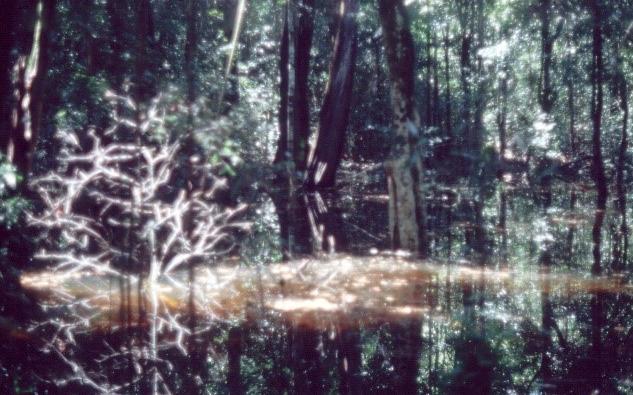
The Curripaco or Baniwa of the upper Rio Negro region in Venezuela, Colombia, and Brazil inhabit an environment characterized by some of the most acidic, nutrient-poor soils and rivers in all of Amazonia. Nevertheless, Indigenous peoples have developed a sustainable economy based on bitter manioc cultivation, fishing, and some hunting and gathering. In their gardens the Curripaco have a 10-to1 efficiency ratio (i.e., 10 calories energy out for each calorie input). Fishing in the Rio Negro is very low in productivity during the long wet seasons from April through July. Fishing productivity increases considerably during the “dry” or less wet season of August through March. Also there is a brief moment of super-abundance at the very beginning of the long wet season when the rivers rise approximately 7 meters and about 65 per cent of the rainforest becomes flooded. Fishes of the Leporinus species migrate in large spawning runs into the newly flooded forests and Indigenous people capture them in very large quantities when they are returning to the main channel of the river.
Indigenous people celebrate this brief moment of super-abundance in their ceremonial music by constructing a special, unique type of trumpet called catfish trumpet (kulirrína). The low rumbling sound of these trumpets is said to resemble the sound of the river when large schools of Leporinus fish return from flooded forests to the main channel of the river. In this presentation Jonathan Hill will provide an overview of the social, ecological, and cosmological settings and meanings of these musical performances and play sound recordings that he made during fieldwork in the 1980s.
Before the lecture, visit the curator's tour of the exhibition space: A Mosaic of Brazil
Duration: 90 min.
Registration online (limited number of participants)
Location: WMW Forum