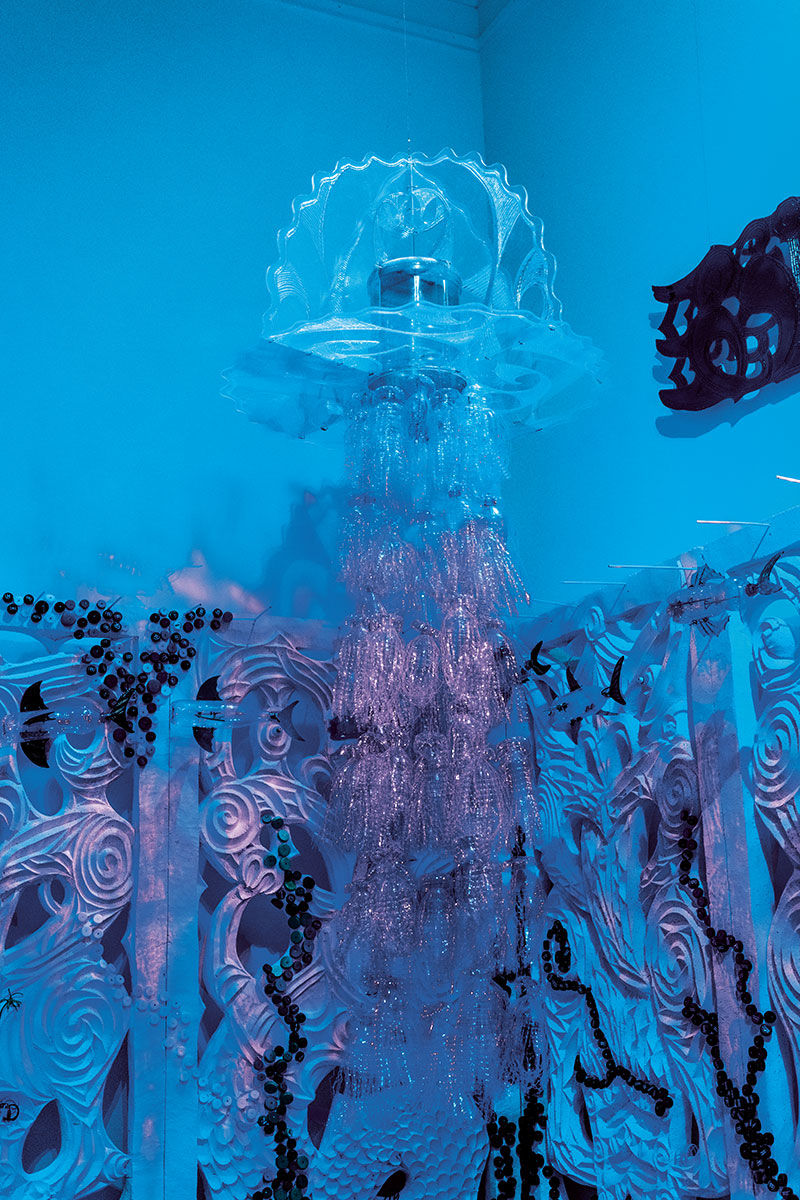
Nobility, clergy and bourgeoisie cultivated interest in exotic and curious objects from the Renaissance.
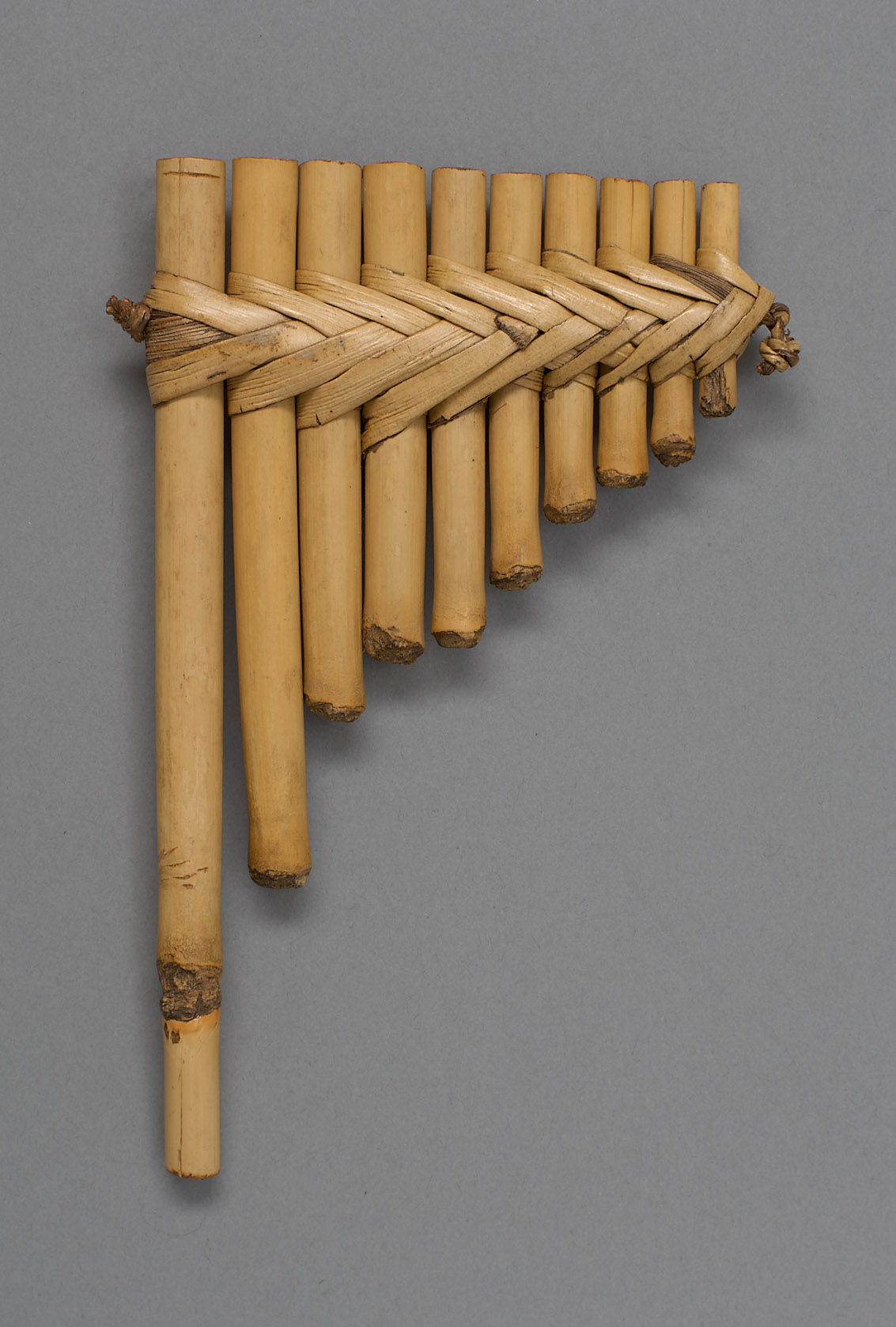
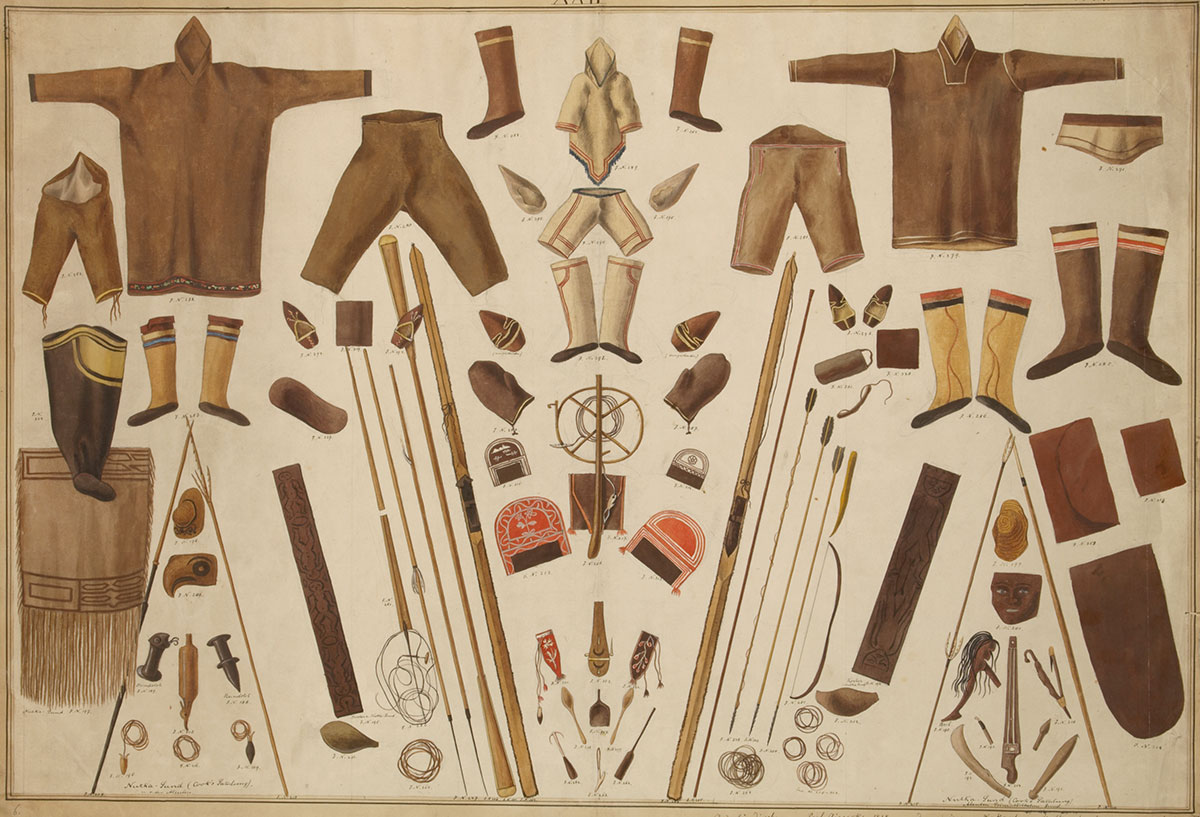
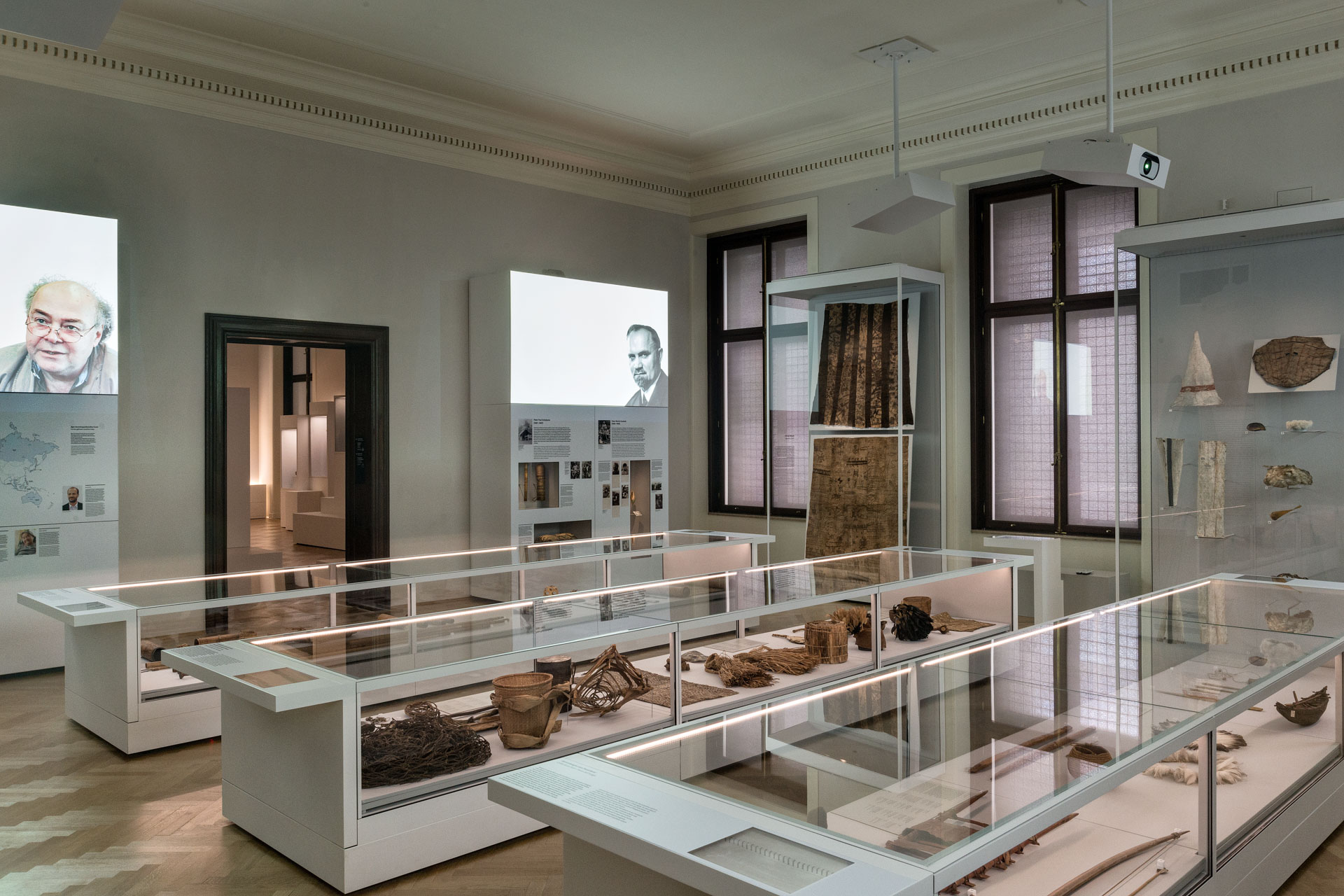
The artefacts in their collections were typically of non-European origin and were housed along with natural objects taken from as yet little-known regions of the world. For instance, a Mexican feather shield was designated as a Chinese parasol, a Caribbean belt, initially described as East Indian, was later thought to be of African origin. Carved ivories from Africa were said to be “Indian” (that is, Asian), and a sketchbook from the Great Lakes region was meant to have originated in Aotearoa (New Zealand).
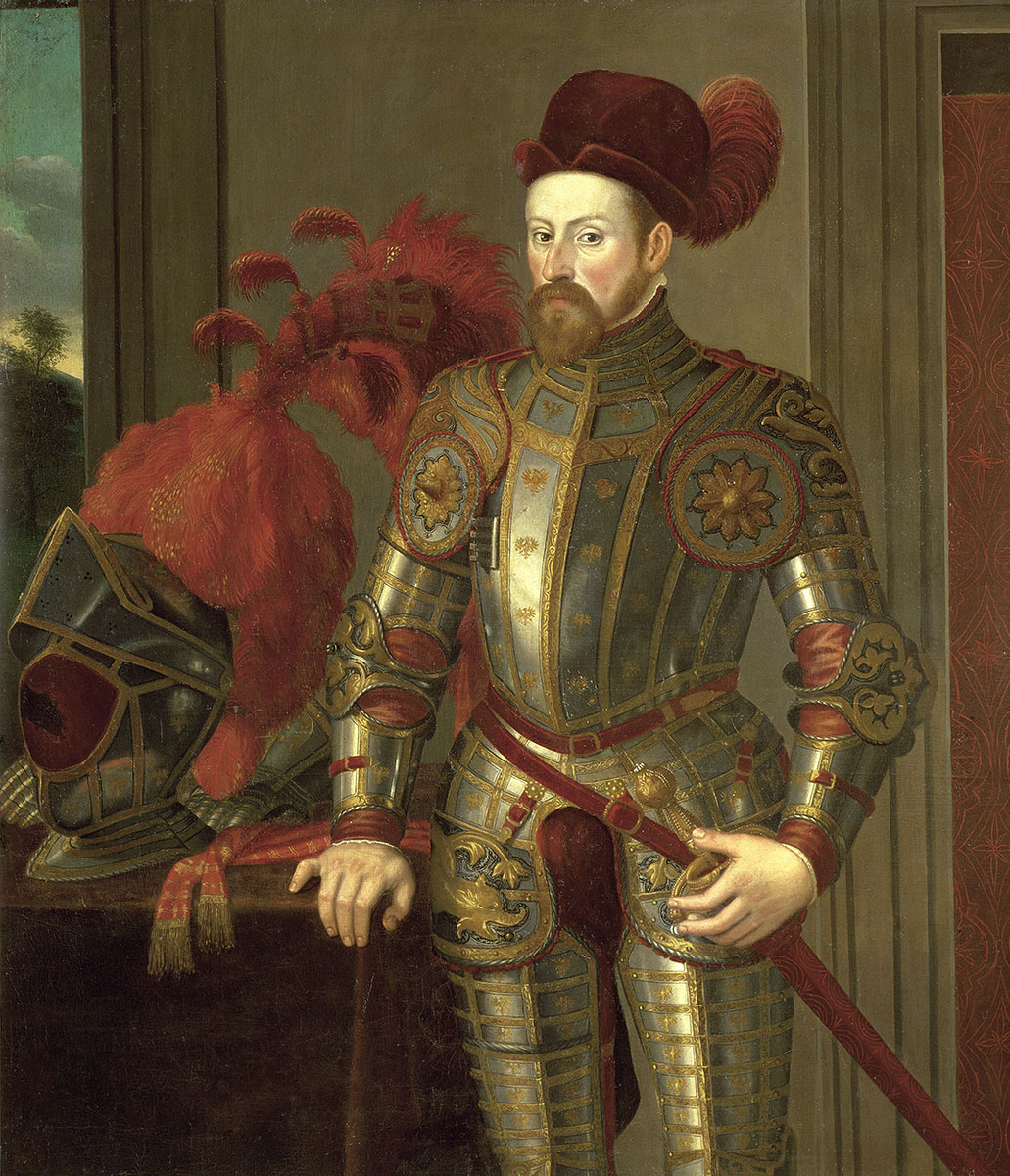
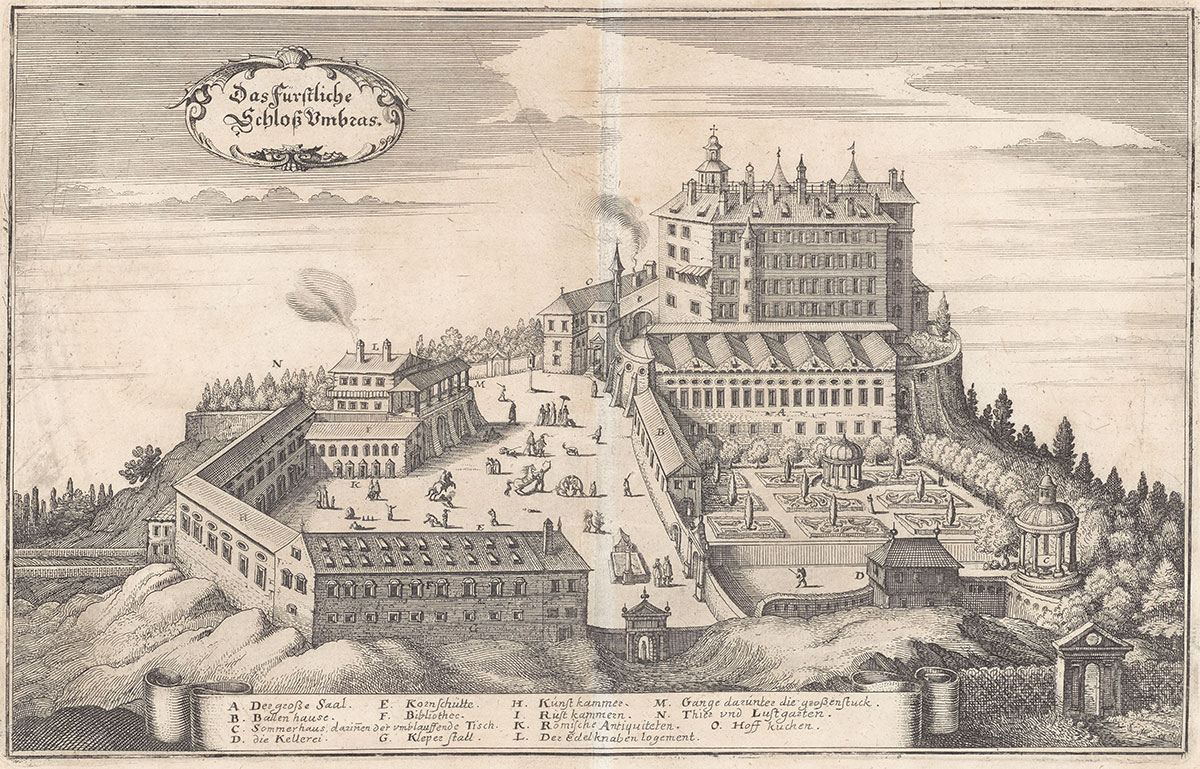
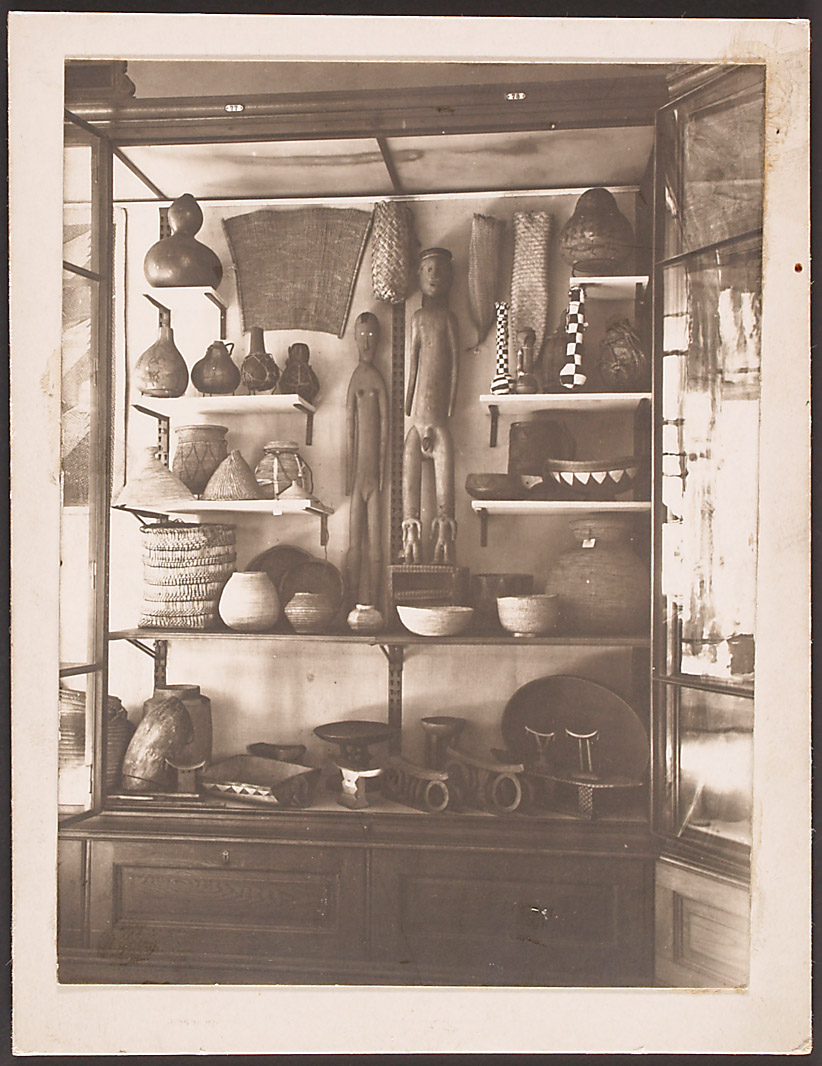
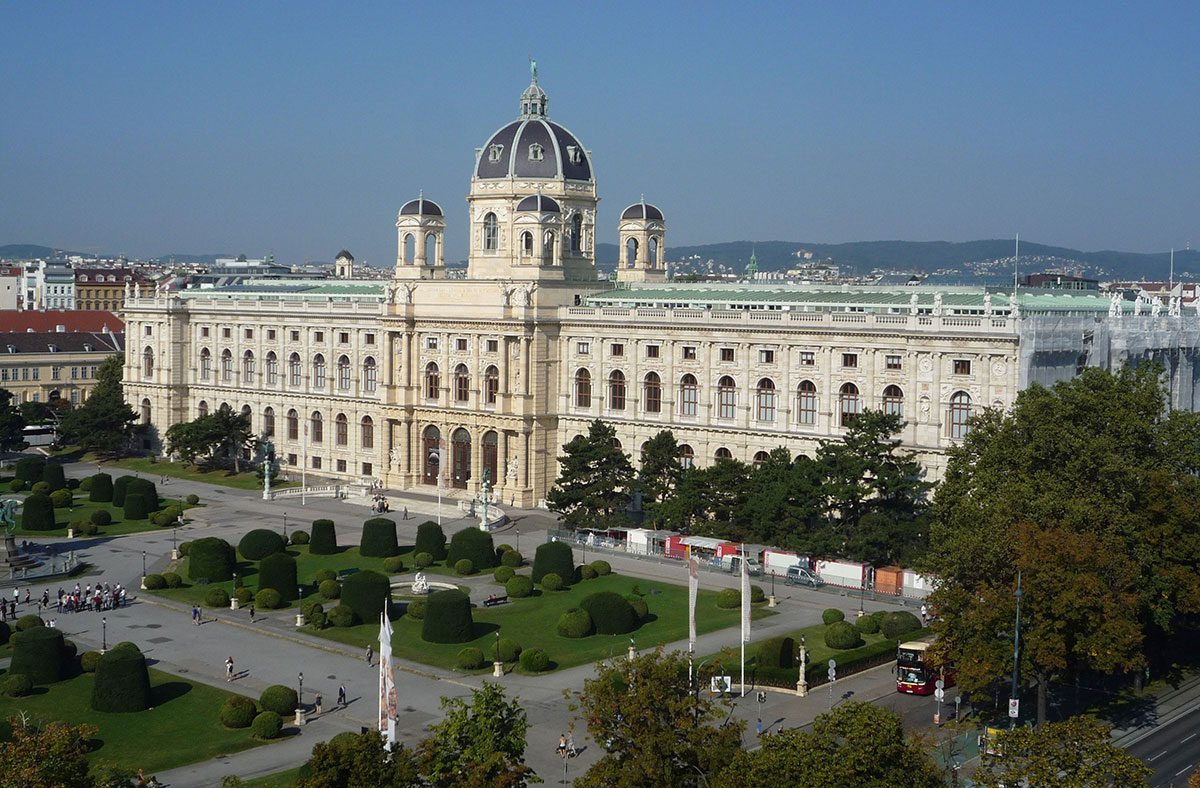
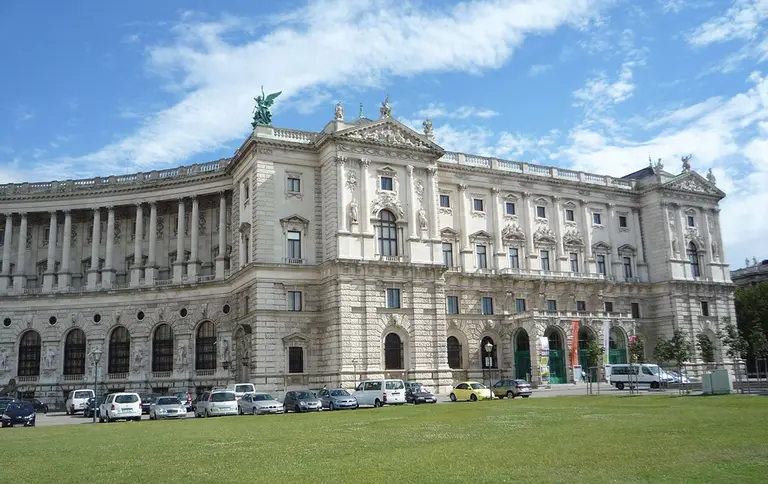
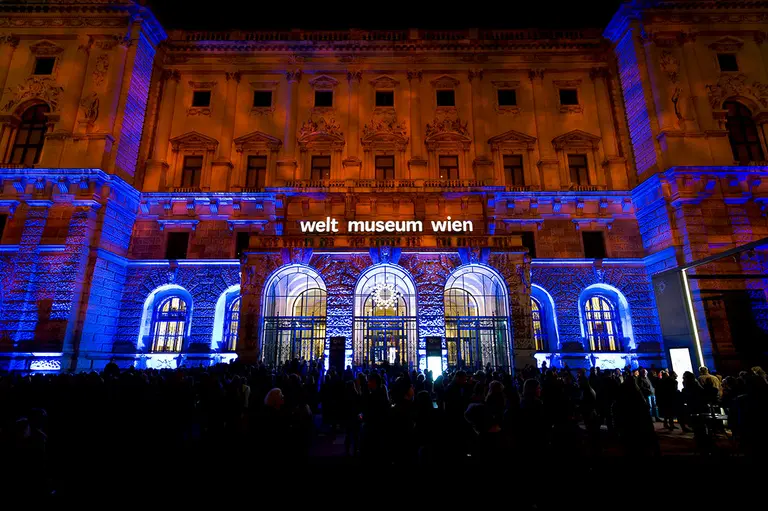
Perhaps, the most famous collection was the Art, Armoury and Curiosity Cabinet of Archduke Ferdinand II (1529–1595) housed in Schloss Ambras, Innsbruck. Such “rarities” would frequently change hands in an international network, either as gifts or through sales. While too many artefacts from the early colonial period from these private collections have been lost, many of those that survived have since passed into museums, among them the present-day Weltmuseum Wien.