Jump to navigation Jump to content Jump to contact Jump to search Jump to search Jump to footer

Colonialism on the Window Sill

until 25 May 2026

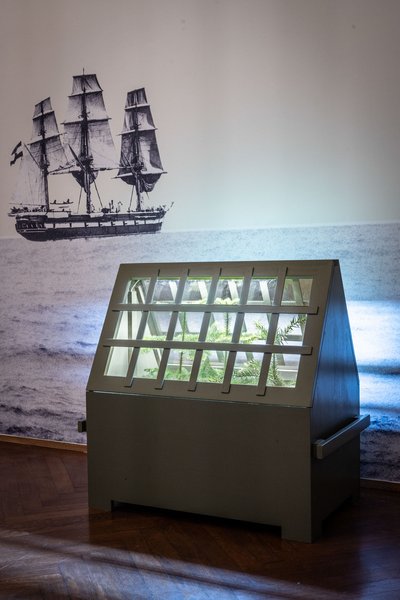
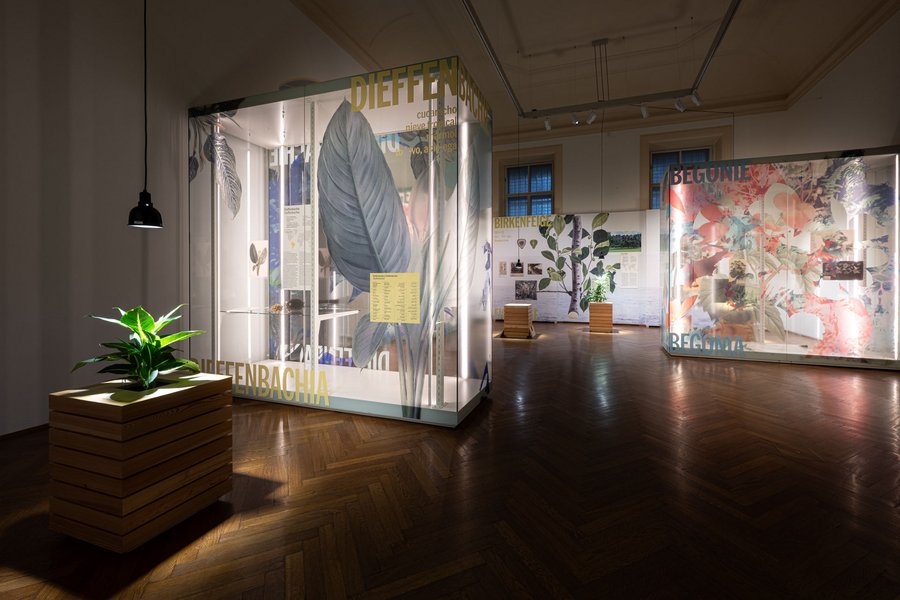
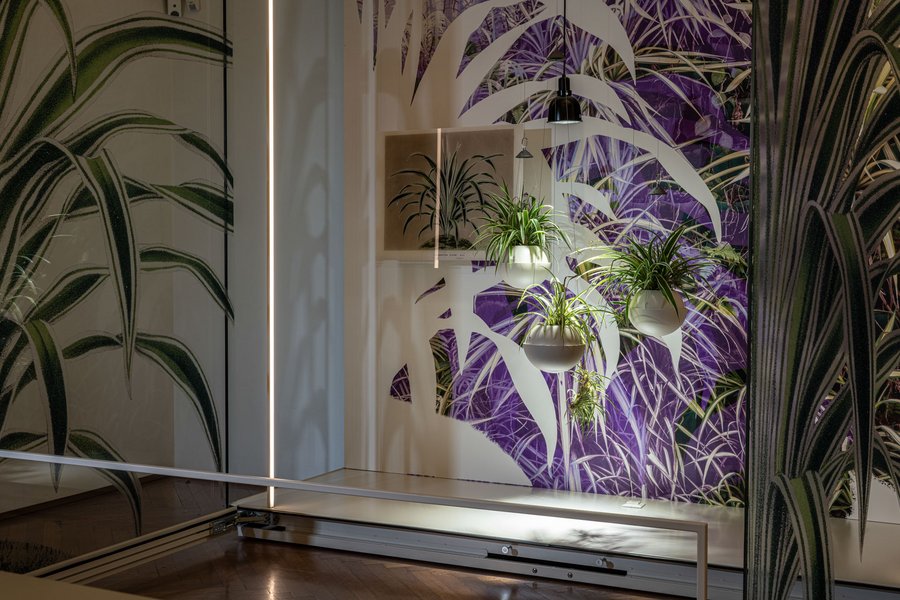
This exhibition shines a spotlight on ten plants that have been favourites of European living rooms and balconies for centuries, though their natural habitats are outside the continent. These plants share a history with our ethnographic collections; some of them joined the objects on long naval voyages to reach Europe and the museums.

Beyond the demand for medicinal plants and crops (nowadays ‘cash crops’ that are cultivated on a grand scale for export), the eighteenth and nineteenth centuries saw a new hunger, even a quest for foreign flora amid deliberations about the potential benefits of plant imports to Europe.
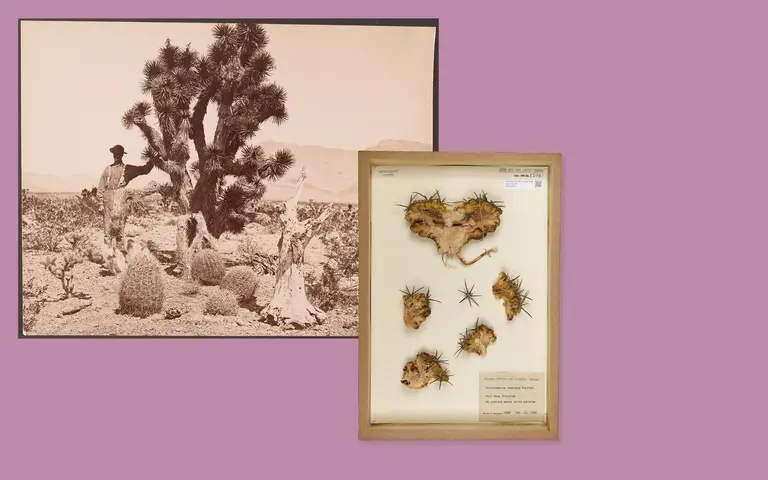
The image features a historic photo of a man standing near a large Joshua tree in a desert landscape. In the foreground, there is a display shadow box containing various preserved plant specimens, showcasing different textures and formations. The background has a muted tone to emphasize the main subjects.
© KHM-Museumsverband, Weltmuseum Wien (left); © Naturhistorisches Museum Wien (right)
About the Exhibition

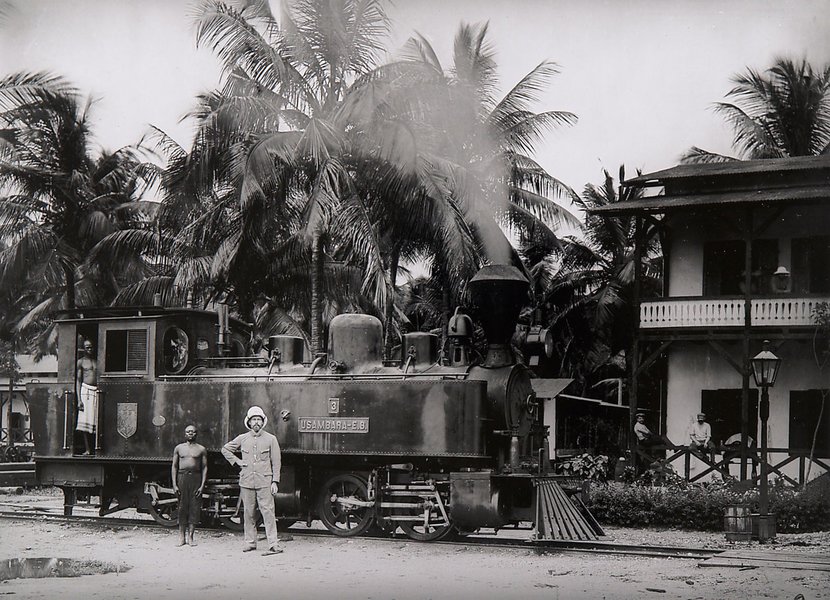
Among the plants presented in the exhibition is the Norfolk Pine (Araucaria), which had been discovered on Norfolk Island during James Cook’s second voyage in 1774. The history of the African violet is intertwined with a German colonial expedition in 1886, an object from which is now in the Weltmuseum Wien collection. Geraniums (Pelargonia), a popular choice for our flower boxes, hail from South Africa, where they are used for medicinal purposes. This example illustrates the exploitation of the countries of origin, which do not profit from the commercialization of their domestic flora. International agreements such as the UN Convention on Biological Diversity (CBD) are meant to establish safeguards and rules for including nations of origin in Western profits and to broach the issue of biopiracy, also in light of climate change.

The exhibition takes place in the participative space zam and provides free and easy access, offering a playful approach to complex matters.

Address

zam (WMW)
Heldenplatz, 1010 Vienna
Google Maps

Opening times

Daily (except Monday)
10 am to 6 pm
Tuesday
10 am to 9 pm

further visit information

Free admission

Our participative room zam can be accessed for free.

Exhibition programme A wide-ranging programme awaits you

Further exhibitions