Hacha or marker
ca. 600-900 | k. k. Münz- und Antikenkabinett
This sculpture made of green stone depicts a turkey fanning out its tail. Besides dogs and bees, turkeys were the only domesticated animals in pre-Spanish Mesoamerica, where they were an important source of food. Turkey meat was also included in sacrifices offered to the gods. Note the realistic, three-dimensional rendering of the bird‘s head with its characteristic comb hanging on one side. This sculpture is connected with the Mesoamerican ball game. It served as a hacha, that is the stomach protection of a player participating in the ball game. It remains unclear if players actually wore stone sculptures like this one, or if they are only ceremonial copies of stomach protections made of a lighter material.
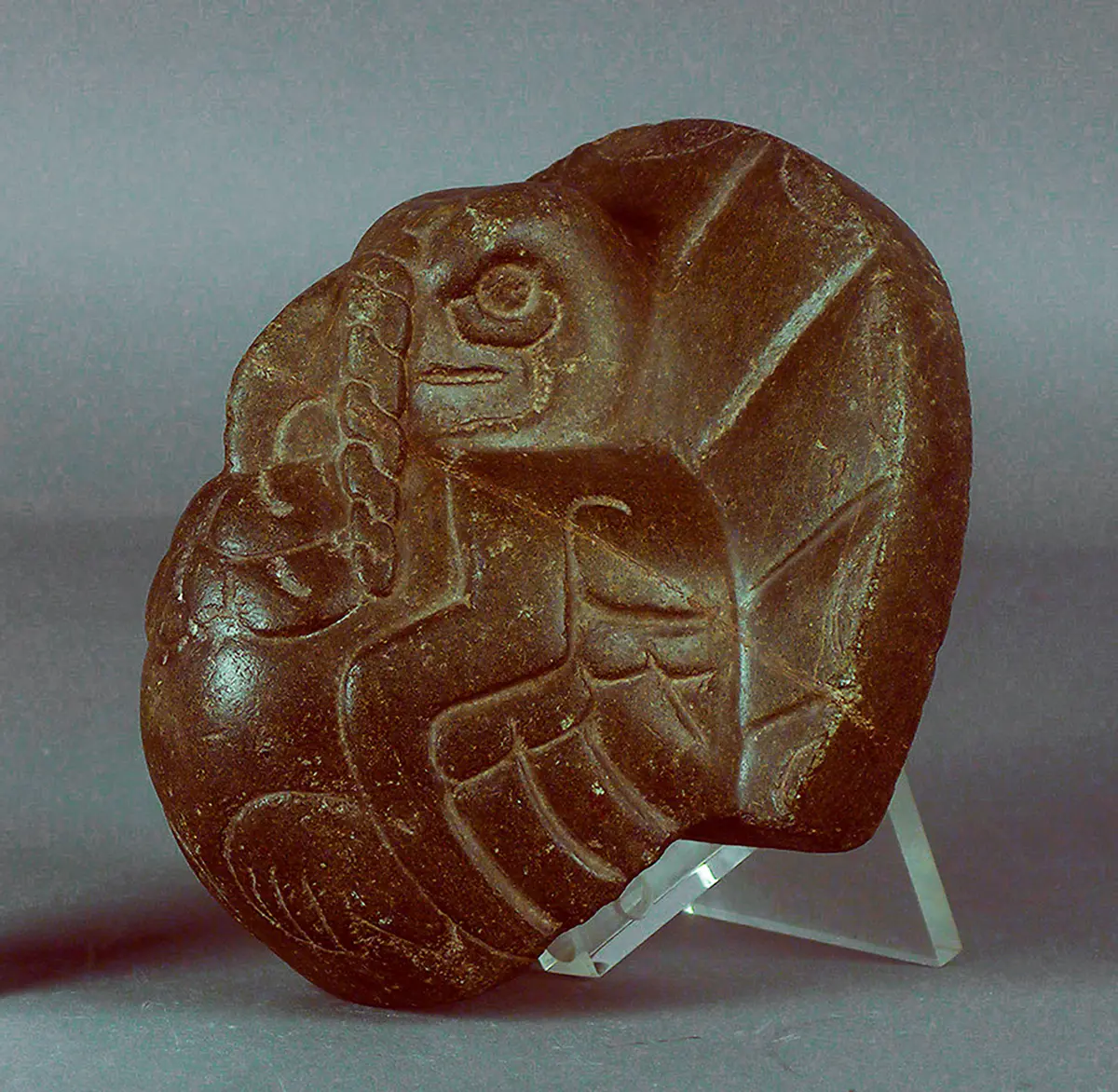
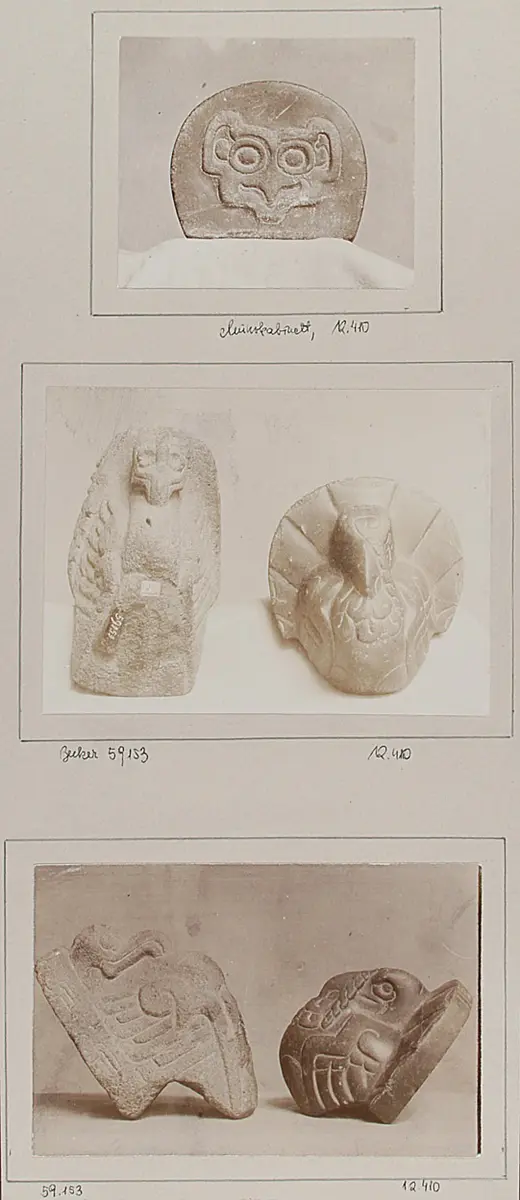
This sculpture made of green stone depicts a turkey fanning out its tail. Besides dogs and bees, turkeys were the only domesticated animals in pre-Spanish Mesoamerica, where they were an important source of food. Turkey meat was also included in sacrifices offered to the gods. Note the realistic, three-dimensional rendering of the bird‘s head with its characteristic comb hanging on one side. This sculpture is connected with the Mesoamerican ball game. It served as a hacha, that is the stomach protection of a player participating in the ball game. It remains unclear if players actually wore stone sculptures like this one, or if they are only ceremonial copies of stomach protections made of a lighter material.
Collection:
k. k. Münz- und Antikenkabinett
Collection:
Maximilian Sohn des Franz Karl Joseph von Habsburg Österreich Kaiser von Mexiko (1832 Wien - 1867 Querétaro (Mexiko)) DNB
Time:
ca. 600-900
Entry Date:
1881
Object Name
Hacha or marker
Culture
Mexiko
Material/technology:
Stone
Copyright
Weltmuseum Wien
Collection area
North and Central America
Invs.
12410
Browse more Similar items you might be interested in
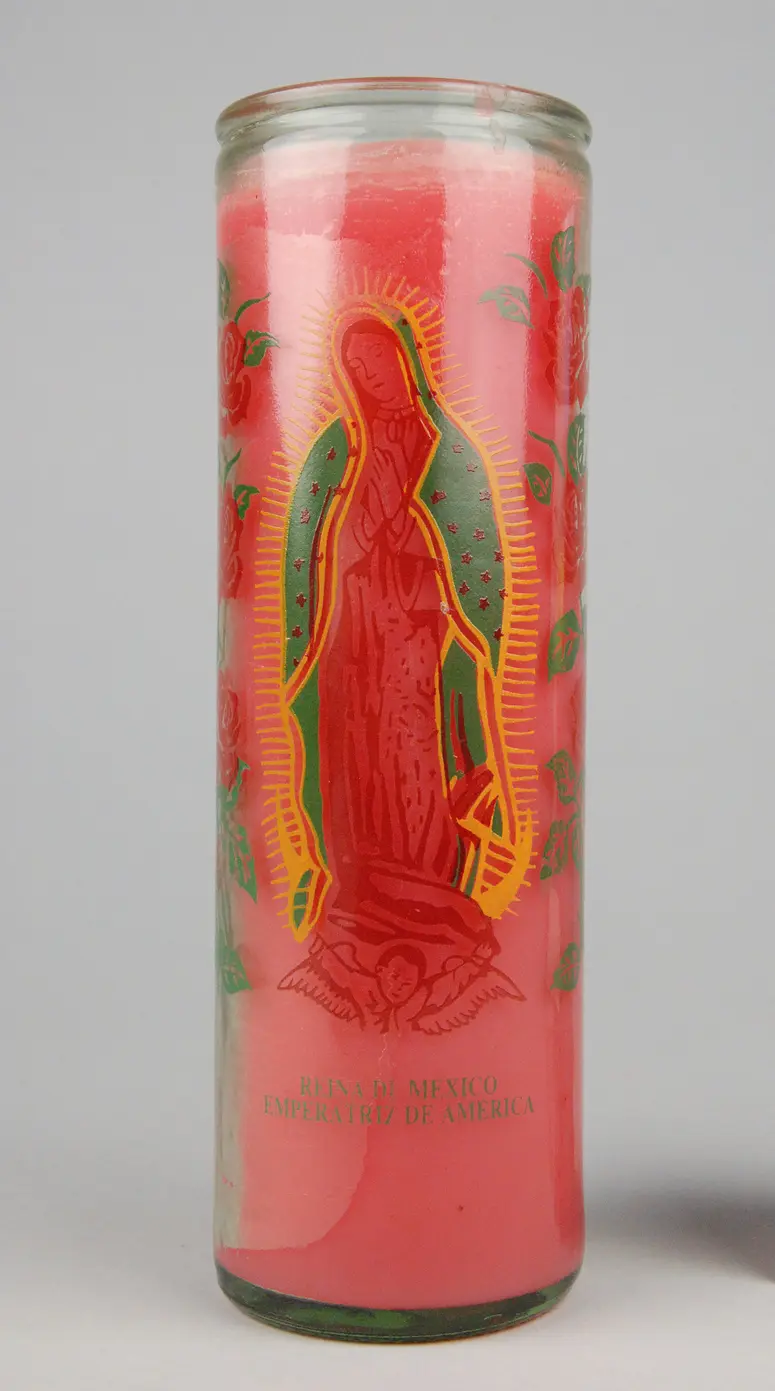
Candle with image of Mary. "Queen of Mexico, Empress of America" Gerard van Bussel 1999
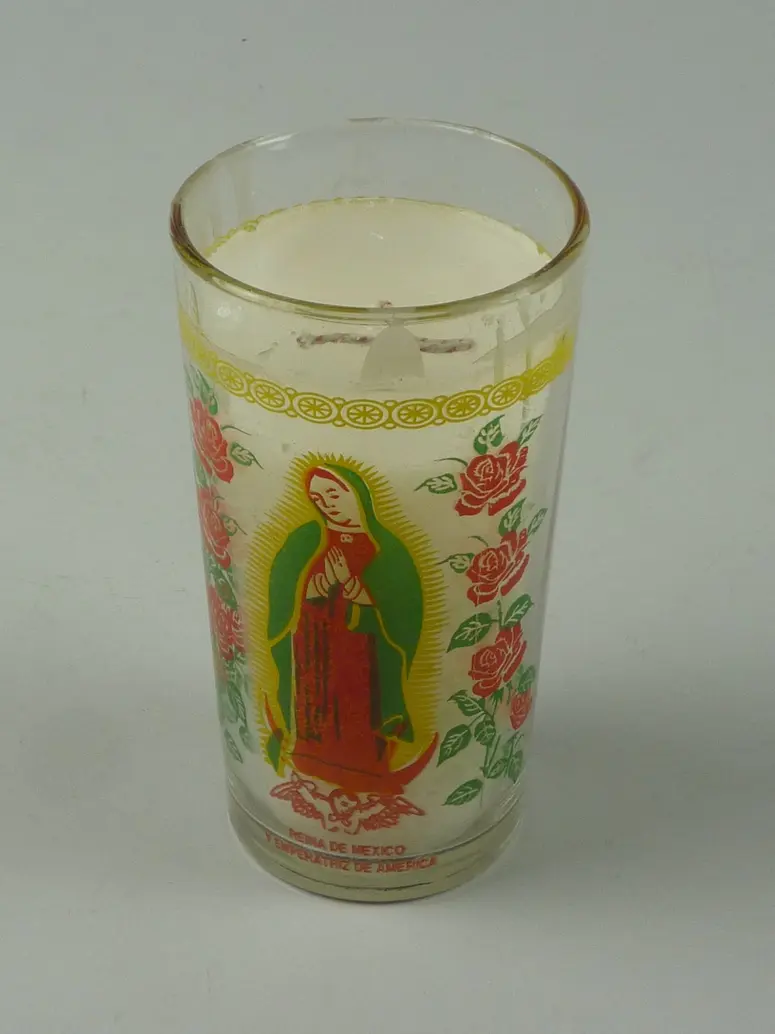
Candle with image of Mary. "Queen of Mexico, Empress of America" Gerard van Bussel 1999
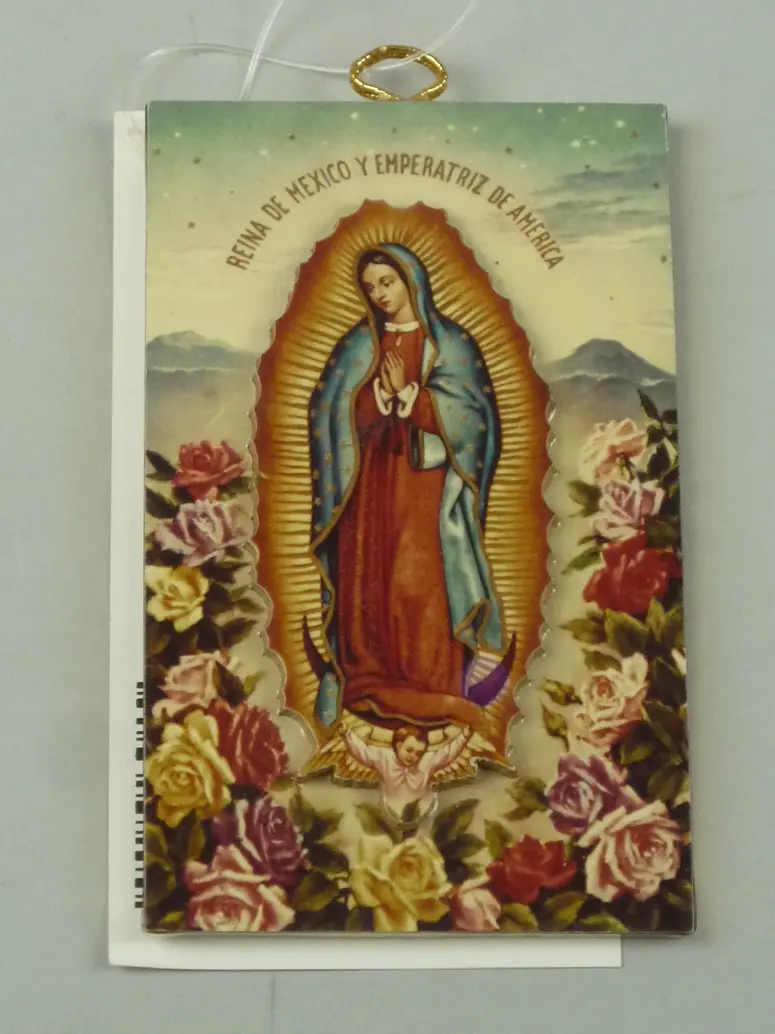
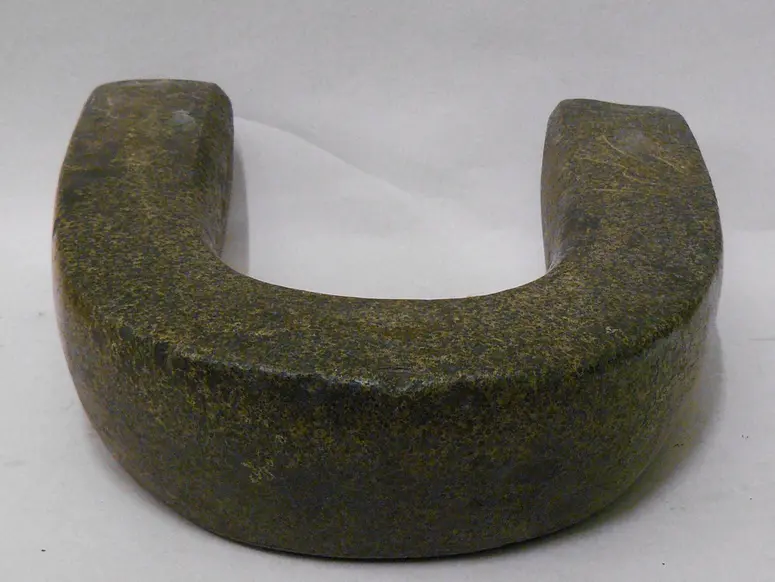

Plate with an image of the founding myth of Mexico City Internationale Keramikausstellung, Gmunden 1959