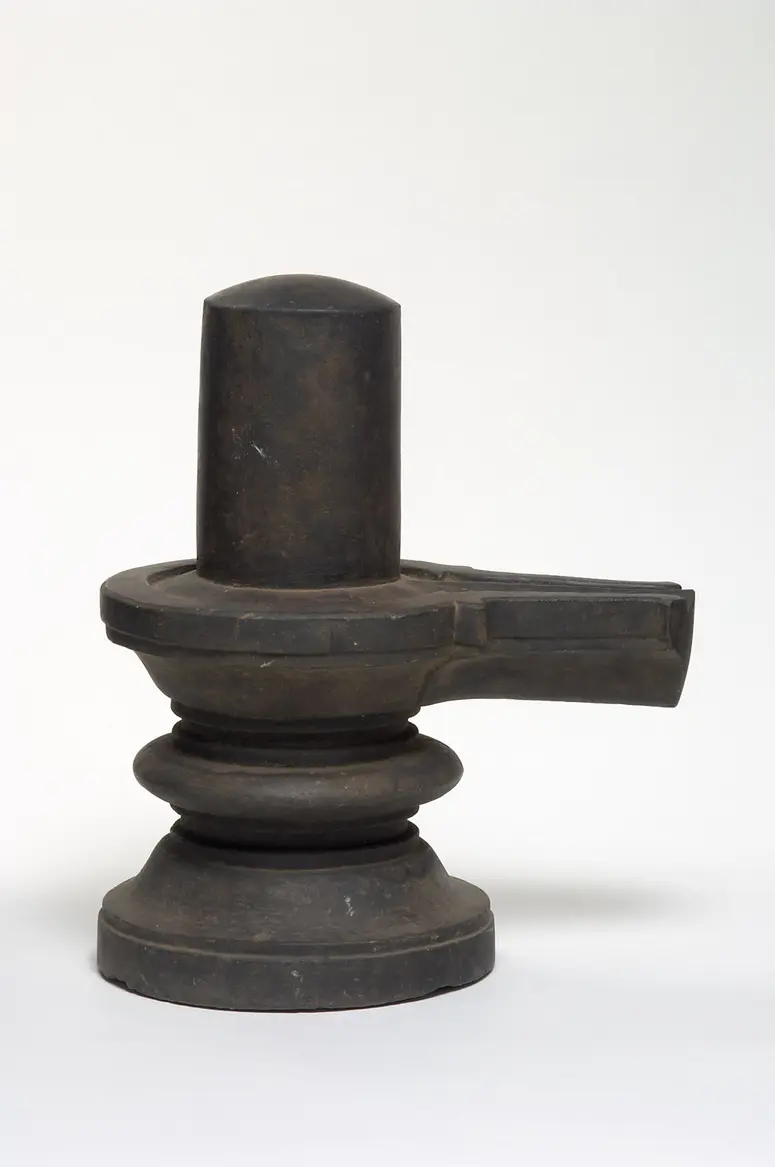
Lingam Yoni
18th century | Franz Ferdinand von Österreich-Este
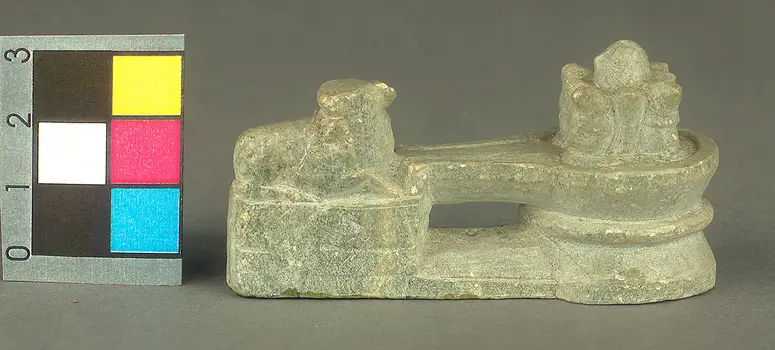
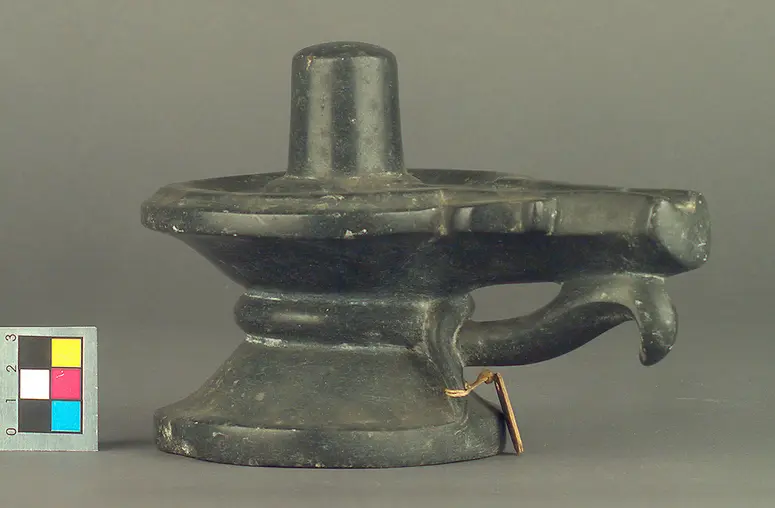
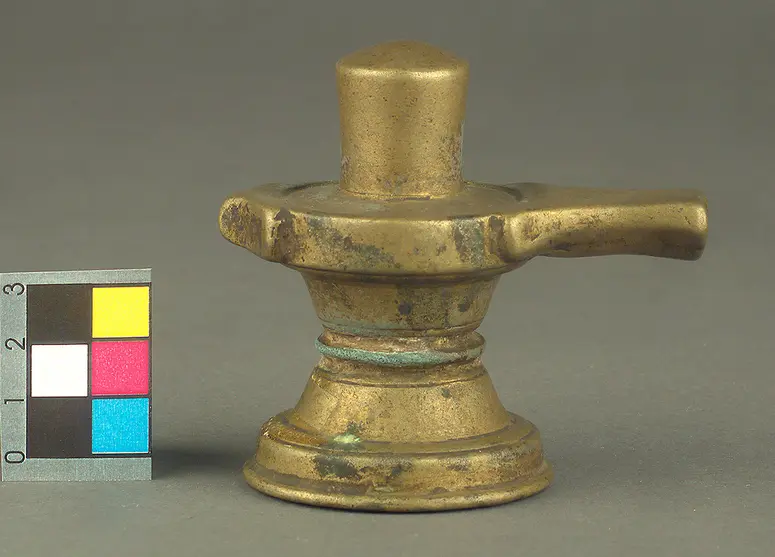
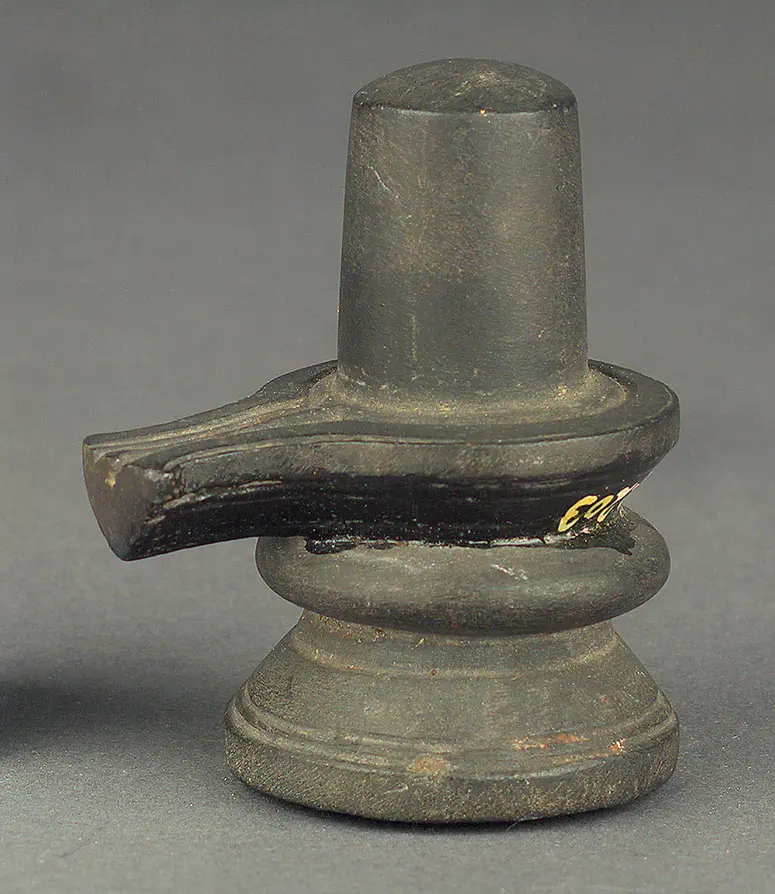
Lingam and yoni stand for the principle of oppositeness that determines the everyday perception of our world of appearances. The union of the two leads to the realization of the oneness of all phenomena. The snake around the phallic symbol represents the goal of freeing the human mind from its limitations and harmful thinking in categories - such as male or female, divine or human.
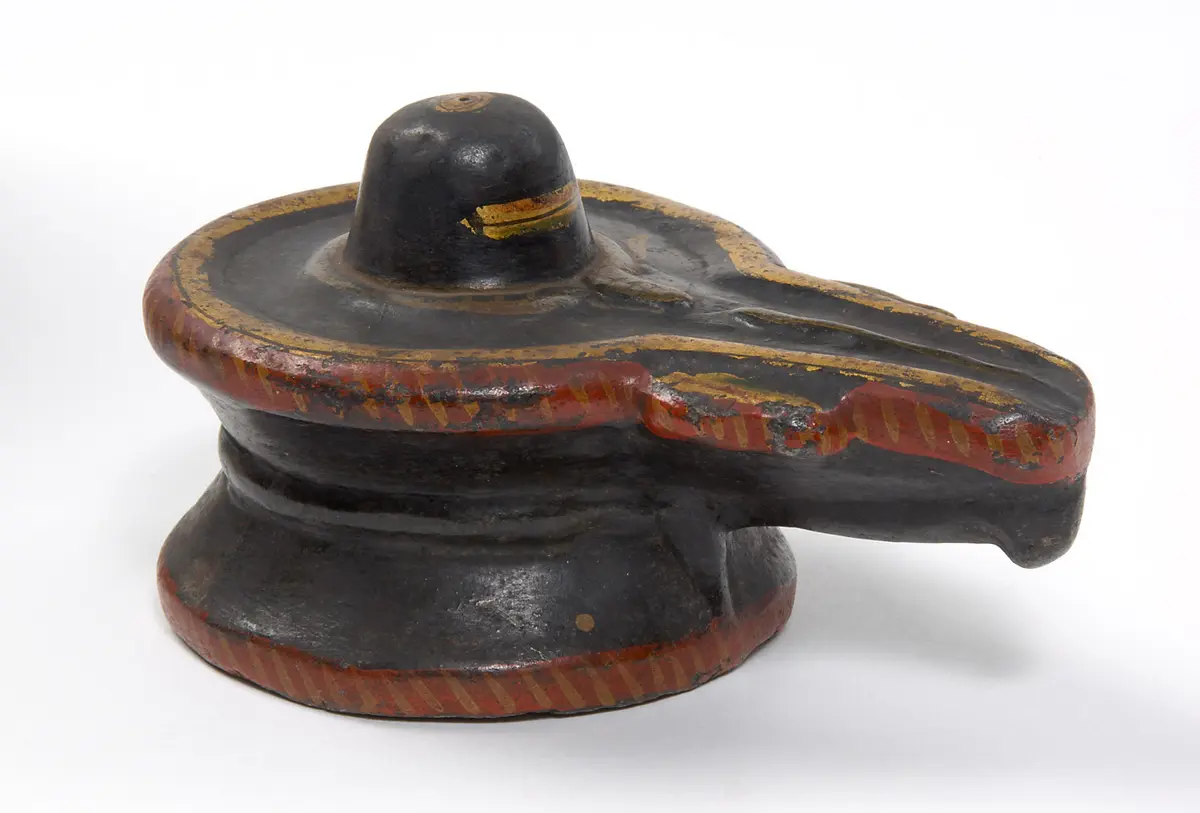
Lingam and yoni stand for the principle of oppositeness that determines the everyday perception of our world of appearances. The union of the two leads to the realization of the oneness of all phenomena. The snake around the phallic symbol represents the goal of freeing the human mind from its limitations and harmful thinking in categories - such as male or female, divine or human.
Collection:
Franz Ferdinand von Österreich-Este (1863 Graz - 1914 Sarajevo) DNB
Time:
18th century
Object Name
Linga yoni
Material/technology:
Stone, pigment
Copyright
Weltmuseum Wien
Collection area
South Asia, Southeast Asia, Himalayas
Geography
Südasien/Subkontinent/Indien
Invs.
102197
Browse more Similar items you might be interested in
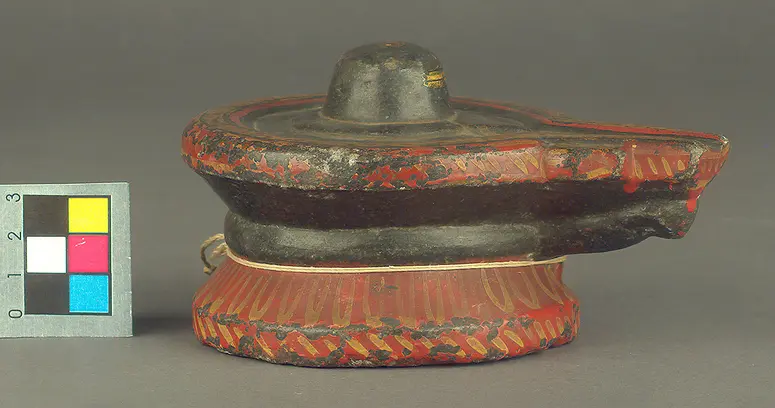
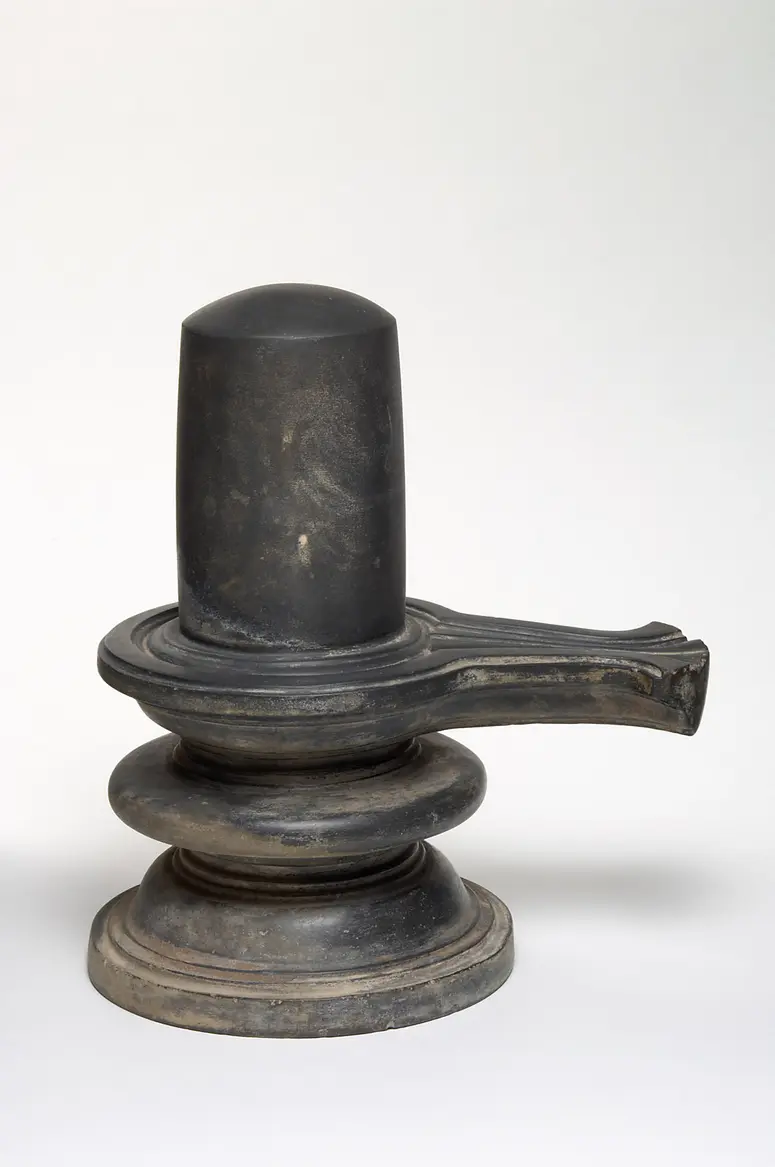
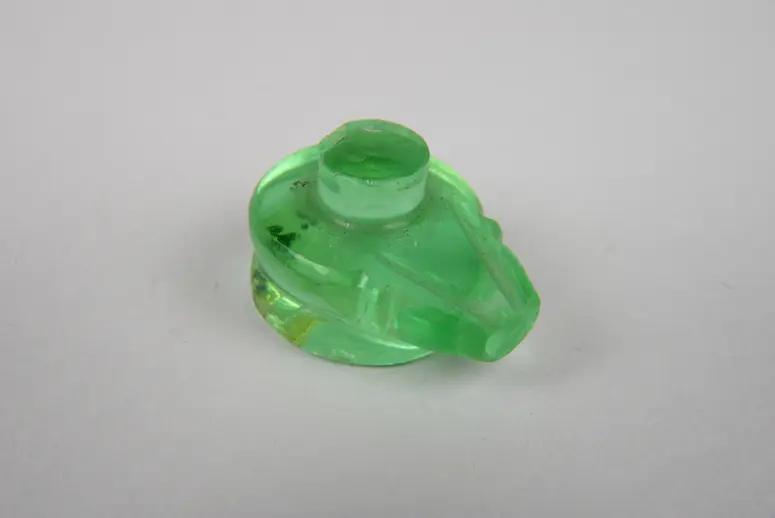
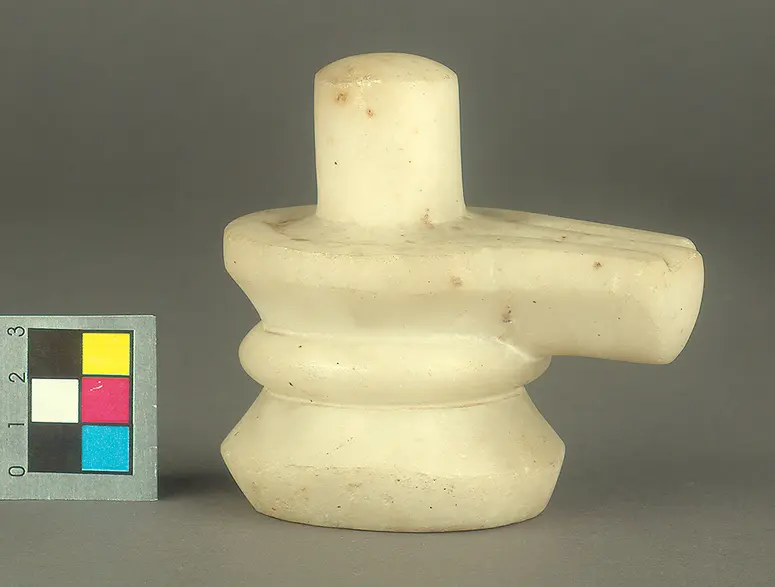
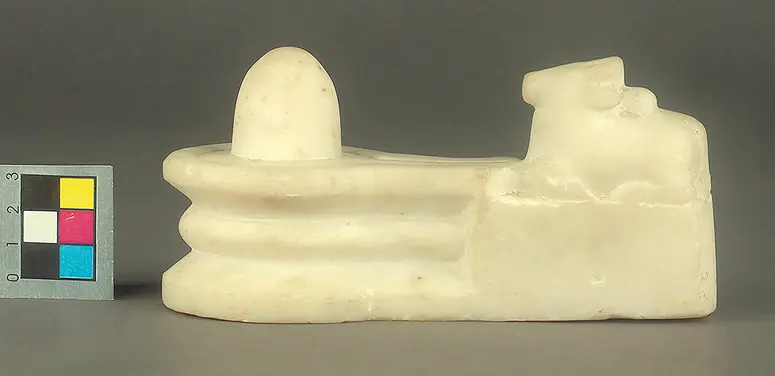
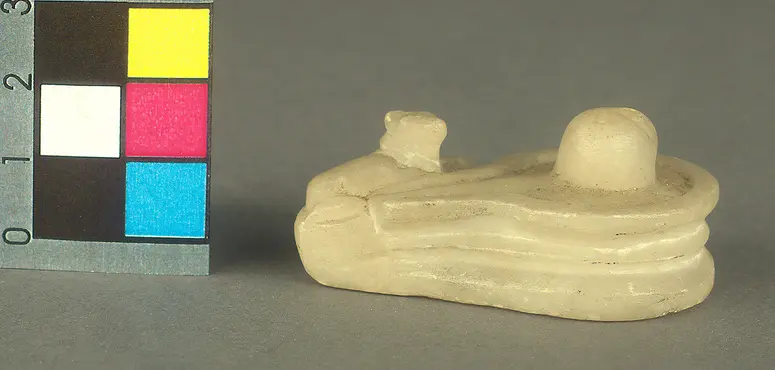
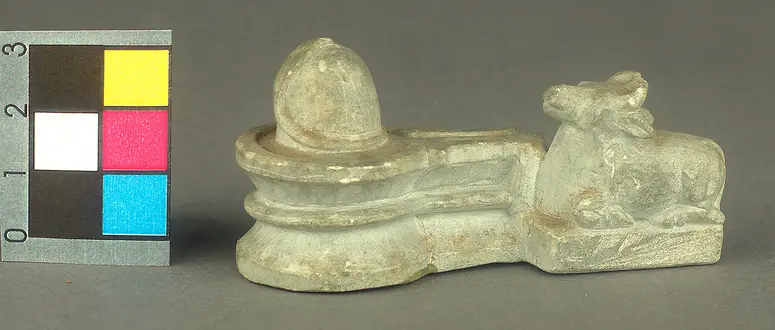
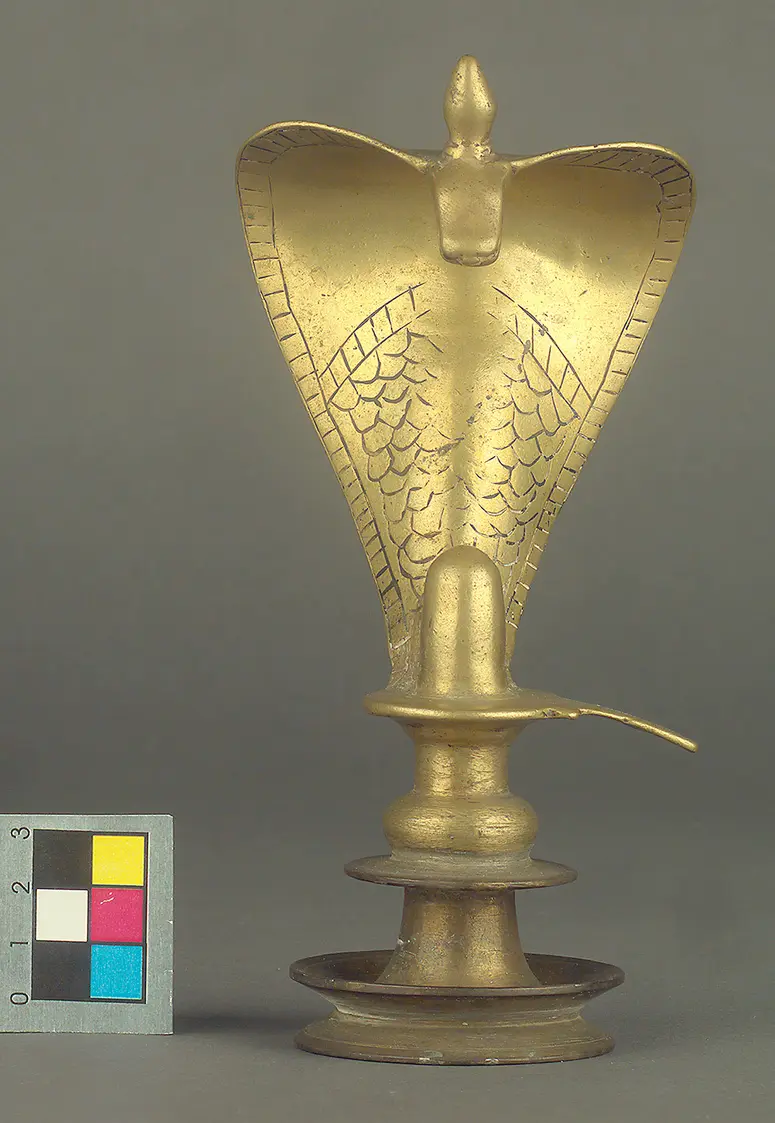
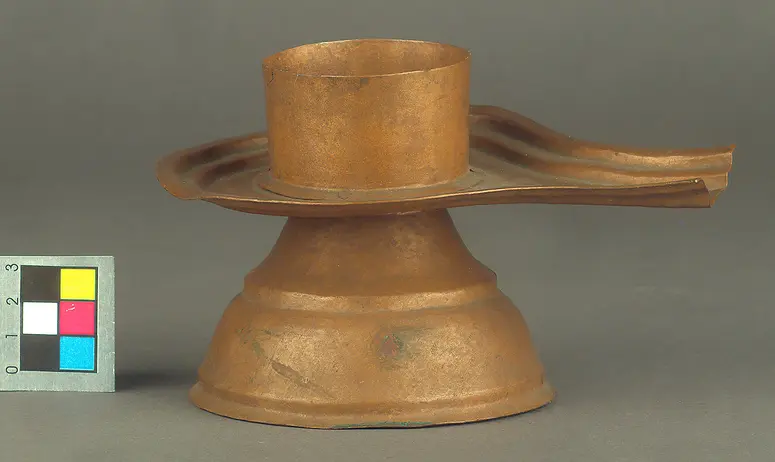
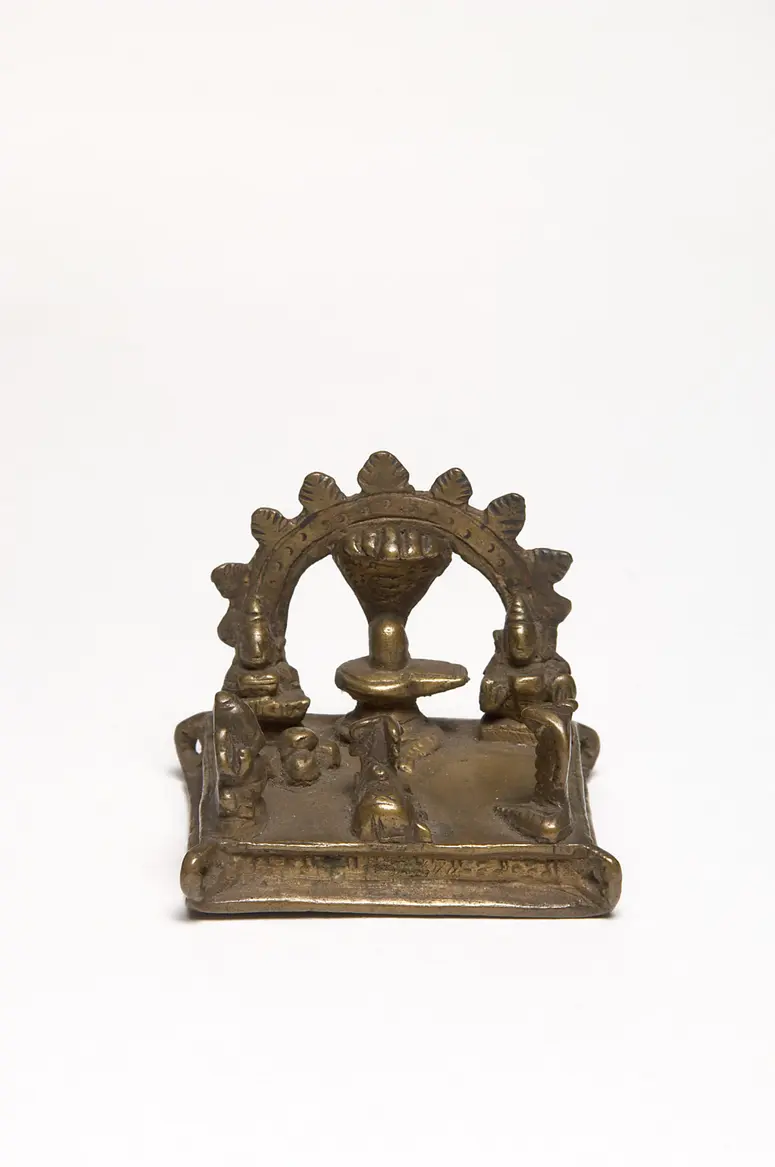
Linga yoni Franz Ferdinand von Österreich-Este 1893 or earlier

Linga yoni Franz Ferdinand von Österreich-Este 1893 or earlier
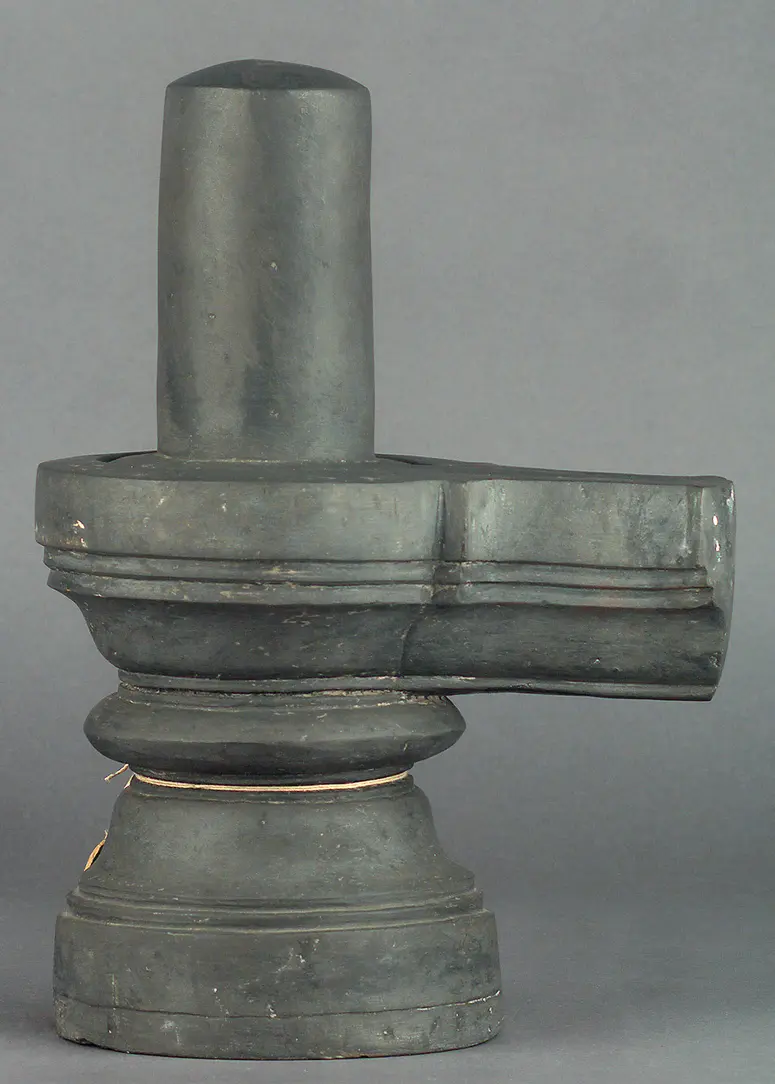
Linga yoni Franz Ferdinand von Österreich-Este 1893 or earlier
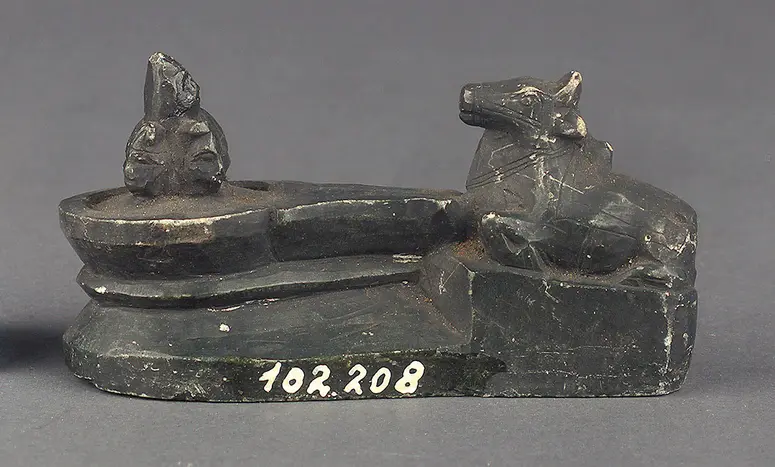
Linga yoni Franz Ferdinand von Österreich-Este 1893 or earlier
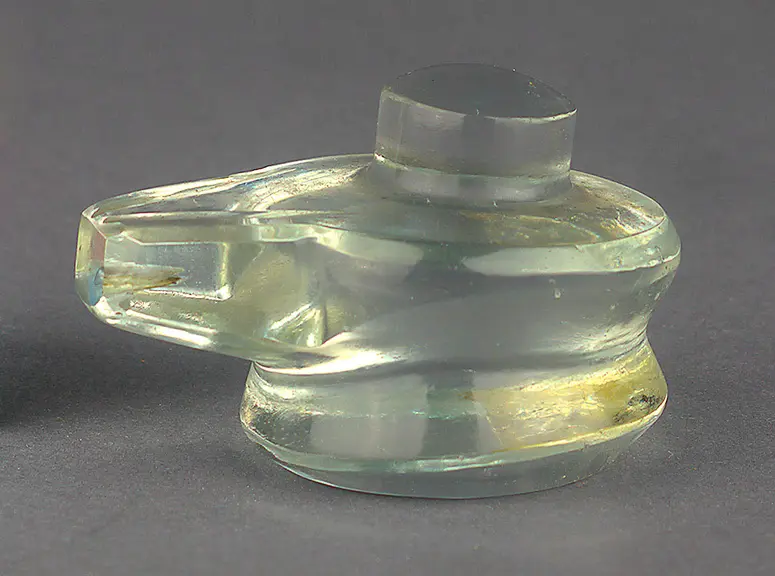
Linga yoni Franz Ferdinand von Österreich-Este 1893 or earlier
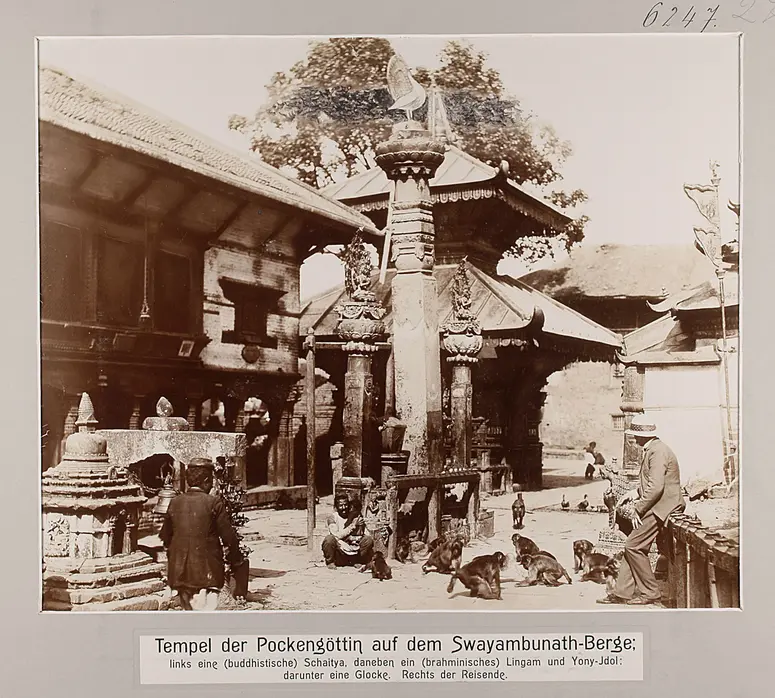
Tempel der Pockengöttin auf dem Swayambunath-Berge; links eine (buddhistische) Schaitya, daneben ein (brahminisches) Lingam und Yony-Idol; darunter eine Glocke. Rechts der Reisende Kurt Boeck 1898