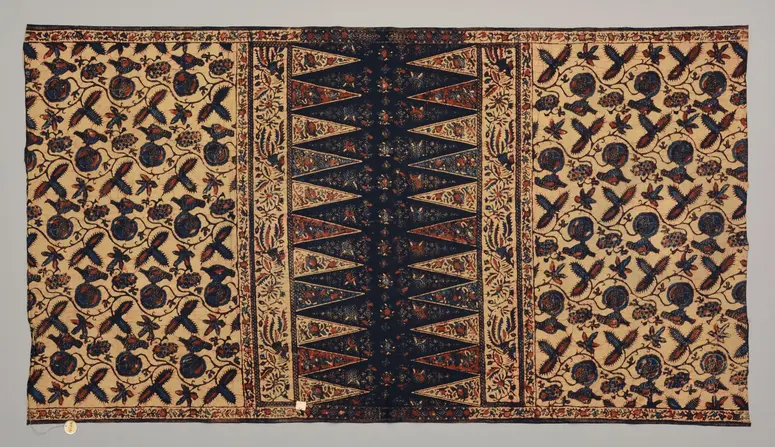
Sarong
Sarong
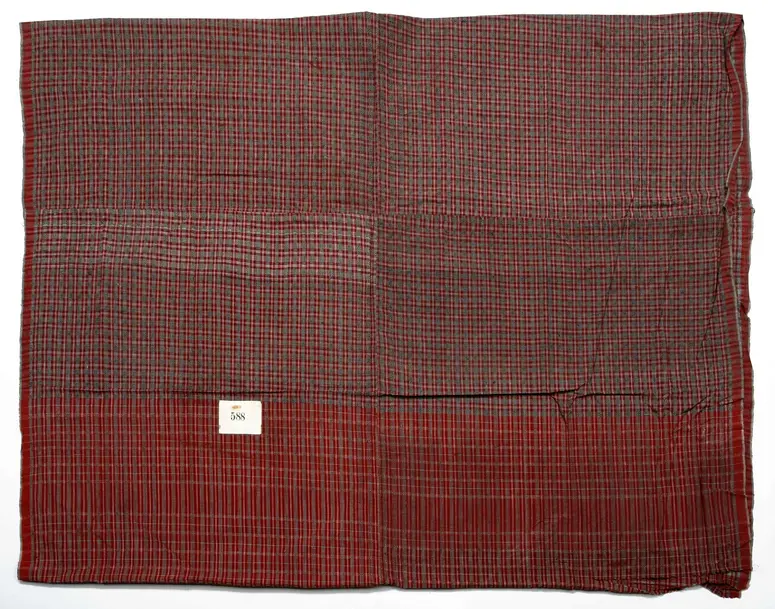
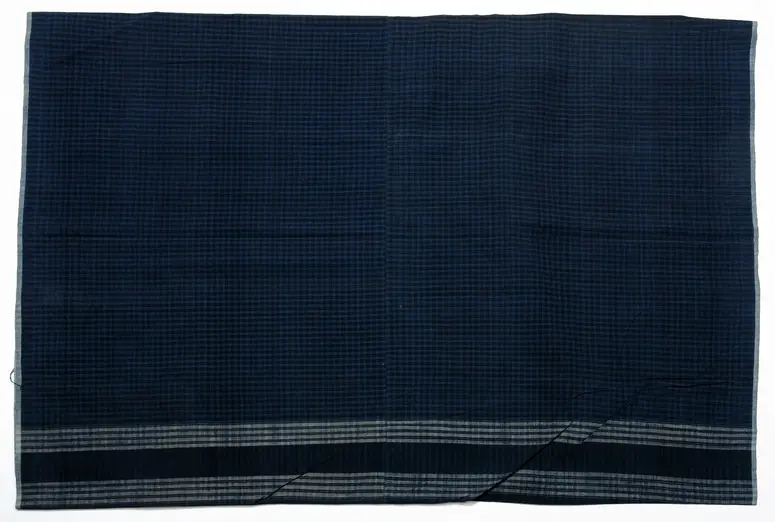
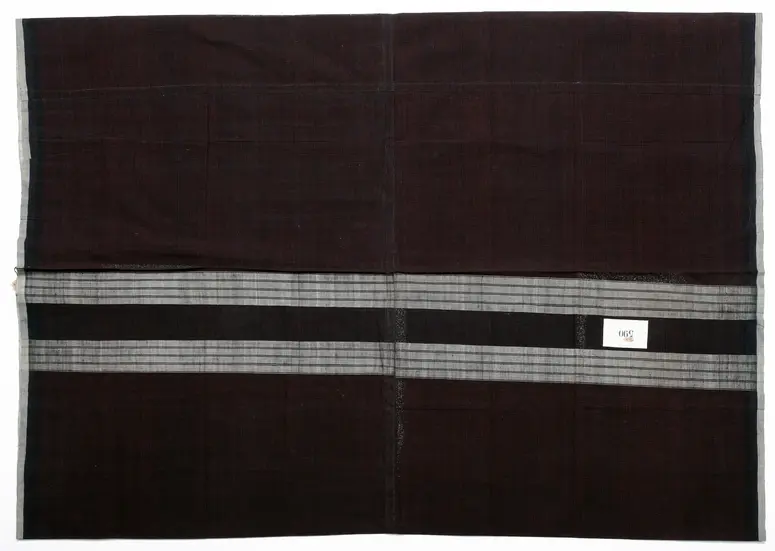
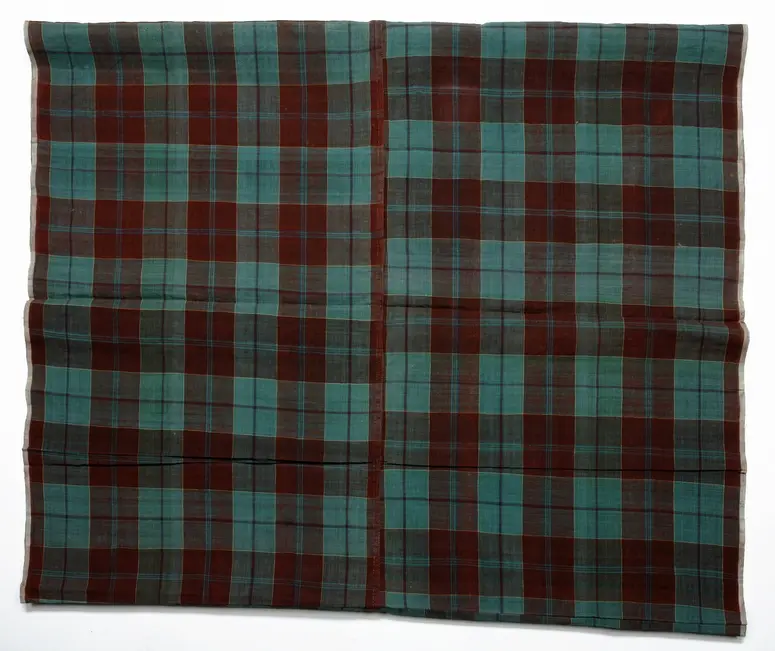
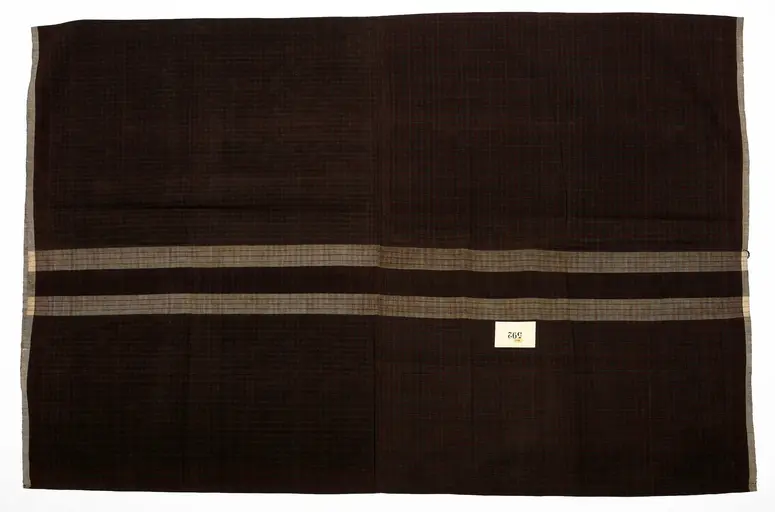
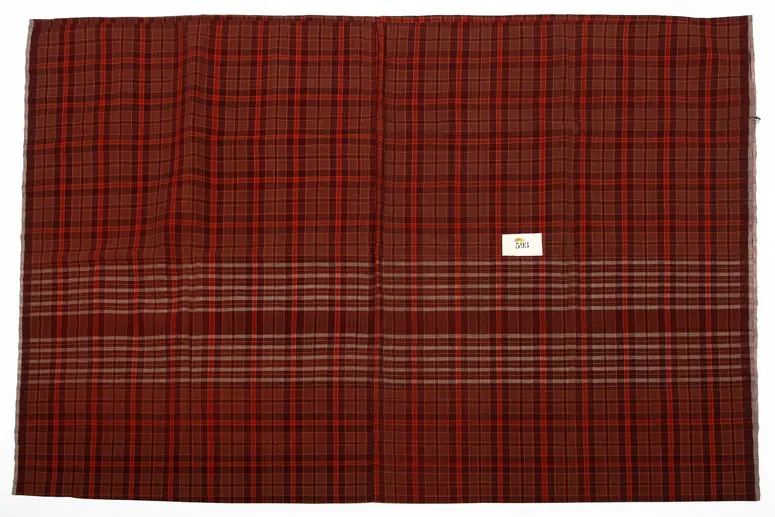
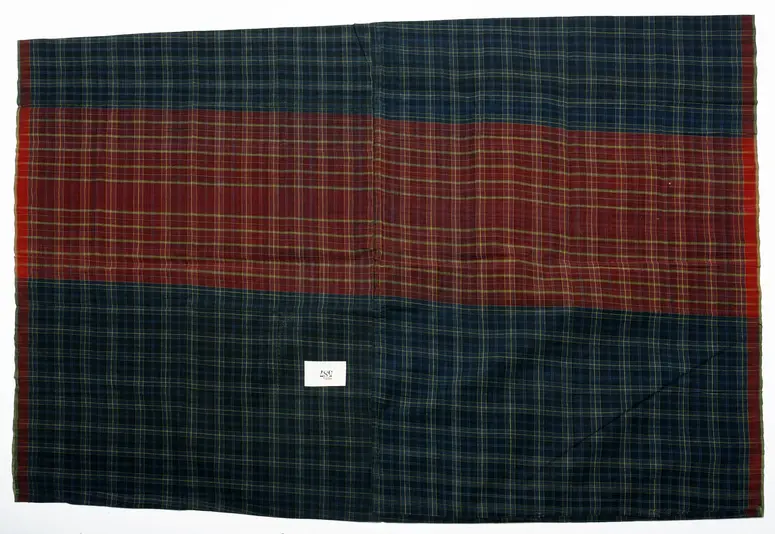
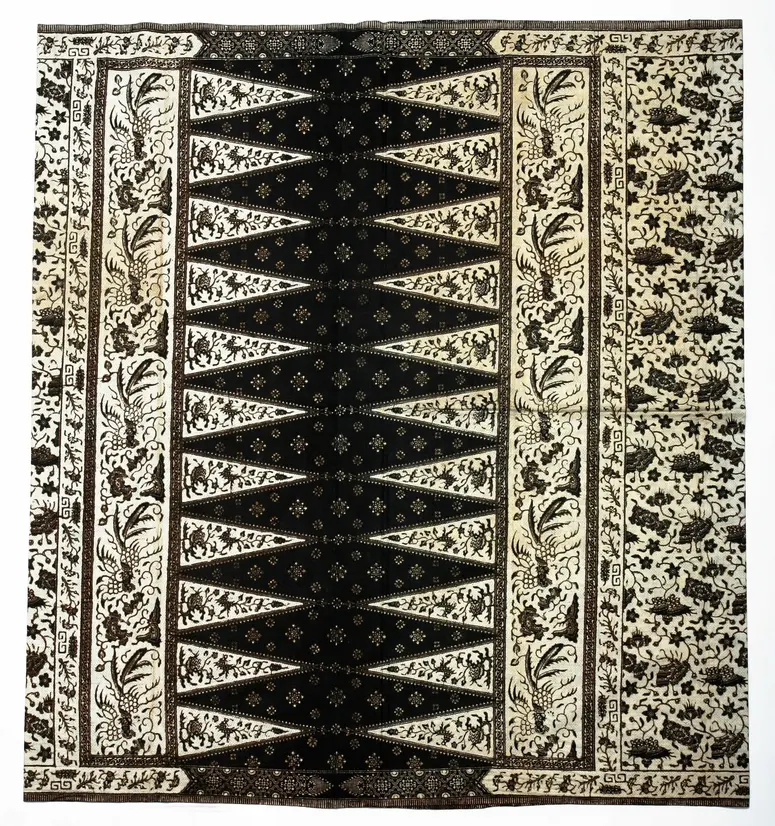
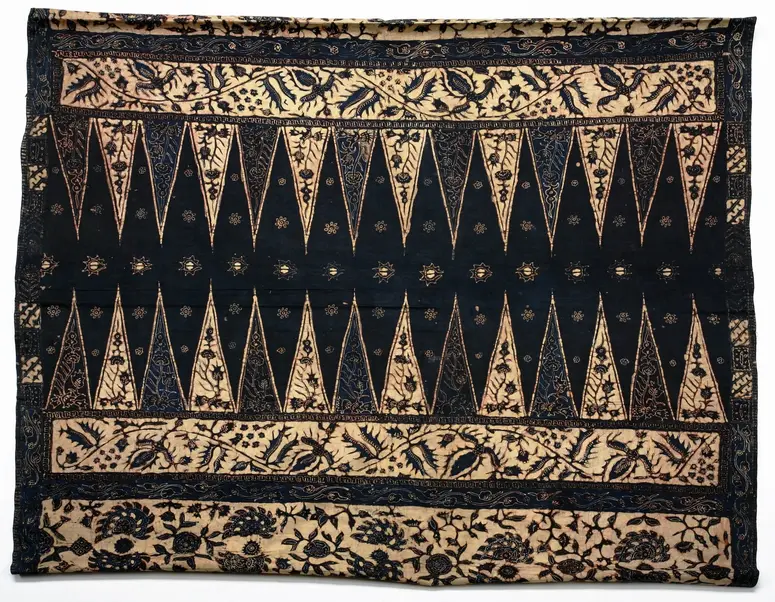
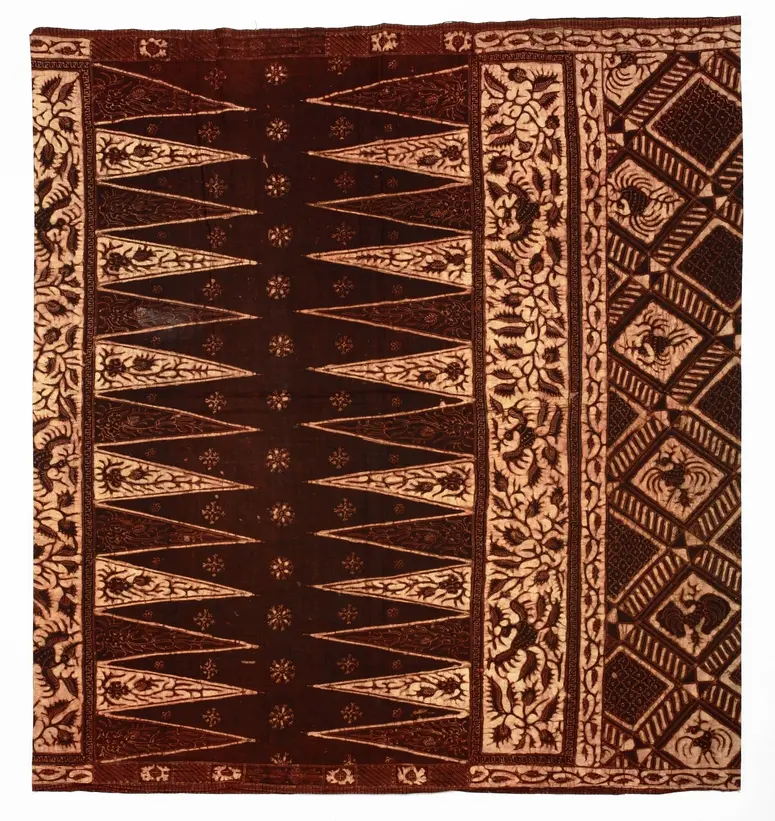
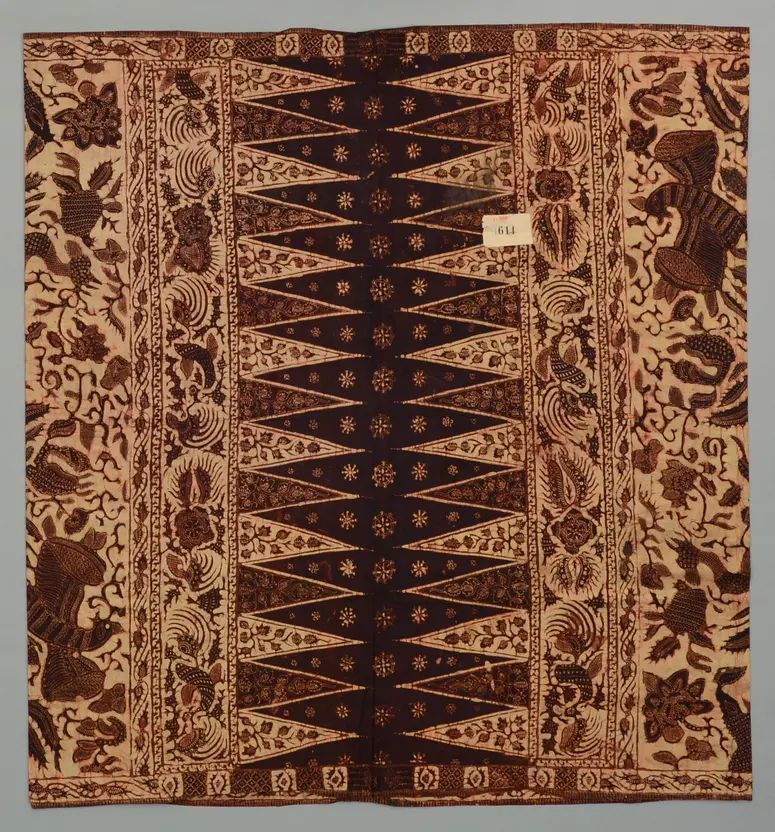
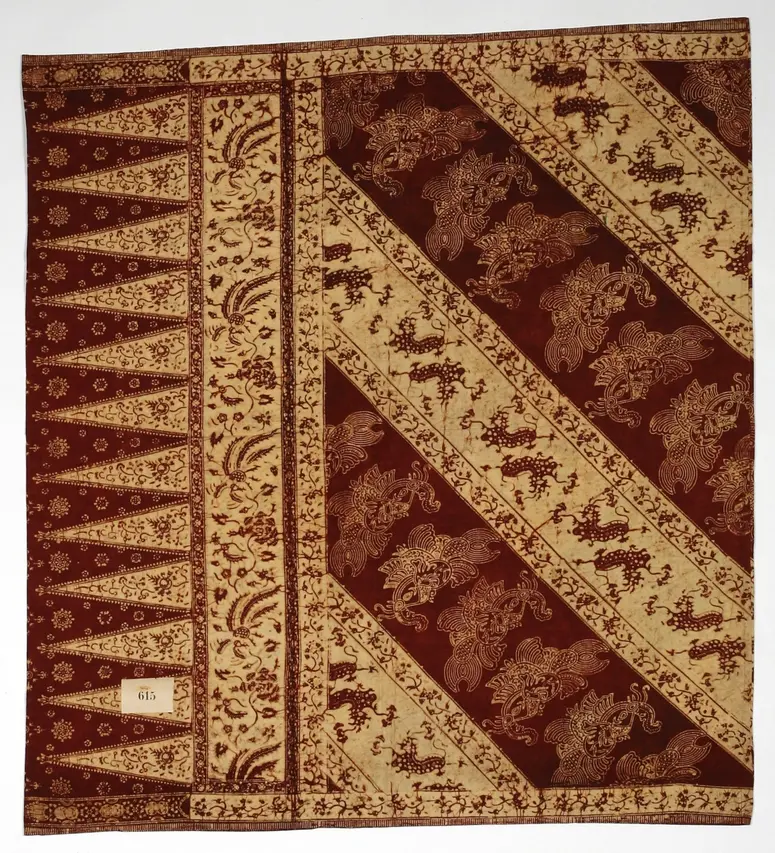
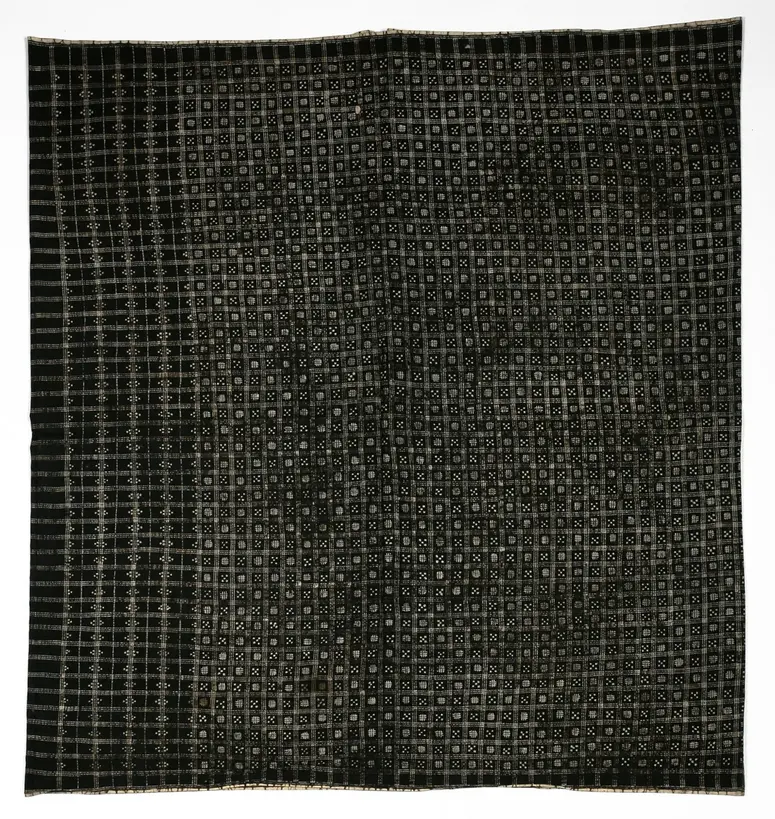
Note: The following text is taken from a 19th-century collection catalog and, in its language and perspective, partially reflects colonial thought patterns. We present the text in its original version to make the collection's history transparent and promote a critical examination of the colonial legacy. Certain terms and formulations may be perceived as problematic today. A 2009 research project concluded that most descriptions are factually correct and still usable; only a few details were found to be inaccurate or incorrect. The results of this project were published in the following collection catalog: khm-wmw-tm-library.on.worldcat.org/oclc/1457155265"586 - 594. Skirts - "Sarongs"These sarongs are made by the Sundanese women in such numbers that they are brought to market all over West Java at the large places. They are bought there by native women who are either servants for Europeans or have the kind of work in the big cities so that they are not able to weave themselves. The sarongs are made of an excellent, durable fabric but it is very narrow. For a sarong, two pieces must be sewn together along their long sides so that the double width then produces the length of the sarong, while the length of the fabric amounts to its width, as was the case for the Buginese sarongs. The fabric of these sarongs have different colors: blue, red, brown, gray, green; they all have very pretty, mostly striped, designs or nice plaids. The heads, "kapalas" of these sarongs are distinguished by broad, length-wise stripes and especially painstaking work. The women understand how to weave the most diverse designs so that nearly every sarong has a different design. All are pretty and tastefully executed. Just as tasteful and correct is the color combination. As with all the other sarongs, there is a difference between the smooth part, which is mostly simple in color, with only some few stripes and a faint design, and the head-part, "kapala", about one meter wide, more or less richly worked. Also here the women wear the sarong wound in such a way about their bodies that the head part is on the left side. It is worn by men and women, the former in the manner already described, half folded over around the middle or thrown over the upper body like a coat. The Sundanese sarong is wider and larger than the Javanese, it makes a similar set of folds to those we have seen with the Buginese. And the women know how to cover their upper bodies, similar to the Buginese, in a picturesque way."Translation of: Czurda, F. A. J. (1883). Catalog mit Erklärungen der Etnografischen Privatsammlung des Dr. F. A. J. Czurda in Postelberg (Böhmen). (p. 149-150). Wien, Wilhelm Braumüller
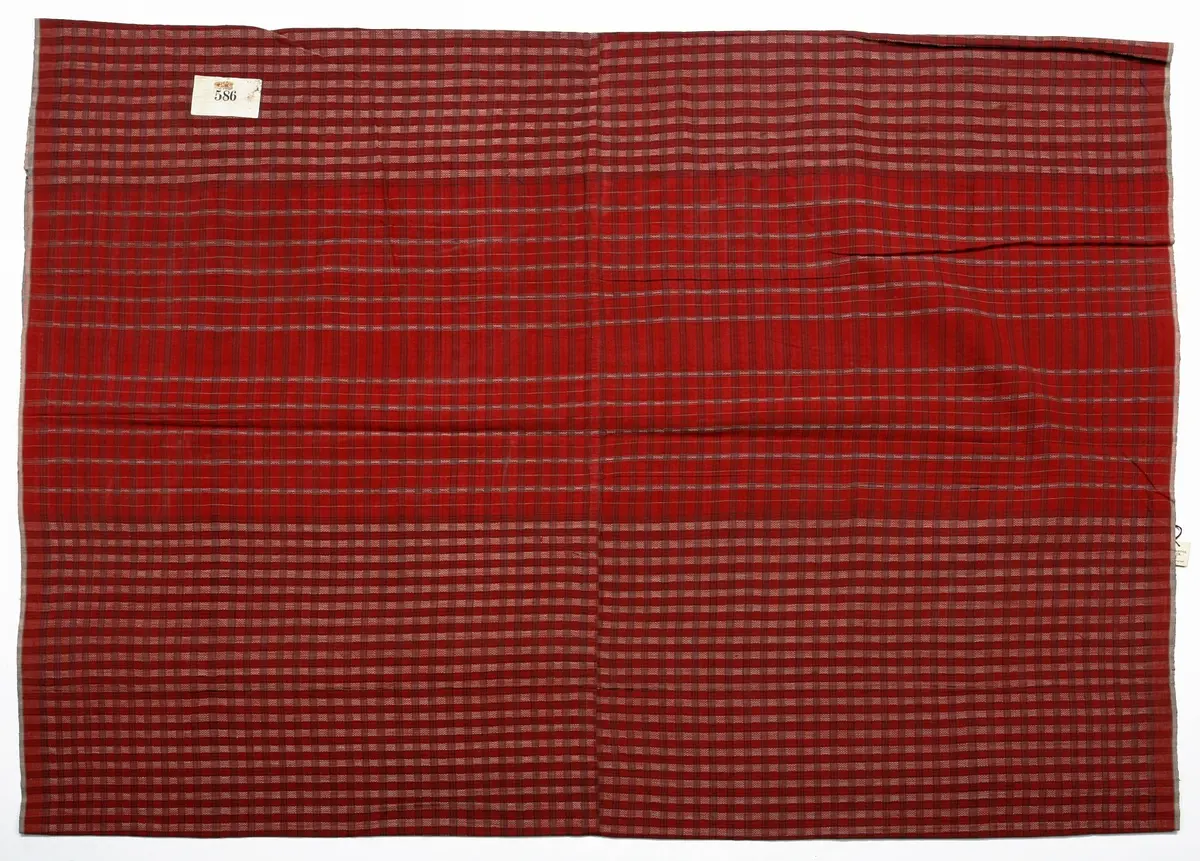
Note: The following text is taken from a 19th-century collection catalog and, in its language and perspective, partially reflects colonial thought patterns. We present the text in its original version to make the collection's history transparent and promote a critical examination of the colonial legacy. Certain terms and formulations may be perceived as problematic today. A 2009 research project concluded that most descriptions are factually correct and still usable; only a few details were found to be inaccurate or incorrect. The results of this project were published in the following collection catalog: khm-wmw-tm-library.on.worldcat.org/oclc/1457155265"586 - 594. Skirts - "Sarongs"These sarongs are made by the Sundanese women in such numbers that they are brought to market all over West Java at the large places. They are bought there by native women who are either servants for Europeans or have the kind of work in the big cities so that they are not able to weave themselves. The sarongs are made of an excellent, durable fabric but it is very narrow. For a sarong, two pieces must be sewn together along their long sides so that the double width then produces the length of the sarong, while the length of the fabric amounts to its width, as was the case for the Buginese sarongs. The fabric of these sarongs have different colors: blue, red, brown, gray, green; they all have very pretty, mostly striped, designs or nice plaids. The heads, "kapalas" of these sarongs are distinguished by broad, length-wise stripes and especially painstaking work. The women understand how to weave the most diverse designs so that nearly every sarong has a different design. All are pretty and tastefully executed. Just as tasteful and correct is the color combination. As with all the other sarongs, there is a difference between the smooth part, which is mostly simple in color, with only some few stripes and a faint design, and the head-part, "kapala", about one meter wide, more or less richly worked. Also here the women wear the sarong wound in such a way about their bodies that the head part is on the left side. It is worn by men and women, the former in the manner already described, half folded over around the middle or thrown over the upper body like a coat. The Sundanese sarong is wider and larger than the Javanese, it makes a similar set of folds to those we have seen with the Buginese. And the women know how to cover their upper bodies, similar to the Buginese, in a picturesque way."Translation of: Czurda, F. A. J. (1883). Catalog mit Erklärungen der Etnografischen Privatsammlung des Dr. F. A. J. Czurda in Postelberg (Böhmen). (p. 149-150). Wien, Wilhelm Braumüller
Collector:
František A. J. Czurda (1844 Pisek - 1886 Cirebon) DNB
Entry Date:
1883
Object Name
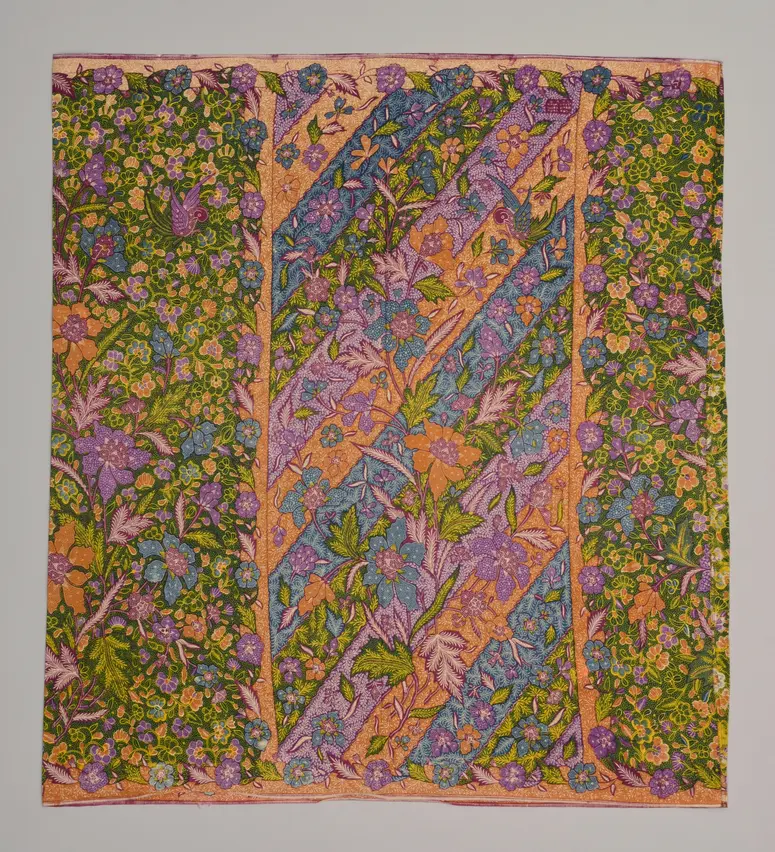
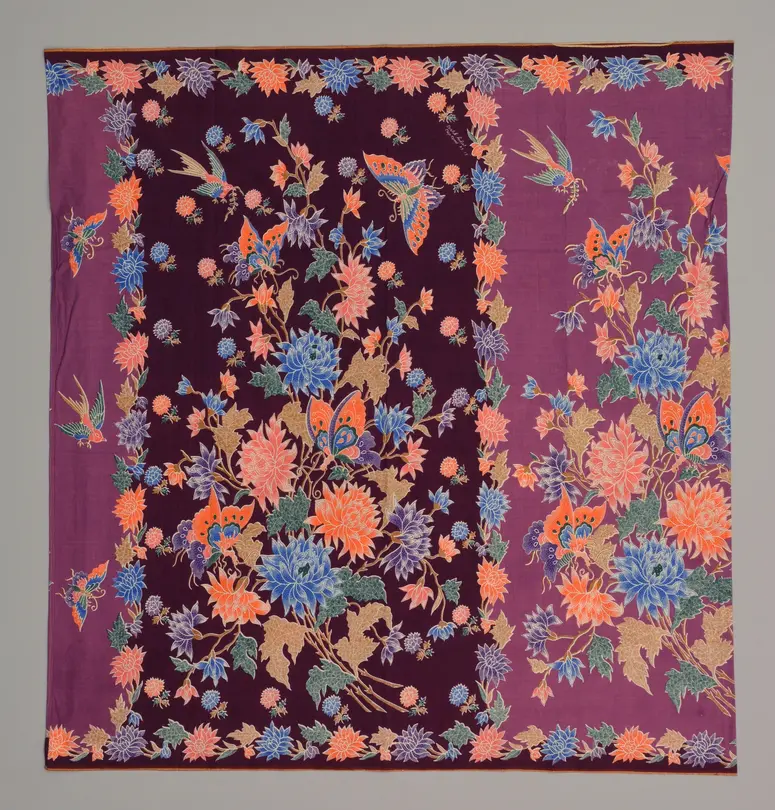
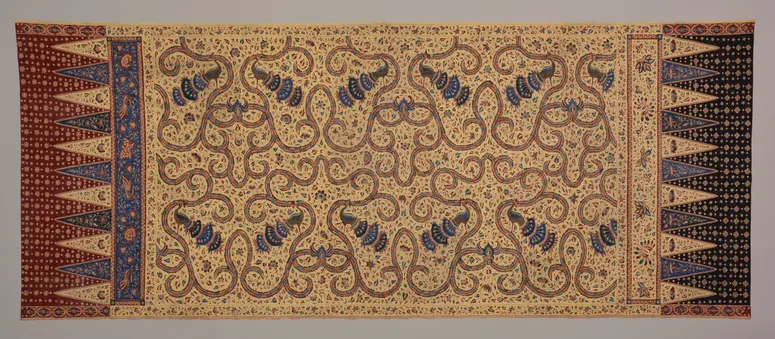
Sarong
Culture
West-Java
Material/technology:
Cotton; plain weave
Copyright
Weltmuseum Wien
Collection area
Insular Southeast Asia
Invs.
18014