Jesus Christus
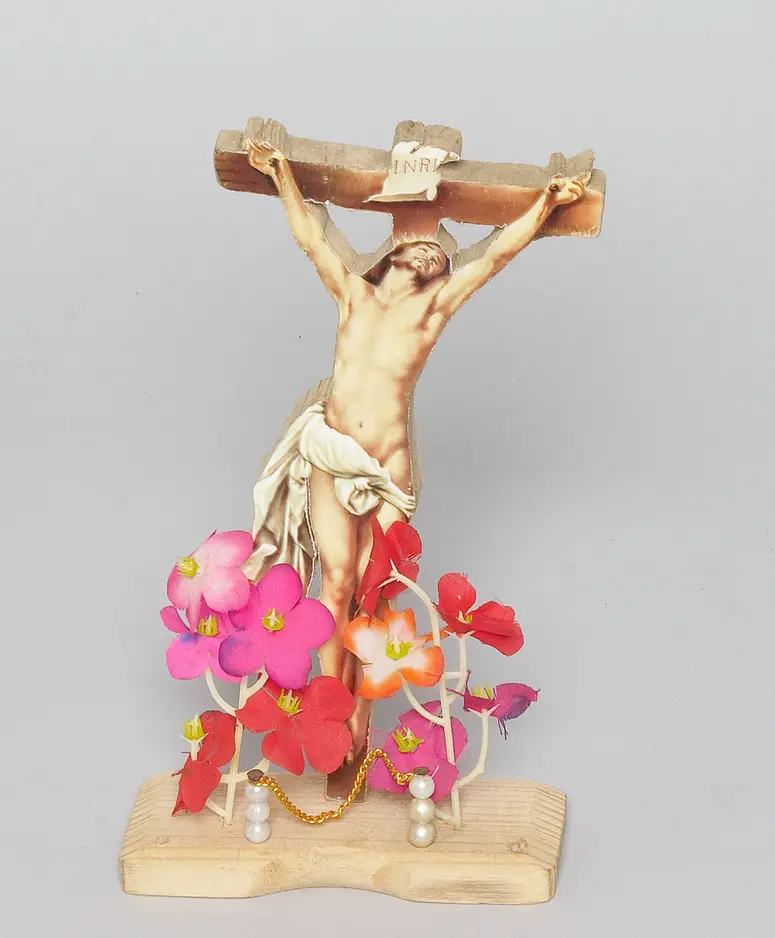
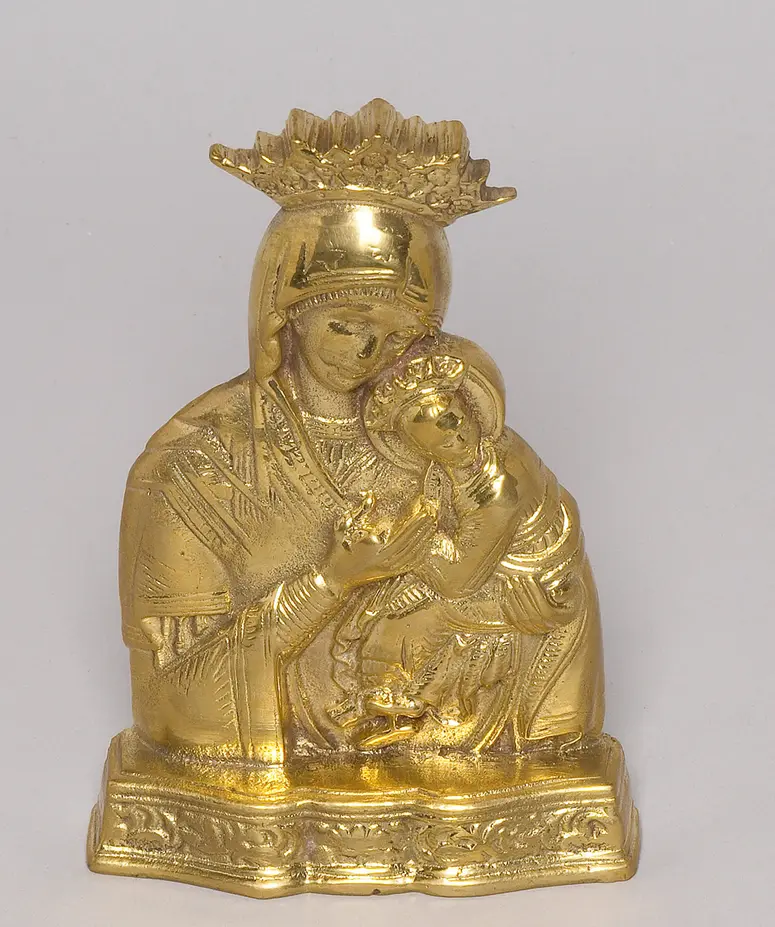
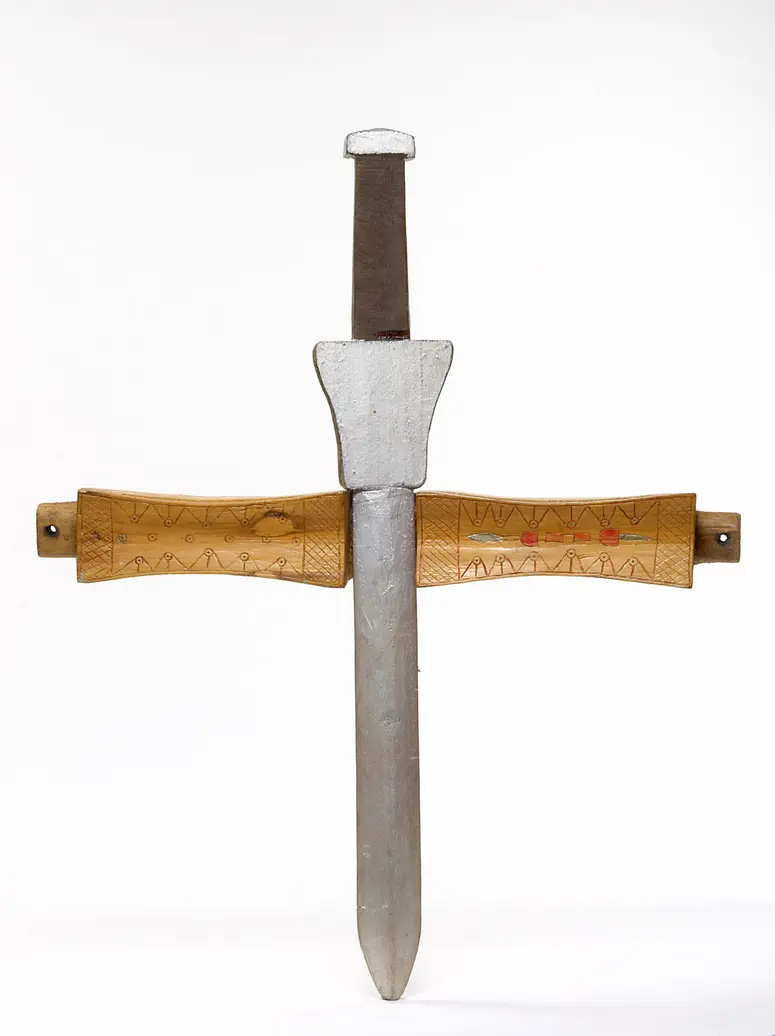
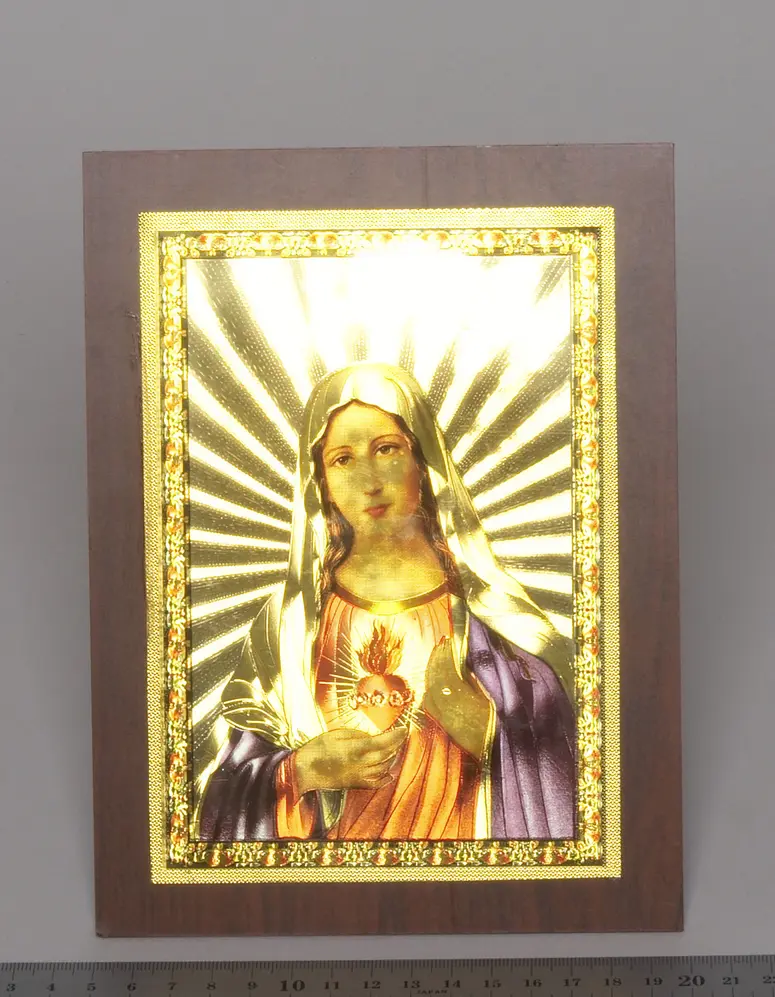
The Christian missionary work of the Naga by American Baptists began in the slipstream of British colonialism in the second half of the 19th century, while the Catholic mission did not begin until the middle of the 20th century.
The mission met with rapid and resounding success: While only 13 Christians were counted in 1881, today practically all Naga call themselves Christians; only a handful of old people in remote villages still belong to the old religion.
Everything that had to do with the traditional faith was considered pagan; in the rhetoric of the missionaries, the old was an expression of a "satanic" tradition. In their tracts and Bible translations into the local languages, the missionaries used the name of the respective supreme deity, the Creator, for the Christian God, which suggested to the converts the continuity of their beliefs. One often hears from Christian Nagas that they were "actually" already Christians and already believed in God before the Americans brought them the biblical teachings.
Today, Christianity is no longer understood as a religion from abroad; rather, it is the basis of a collective identity of all Naga people. It unites the various tribes into a single entity and thus overcomes traditional local identities.
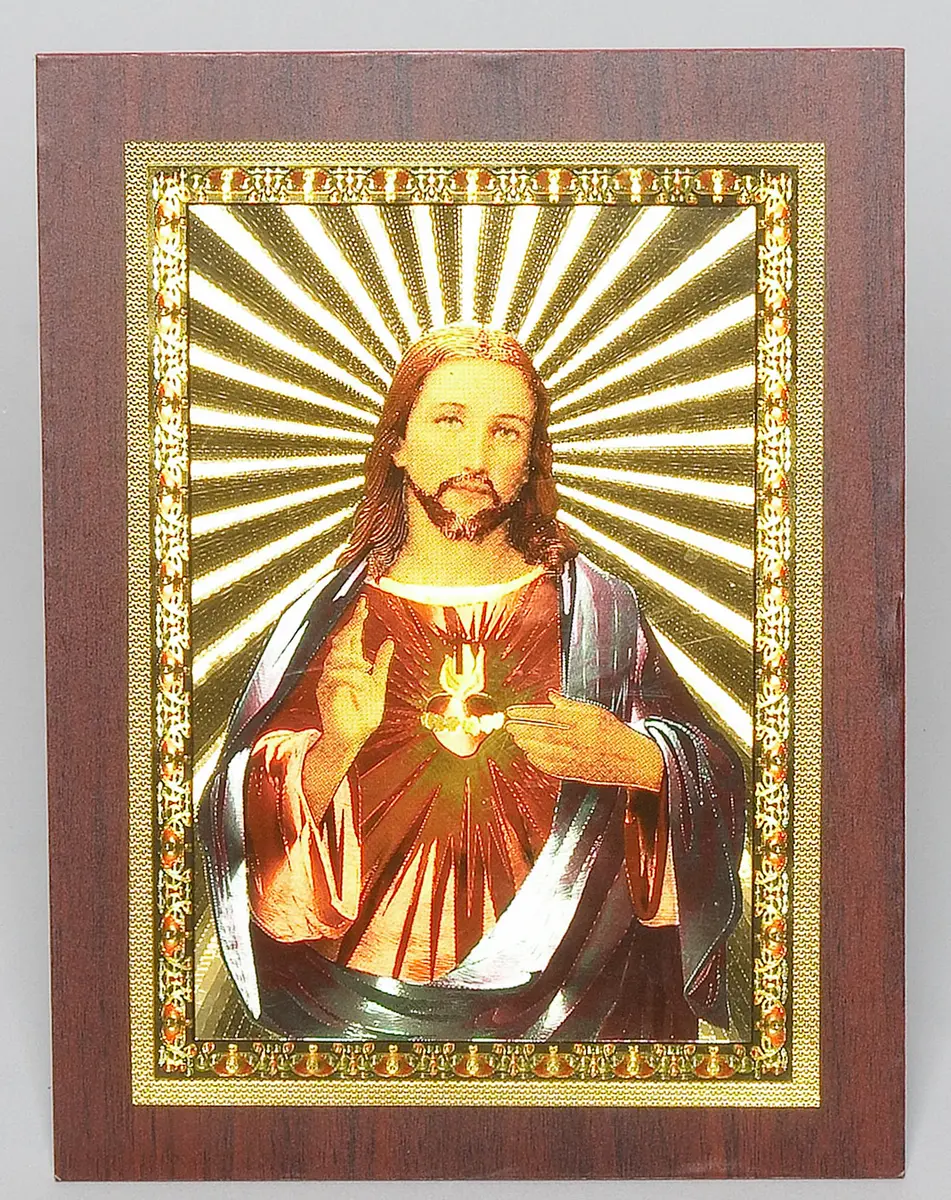
The Christian missionary work of the Naga by American Baptists began in the slipstream of British colonialism in the second half of the 19th century, while the Catholic mission did not begin until the middle of the 20th century.
The mission met with rapid and resounding success: While only 13 Christians were counted in 1881, today practically all Naga call themselves Christians; only a handful of old people in remote villages still belong to the old religion.
Everything that had to do with the traditional faith was considered pagan; in the rhetoric of the missionaries, the old was an expression of a "satanic" tradition. In their tracts and Bible translations into the local languages, the missionaries used the name of the respective supreme deity, the Creator, for the Christian God, which suggested to the converts the continuity of their beliefs. One often hears from Christian Nagas that they were "actually" already Christians and already believed in God before the Americans brought them the biblical teachings.
Today, Christianity is no longer understood as a religion from abroad; rather, it is the basis of a collective identity of all Naga people. It unites the various tribes into a single entity and thus overcomes traditional local identities.
Collector:
Christian Schicklgruber DNB
Entry Date:
2007
Culture
Indien Naga
Copyright
Weltmuseum Wien
Collection area
South Asia, Southeast Asia, Himalayas
Invs.
186081