Laila and Madschnun
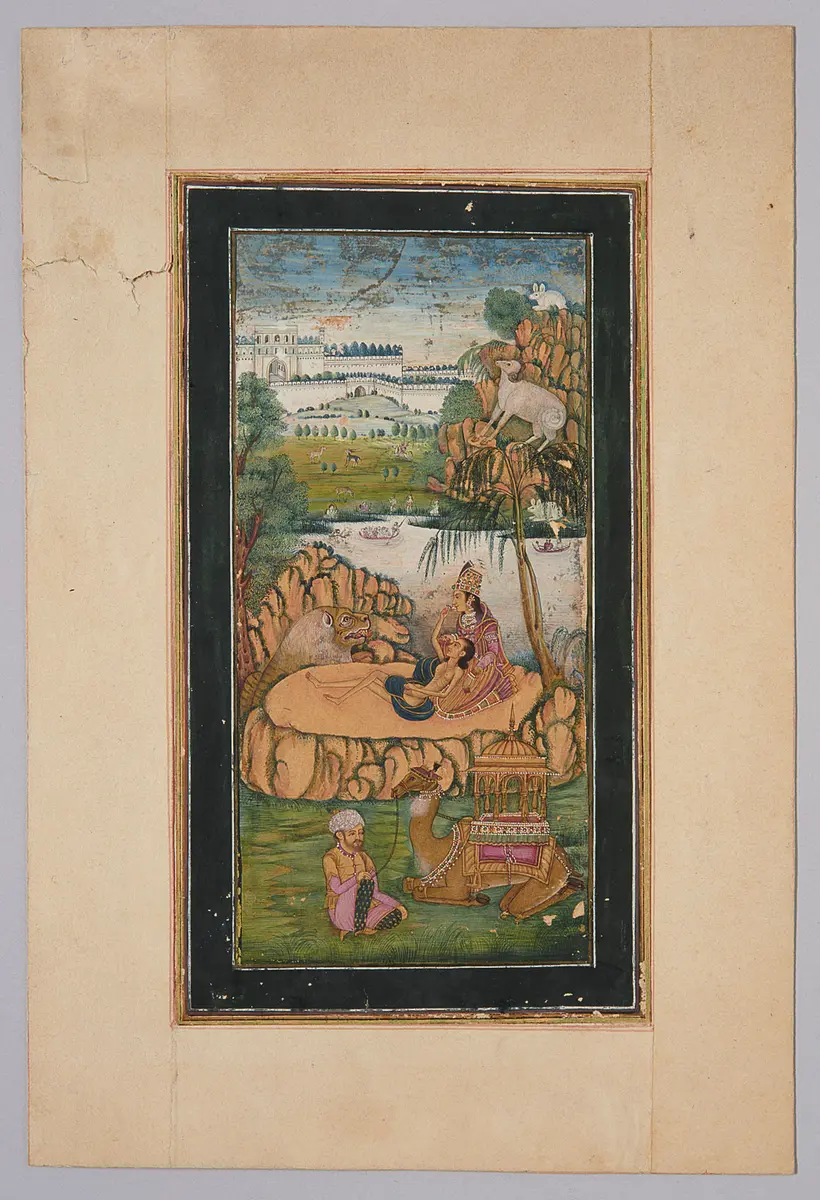
In the lower half of the picture, a servant is holding a crouching camel. The animal has carried Laila to her lover Majun in the wilderness. Perhaps in the hope that it will lead them to a life together in the palace. The tragic love story of Laila and Majun has been told in various versions since the 12th century from the Arab-Persian region to India. In its tragedy, it is also reminiscent of William Shakespeare's Romeo and Juliet. The story in the Persian-Arabic tradition goes back to the fate of Quais ibn al-Mulawwah, who lived in the 7th century. The best-known version was written in the 12th century by the Persian poet Nezami Ganjavi in the epic poem Khamsa. The young Quais ibn al-Mulawwah was invited to a feast in the palace of Laila's father, and his contribution was the slaughter of a camel. At this lavish feast, he fell madly in love with Laila. However, her father forbade this relationship and gave his daughter to another man, whom she never loved. Quais went mad out of love, which henceforth gave him the name Majun Laila, Arabic for "the one possessed by Laila". He left the orderly world and lived in the wilderness until his death, emaciated to a skeleton.The scene in this painting shows Laila at her only meeting with her lover, far away from her palace, which closes off the painting at the top. Its solid walls refer to the strict rules of tradition that separate the lovers.The hunters in front of it hunt animals that live in the wild like Majun.He too will soon die.After the death of Laila's husband, their love never led to a life together due to the traditional mourning period of a widow.Laila passed away out of love.When Majun found out about this, he also died shortly afterwards.The camel could never become a bridge between the wilderness to which Majun had retreated and Laila's palace; the animal never carried the two of them on its back into a life together as a symbol of patient hope.
In the lower half of the picture, a servant is holding a crouching camel. The animal has carried Laila to her lover Majun in the wilderness. Perhaps in the hope that it will lead them to a life together in the palace. The tragic love story of Laila and Majun has been told in various versions since the 12th century from the Arab-Persian region to India. In its tragedy, it is also reminiscent of William Shakespeare's Romeo and Juliet. The story in the Persian-Arabic tradition goes back to the fate of Quais ibn al-Mulawwah, who lived in the 7th century. The best-known version was written in the 12th century by the Persian poet Nezami Ganjavi in the epic poem Khamsa. The young Quais ibn al-Mulawwah was invited to a feast in the palace of Laila's father, and his contribution was the slaughter of a camel. At this lavish feast, he fell madly in love with Laila. However, her father forbade this relationship and gave his daughter to another man, whom she never loved. Quais went mad out of love, which henceforth gave him the name Majun Laila, Arabic for "the one possessed by Laila". He left the orderly world and lived in the wilderness until his death, emaciated to a skeleton.The scene in this painting shows Laila at her only meeting with her lover, far away from her palace, which closes off the painting at the top. Its solid walls refer to the strict rules of tradition that separate the lovers.The hunters in front of it hunt animals that live in the wild like Majun.He too will soon die.After the death of Laila's husband, their love never led to a life together due to the traditional mourning period of a widow.Laila passed away out of love.When Majun found out about this, he also died shortly afterwards.The camel could never become a bridge between the wilderness to which Majun had retreated and Laila's palace; the animal never carried the two of them on its back into a life together as a symbol of patient hope.
Acquired by:
Dorotheum, Wien DNB
Object Name
Laila und Madschnun
Culture
Indien
Material/technology:
Gouache auf Papier
Copyright
Weltmuseum Wien
Collection area
South Asia, Southeast Asia, Himalayas
Geography
Südasien/Subkontinent/Indien
Invs.
135679
Browse more Similar items you might be interested in
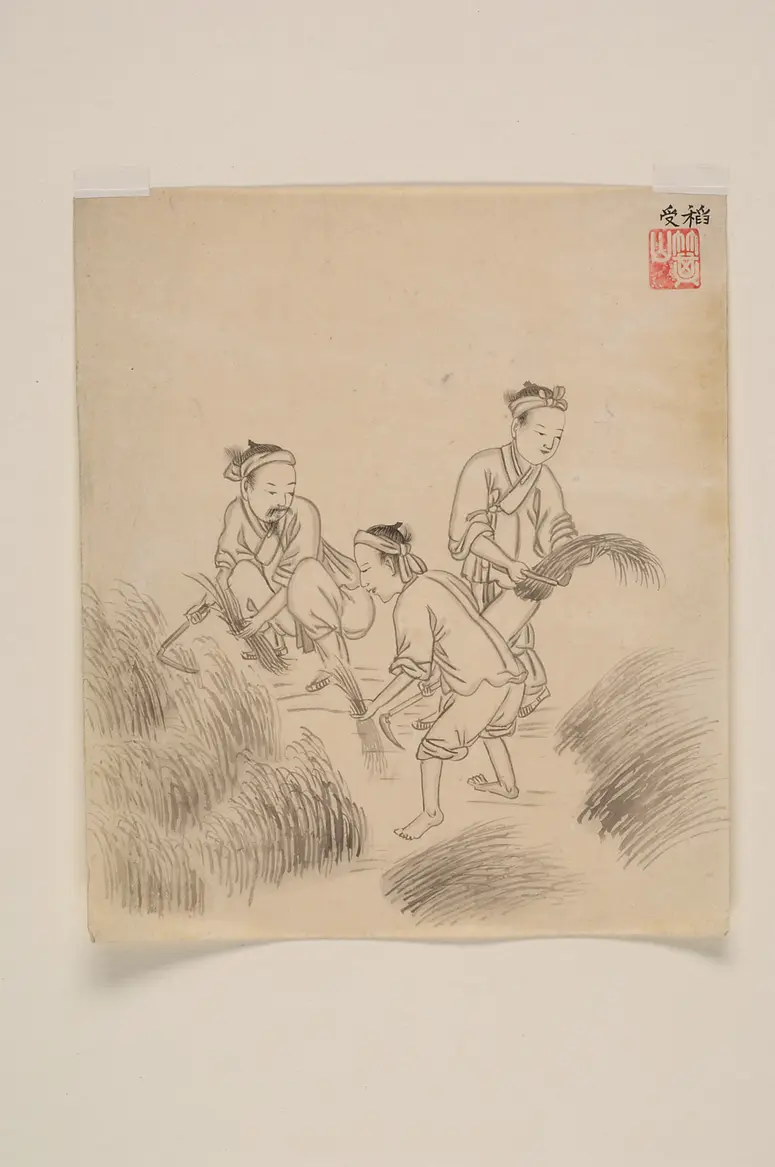
Tuschezeichnung der Werkstatt Kim Jun-geun 김준근 金俊根 (Kisan 기산 箕山) Dorotheum, Wien 1. Hälfte 20. Jahrhundert
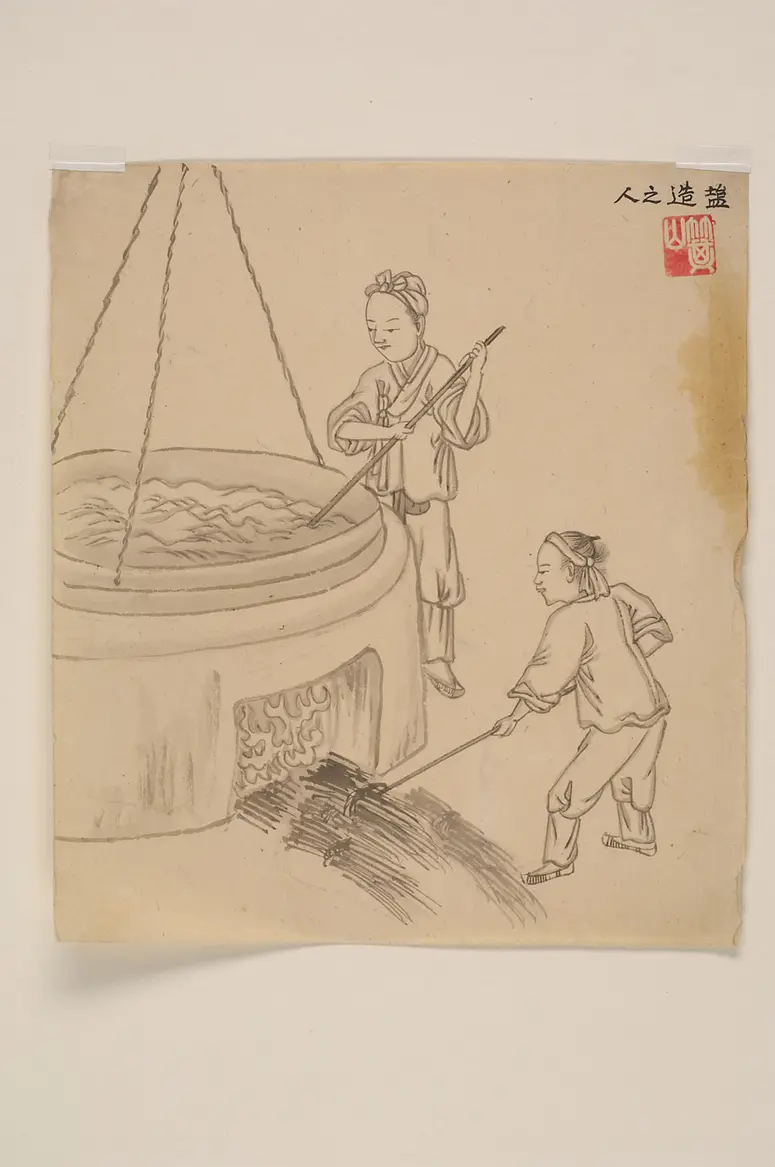
ink drawing by the workshop of Kim Jun-geun 김준근 金俊根 (Kisan 기산 箕山) Dorotheum, Wien Ende 19. Jh.
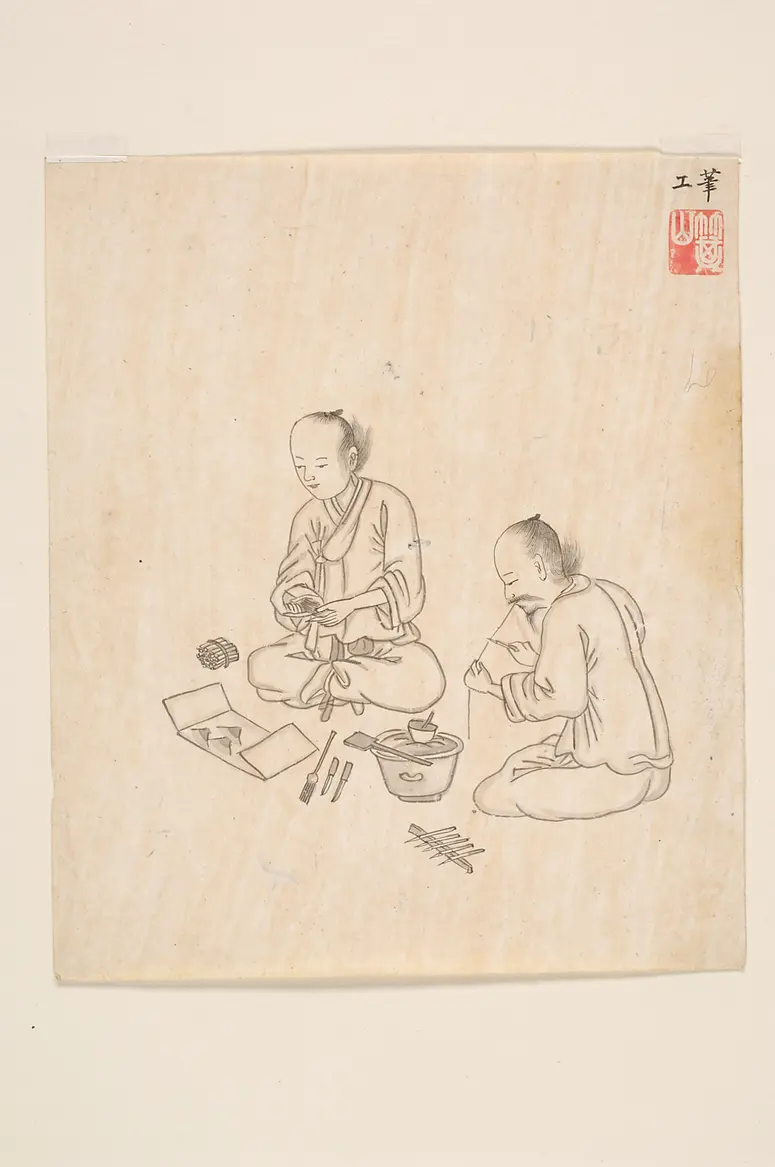
ink drawing by the workshop of Kim Jun-geun 김준근 金俊根 (Kisan 기산 箕山) Dorotheum, Wien 1. Hälfte 20. Jahrhundert
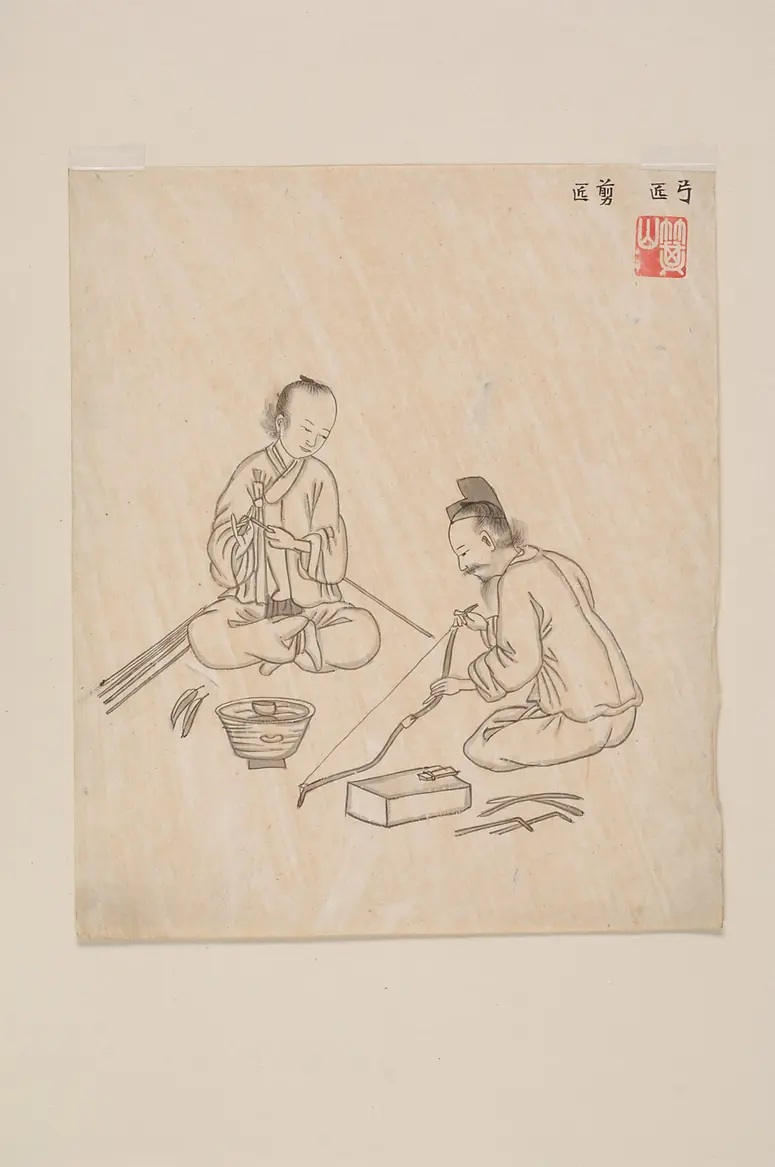
ink drawing by the workshop of Kim Jun-geun 김준근 金俊根 (Kisan 기산 箕山) Dorotheum, Wien 1. Hälfte 20. Jahrhundert
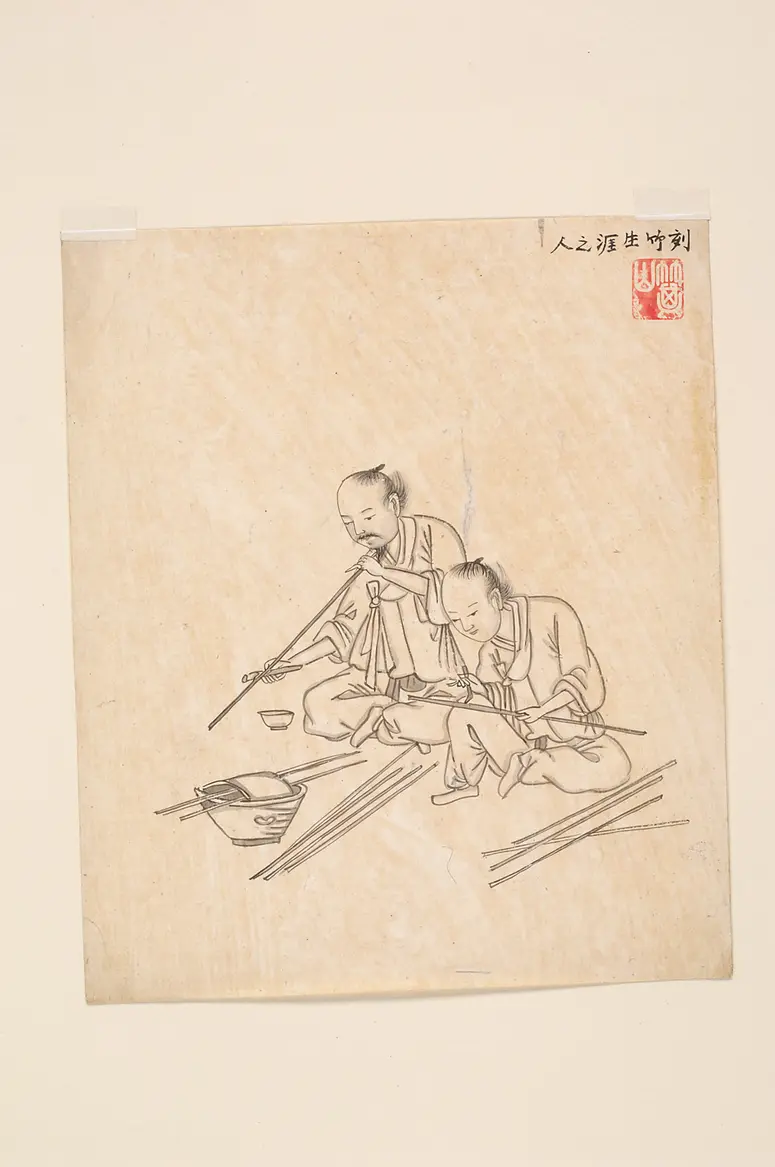
ink drawing by the workshop of Kim Jun-geun 김준근 金俊根 (Kisan 기산 箕山) Dorotheum, Wien 1. Hälfte 20. Jahrhundert
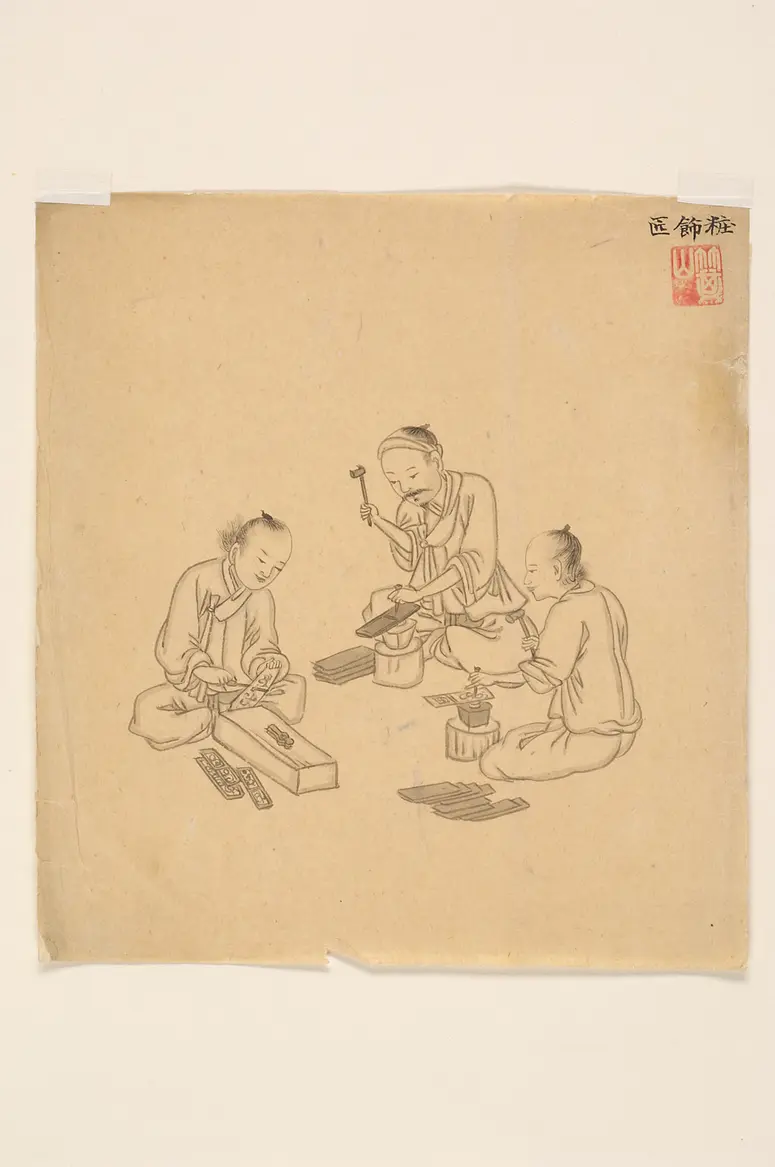
ink drawing by the workshop of Kim Jun-geun 김준근 金俊根 (Kisan 기산 箕山) Dorotheum, Wien 1. Hälfte 20. Jahrhundert
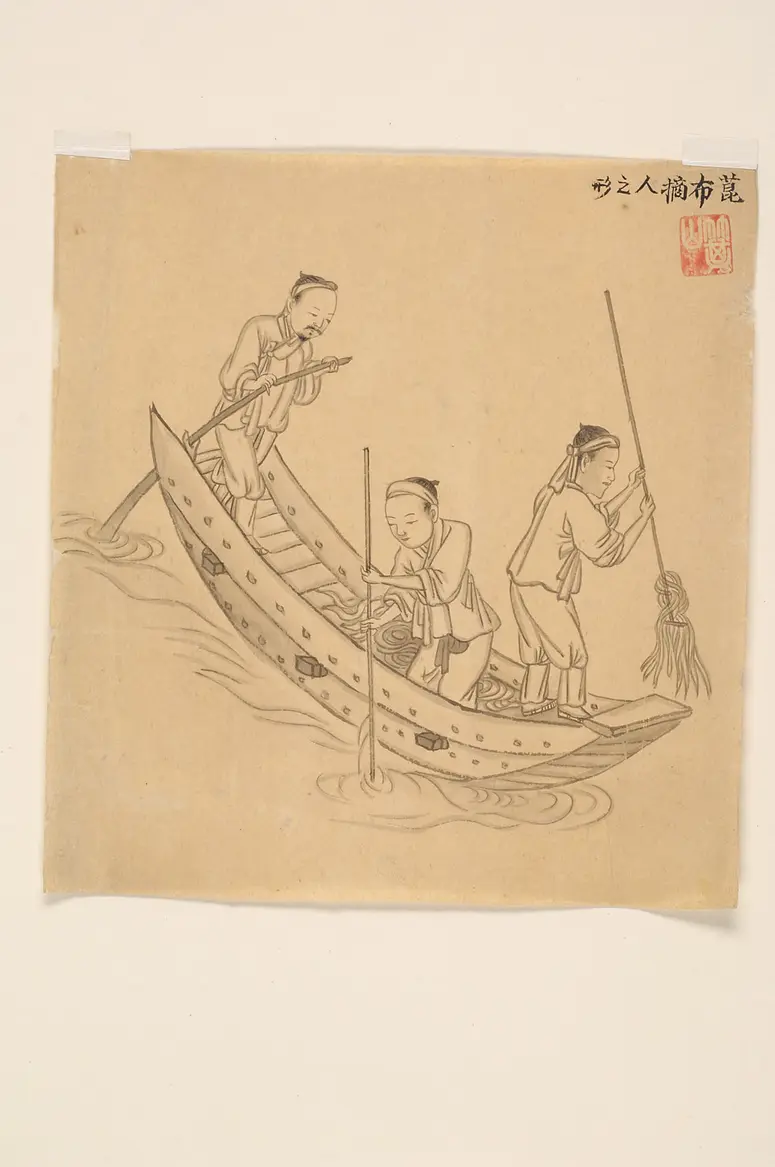
ink drawing by the workshop of Kim Jun-geun 김준근 金俊根 (Kisan 기산 箕山) Dorotheum, Wien 1. Hälfte 20. Jahrhundert
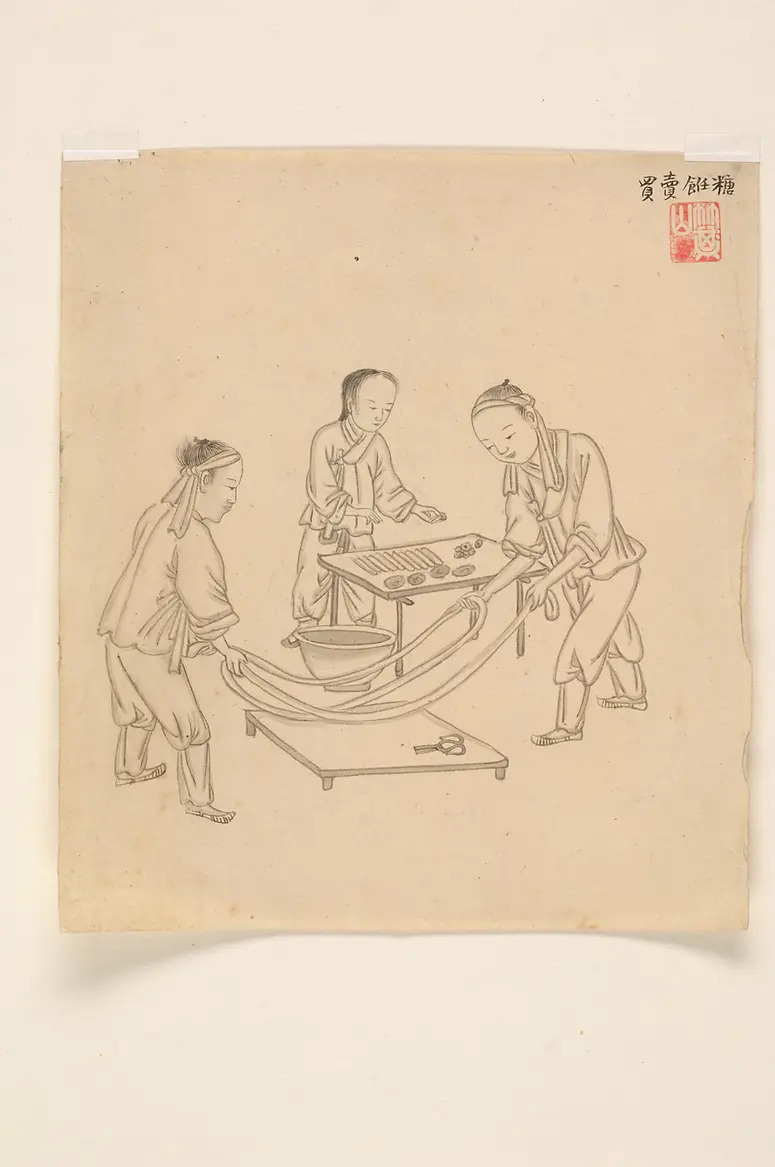
ink drawing by the workshop of Kim Jun-geun 김준근 金俊根 (Kisan 기산 箕山) Dorotheum, Wien 1. Hälfte 20. Jahrhundert
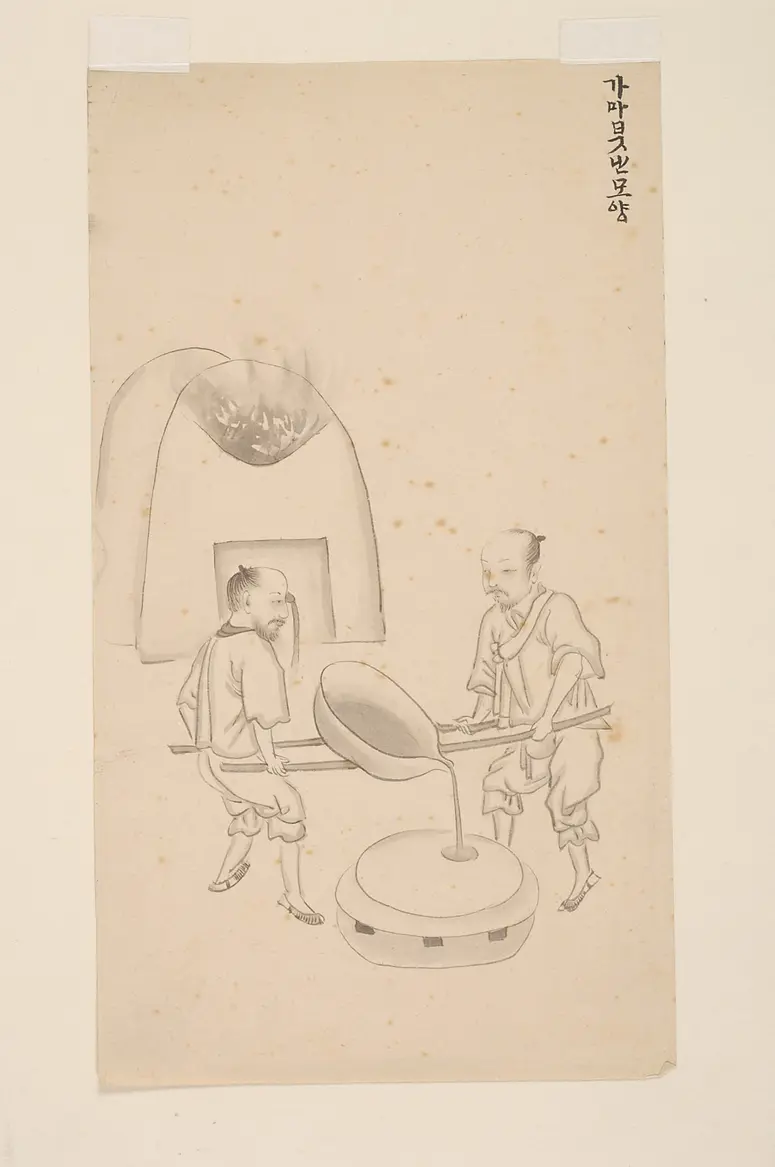
ink drawing by the workshop of Kim Jun-geun 김준근 金俊根 (Kisan 기산 箕山) Dorotheum, Wien 1. Hälfte 20. Jahrhundert
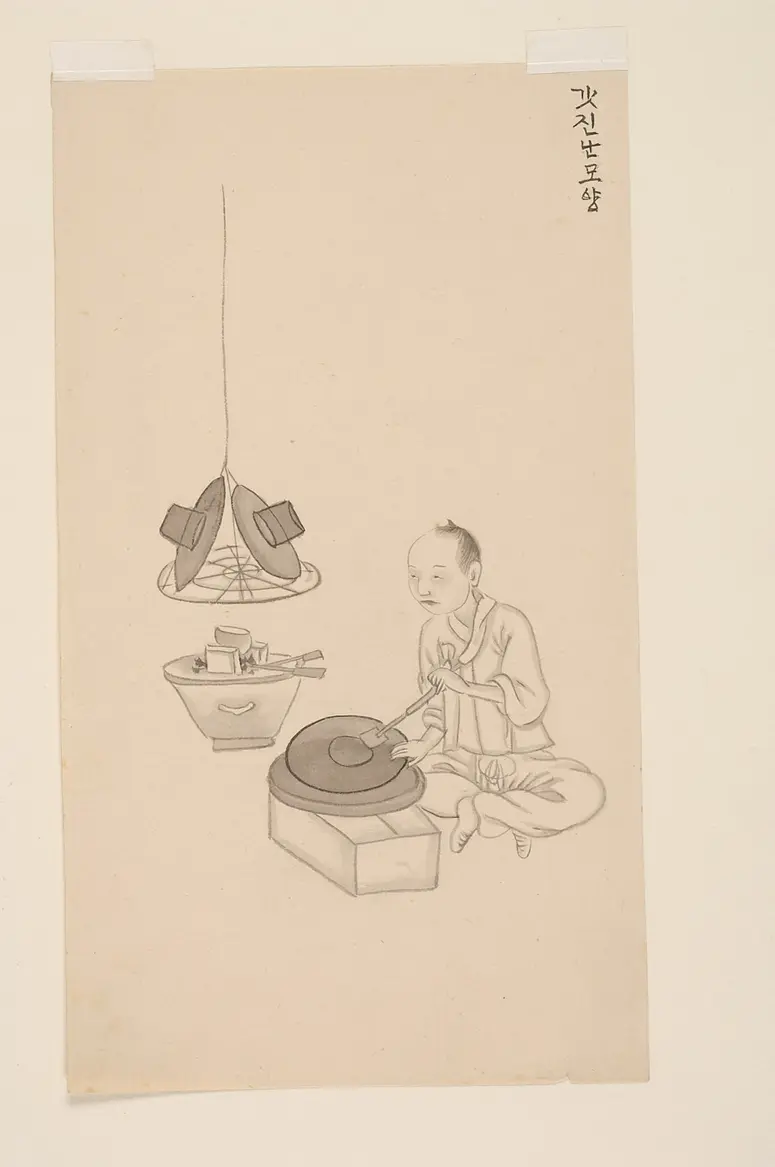
ink drawing by the workshop of Kim Jun-geun 김준근 金俊根 (Kisan 기산 箕山) Dorotheum, Wien 1. Hälfte 20. Jahrhundert
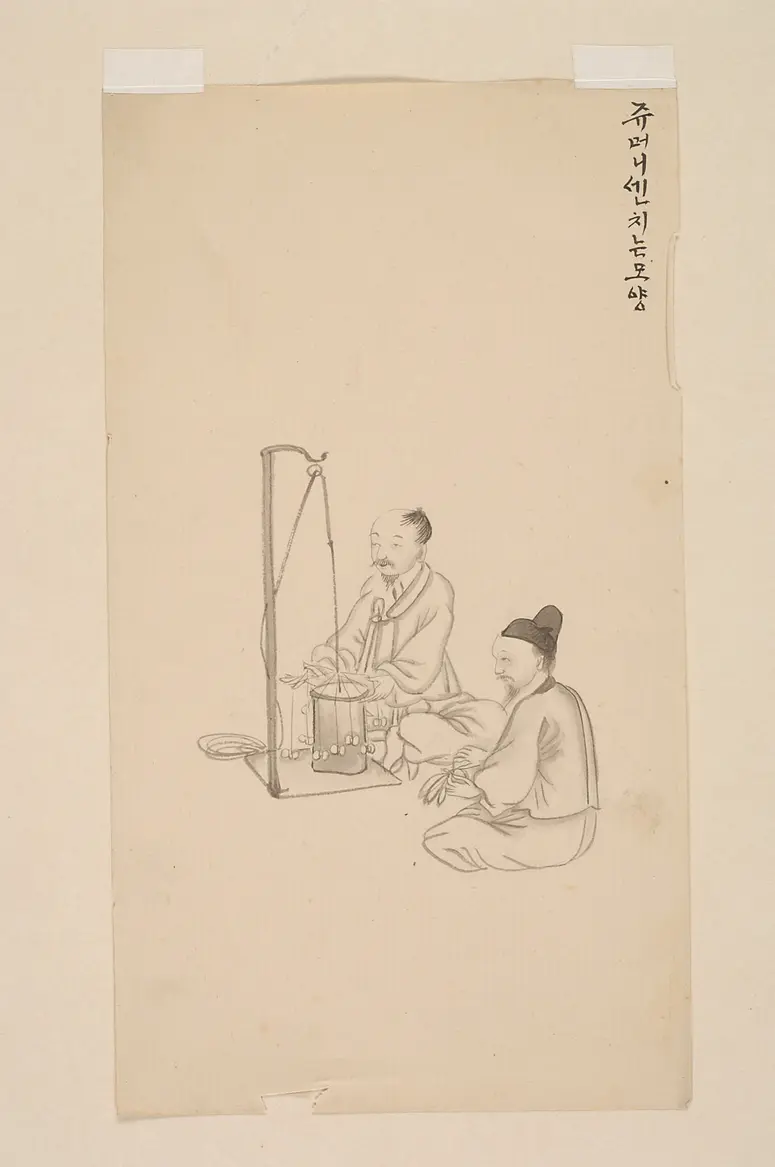
ink drawing by the workshop of Kim Jun-geun 김준근 金俊根 (Kisan 기산 箕山) Dorotheum, Wien 1. Hälfte 20. Jahrhundert
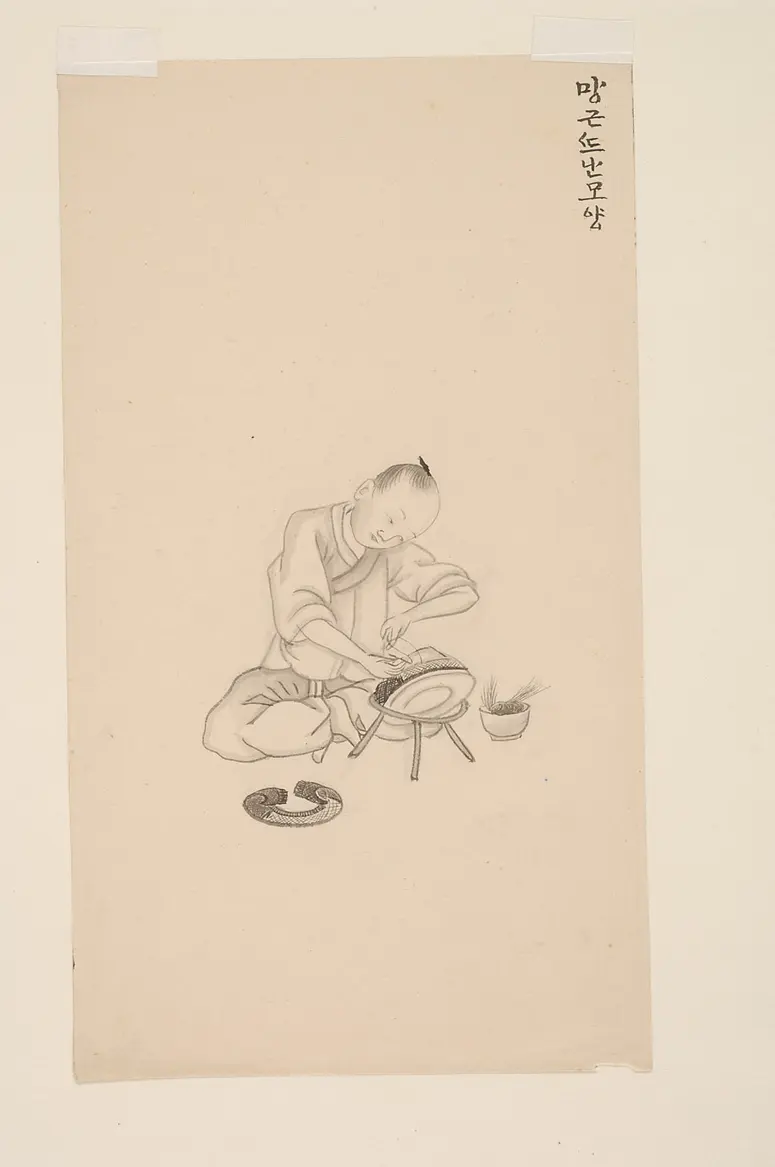
ink drawing by the workshop of Kim Jun-geun 김준근 金俊根 (Kisan 기산 箕山) Dorotheum, Wien 1. Hälfte 20. Jahrhundert
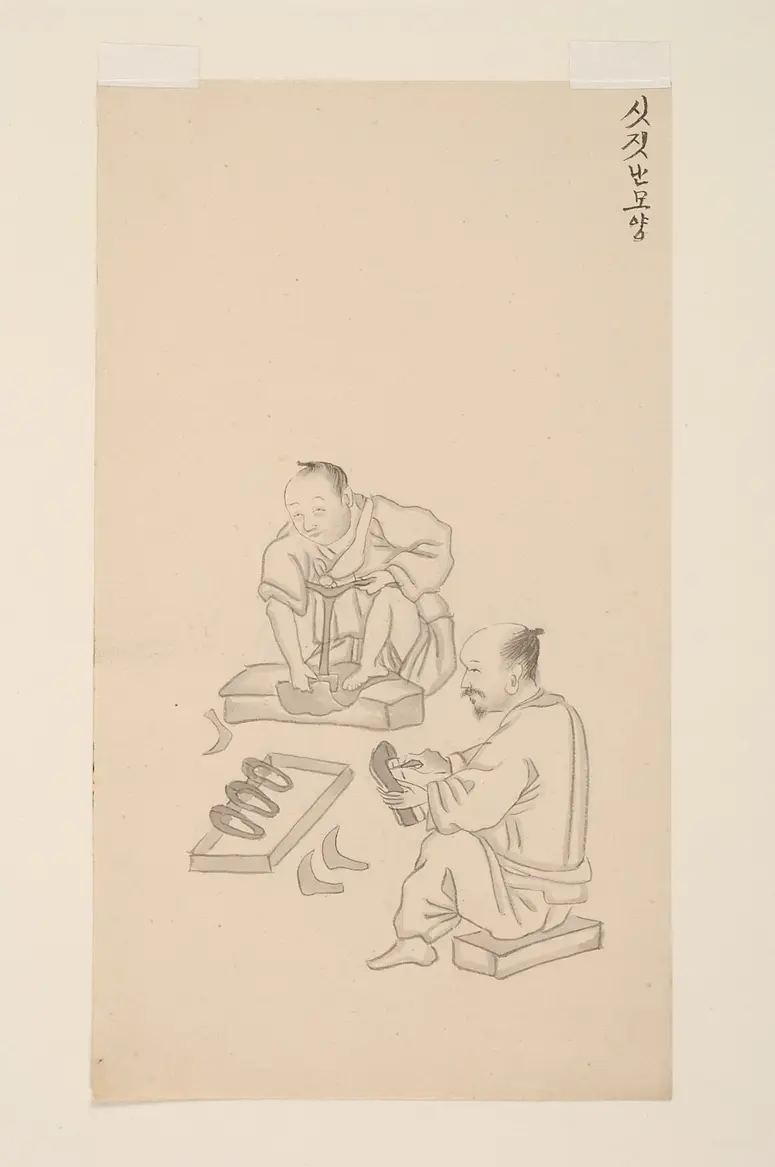
ink drawing by the workshop of Kim Jun-geun 김준근 金俊根 (Kisan 기산 箕山) Dorotheum, Wien 1. Hälfte 20. Jahrhundert
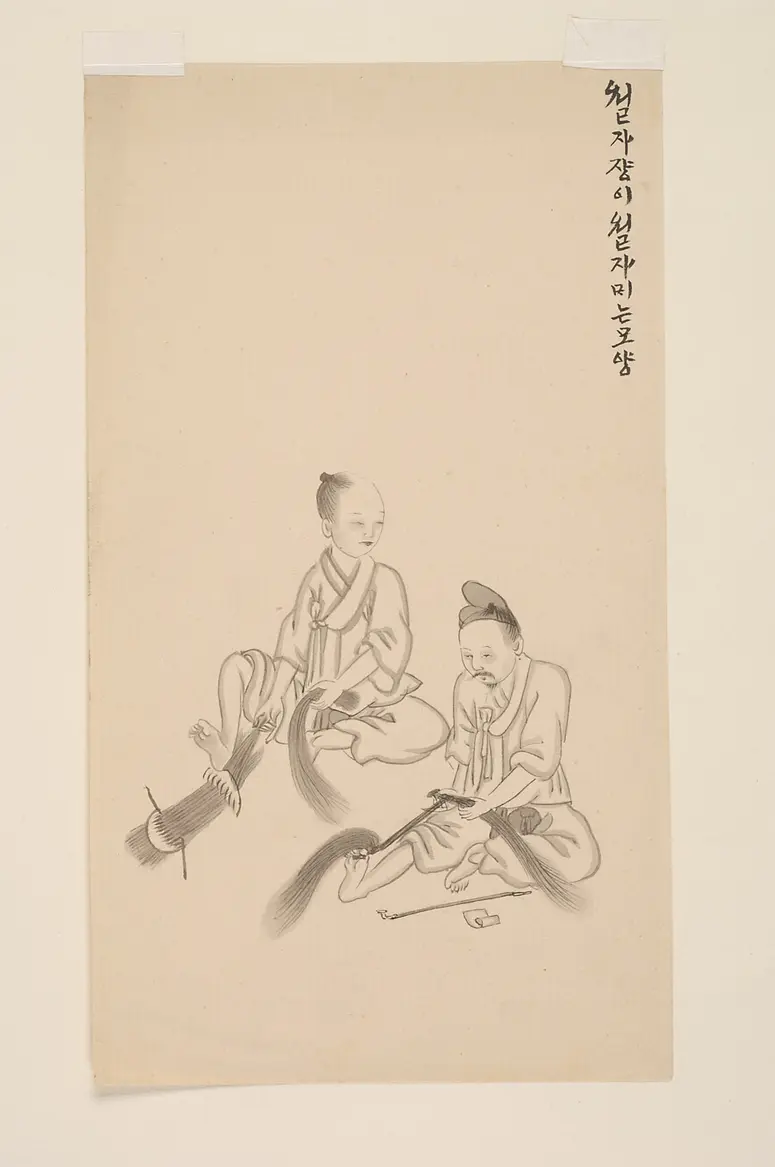
ink drawing by the workshop of Kim Jun-geun 김준근 金俊根 (Kisan 기산 箕山) Dorotheum, Wien 1. Hälfte 20. Jahrhundert
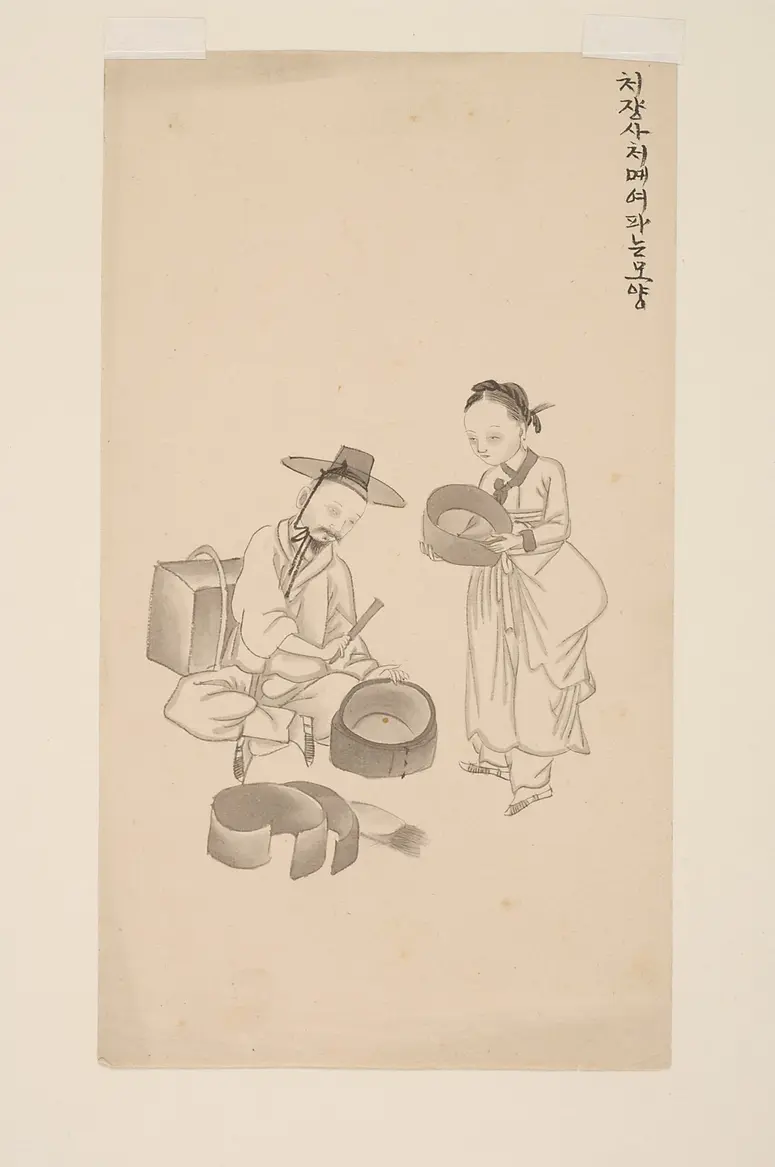
ink drawing by the workshop of Kim Jun-geun 김준근 金俊根 (Kisan 기산 箕山) Dorotheum, Wien 1. Hälfte 20. Jahrhundert
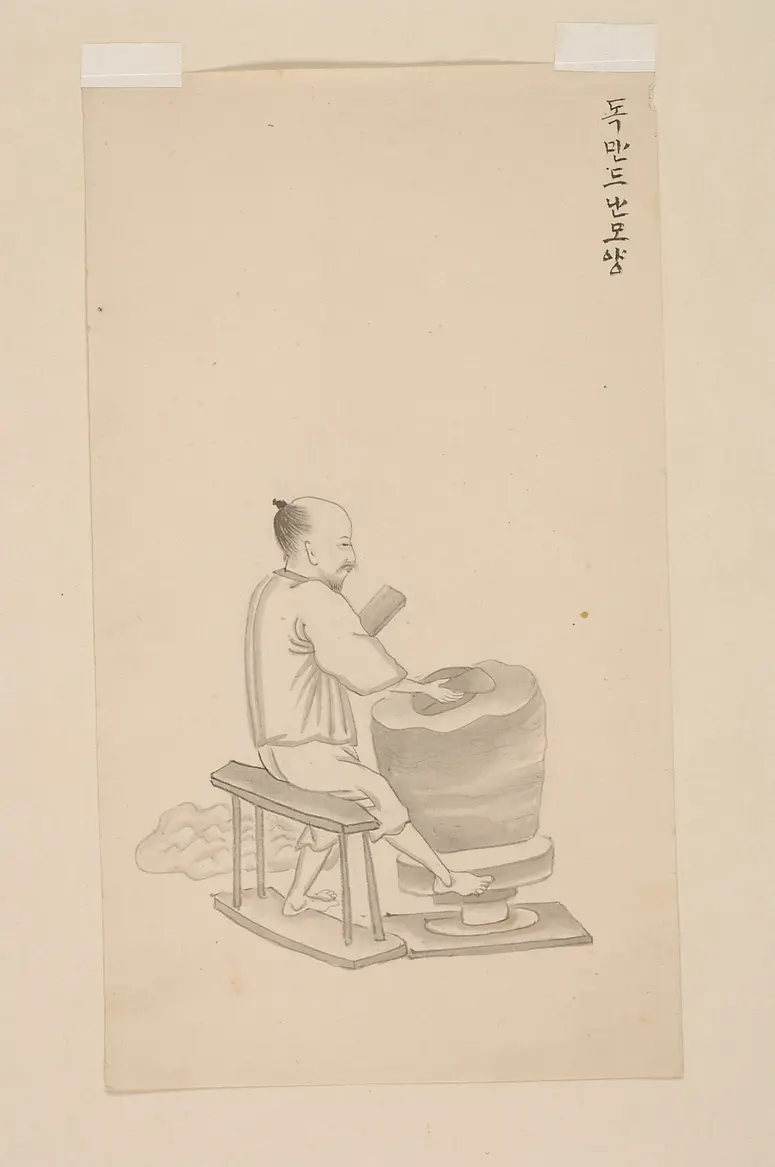
ink drawing by the workshop of Kim Jun-geun 김준근 金俊根 (Kisan 기산 箕山) Dorotheum, Wien 1. Hälfte 20. Jahrhundert
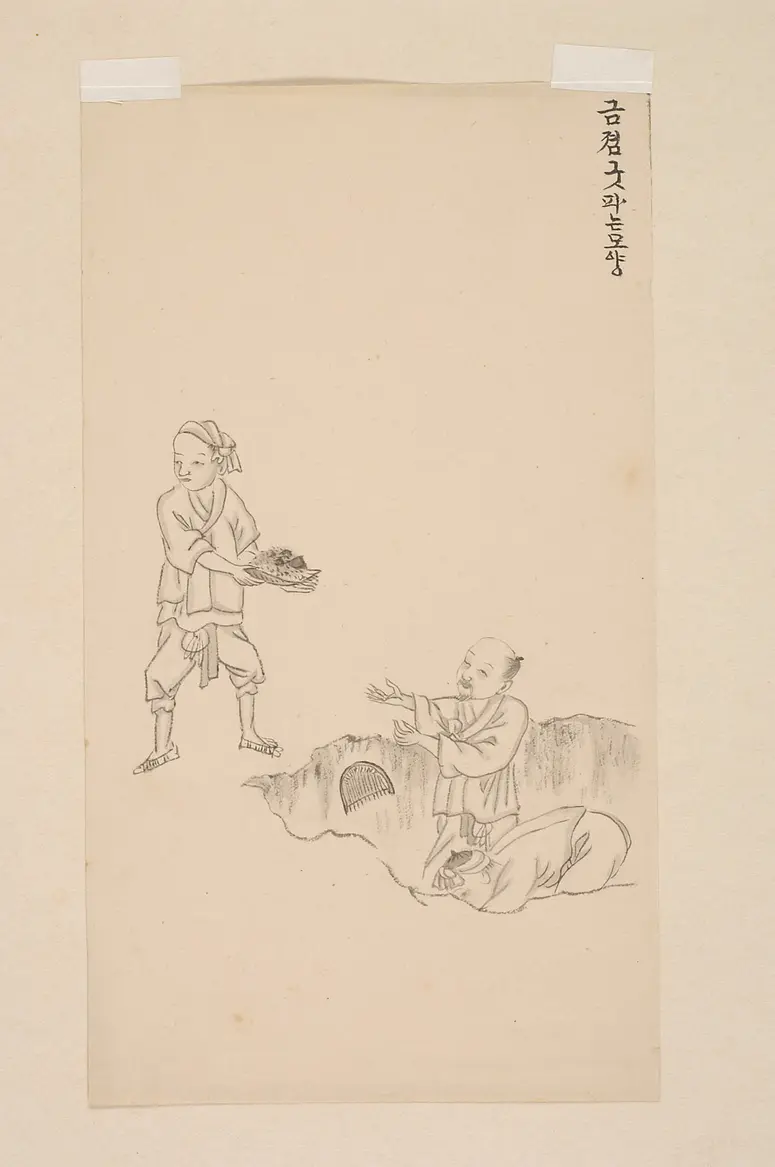
ink drawing by the workshop of Kim Jun-geun 김준근 金俊根 (Kisan 기산 箕山) Dorotheum, Wien 1. Hälfte 20. Jahrhundert
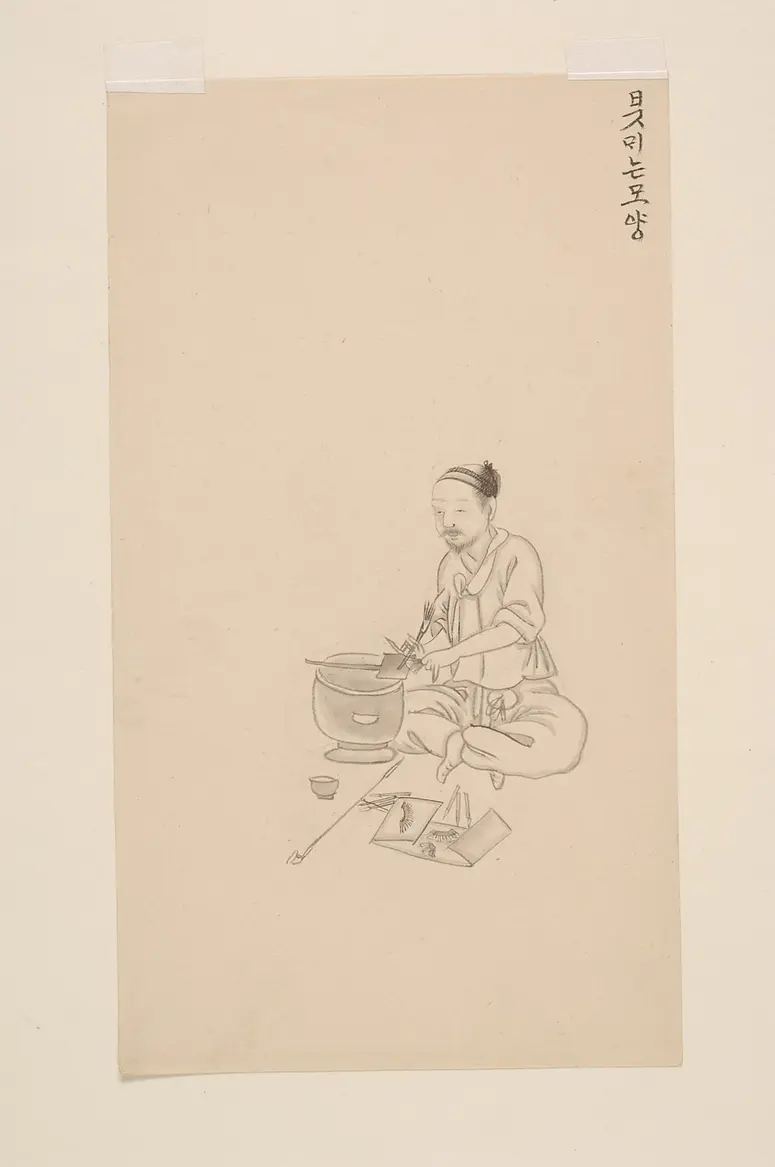
ink drawing by the workshop of Kim Jun-geun 김준근 金俊根 (Kisan 기산 箕山) Dorotheum, Wien 1. Hälfte 20. Jahrhundert
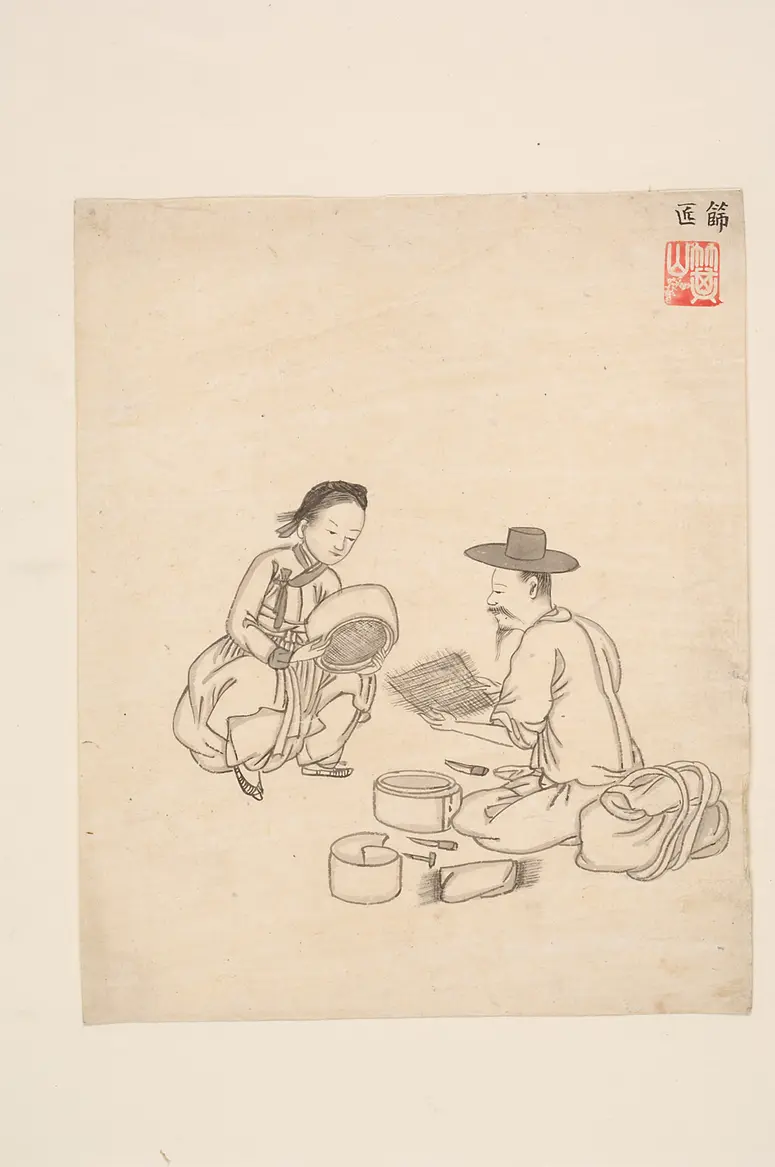
ink drawing by the workshop of Kim Jun-geun 김준근 金俊根 (Kisan 기산 箕山) Dorotheum, Wien 1. Hälfte 20. Jahrhundert