Miniaturmalerei
In India, animals composed of various human, animal and demonic beings date back to the first century BC, as can be seen on reliefs on a stupa in Sanchi, for example. In Hinduism, gods with the heads of animals on human bodies such as Ganesha, Hanuman or Garuda continue this tradition, as does the composed appearance of this camel, which shows the influence of Persia on Indian Mughal painting. The animal's body is composed of mammals, reptiles, fish and humans, with a few exceptions of musicians. One explanation proposed by science is that animals composed of several different beings cannot be seen as physical phenomena. As expressed in the poetry of India, the contemplation of such fantastic beings is intended to awaken the realization that all phenomena that can be perceived by the senses are one with God. The winged rider under the dome-like canopy also comes from the supernatural world. The Persian term peri for such beings originally referred to mischievous beings characterized by their beauty, who were denied entry into paradise until they repented. With Islam, these beings created by God became benevolent figures.

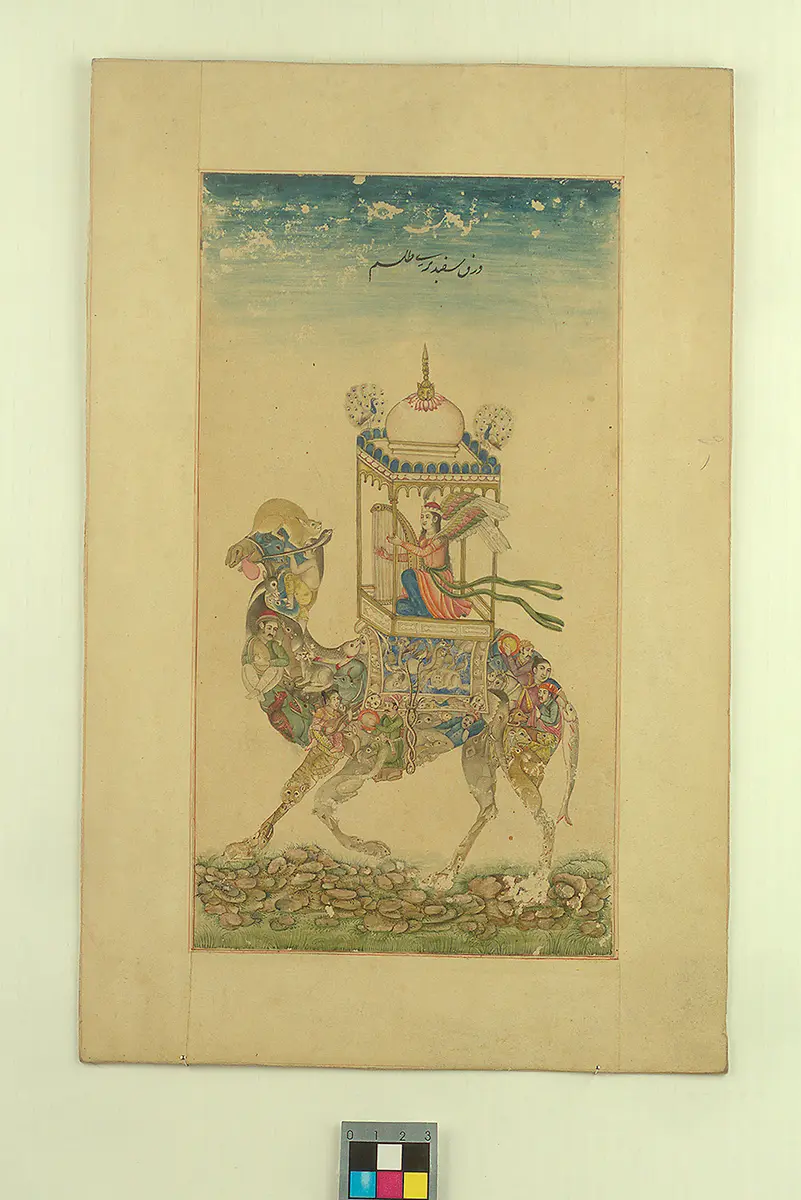
In India, animals composed of various human, animal and demonic beings date back to the first century BC, as can be seen on reliefs on a stupa in Sanchi, for example. In Hinduism, gods with the heads of animals on human bodies such as Ganesha, Hanuman or Garuda continue this tradition, as does the composed appearance of this camel, which shows the influence of Persia on Indian Mughal painting. The animal's body is composed of mammals, reptiles, fish and humans, with a few exceptions of musicians. One explanation proposed by science is that animals composed of several different beings cannot be seen as physical phenomena. As expressed in the poetry of India, the contemplation of such fantastic beings is intended to awaken the realization that all phenomena that can be perceived by the senses are one with God. The winged rider under the dome-like canopy also comes from the supernatural world. The Persian term peri for such beings originally referred to mischievous beings characterized by their beauty, who were denied entry into paradise until they repented. With Islam, these beings created by God became benevolent figures.
Acquired by:
Dorotheum, Wien DNB
Culture
Indien
Copyright
Weltmuseum Wien
Collection area
South Asia, Southeast Asia, Himalayas
Geography
Südasien/Subkontinent/Indien
Invs.
135678
Browse more Similar items you might be interested in
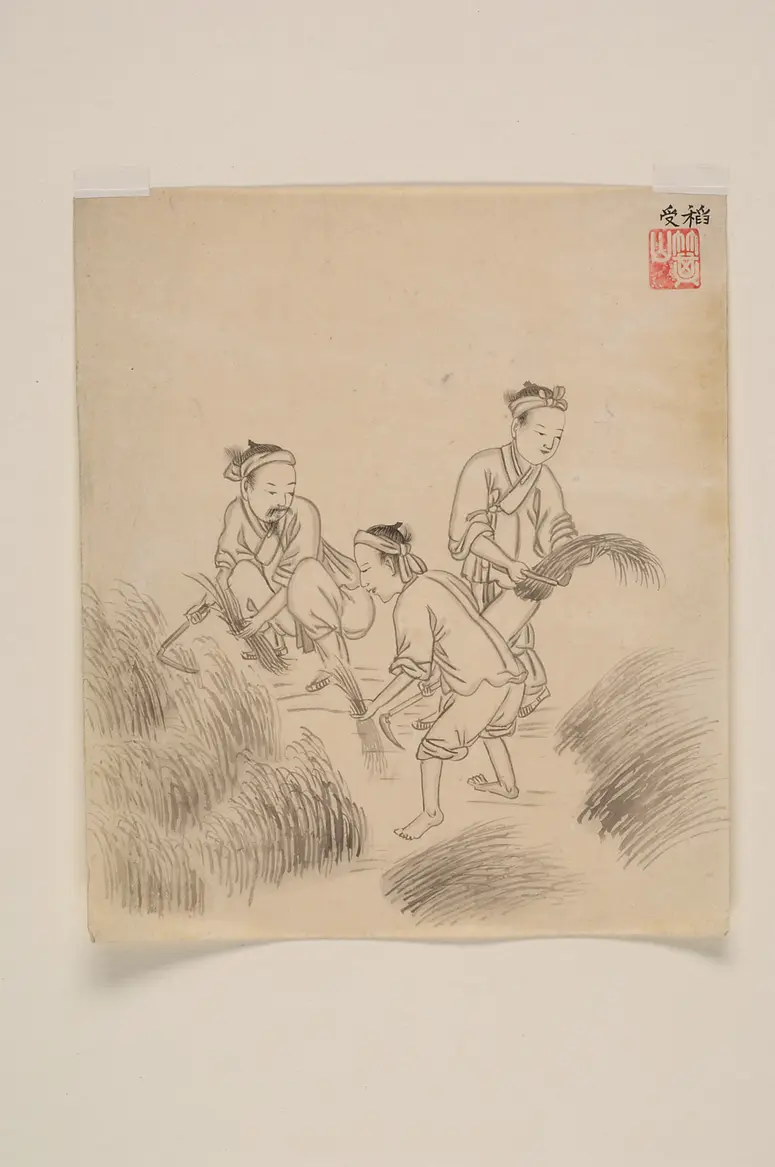
Tuschezeichnung der Werkstatt Kim Jun-geun 김준근 金俊根 (Kisan 기산 箕山) Dorotheum, Wien 1. Hälfte 20. Jahrhundert
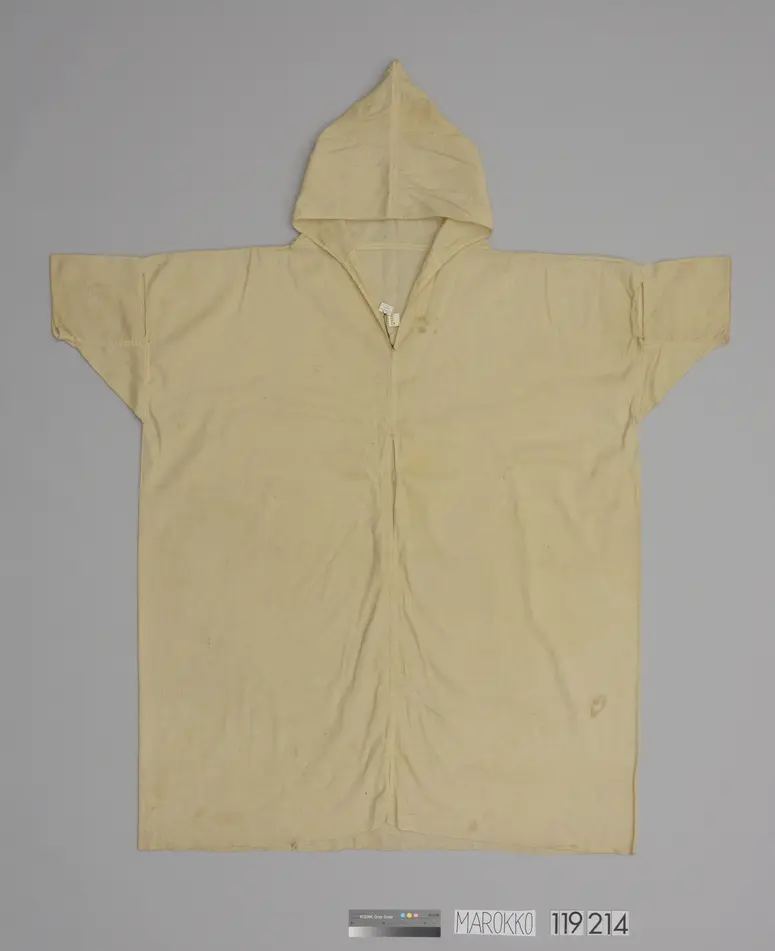
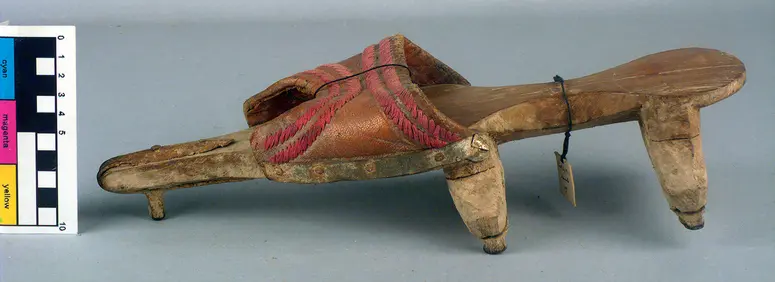

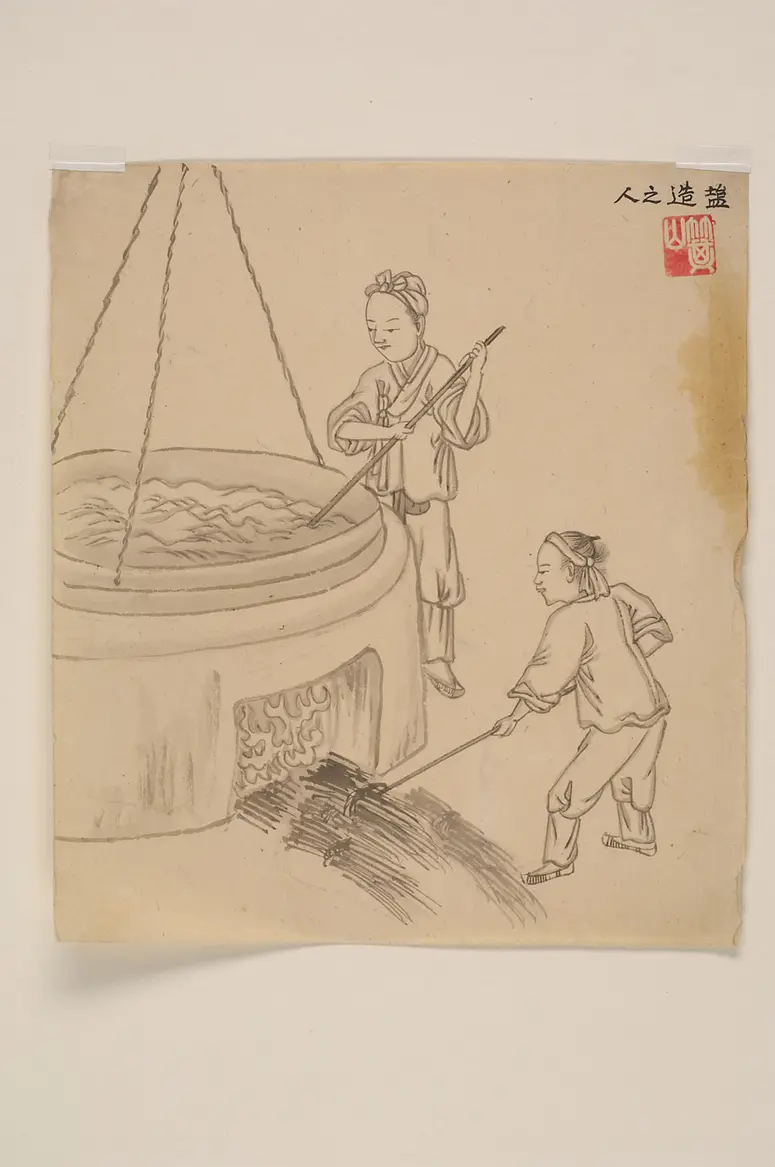
ink drawing by the workshop of Kim Jun-geun 김준근 金俊根 (Kisan 기산 箕山) Dorotheum, Wien Ende 19. Jh.
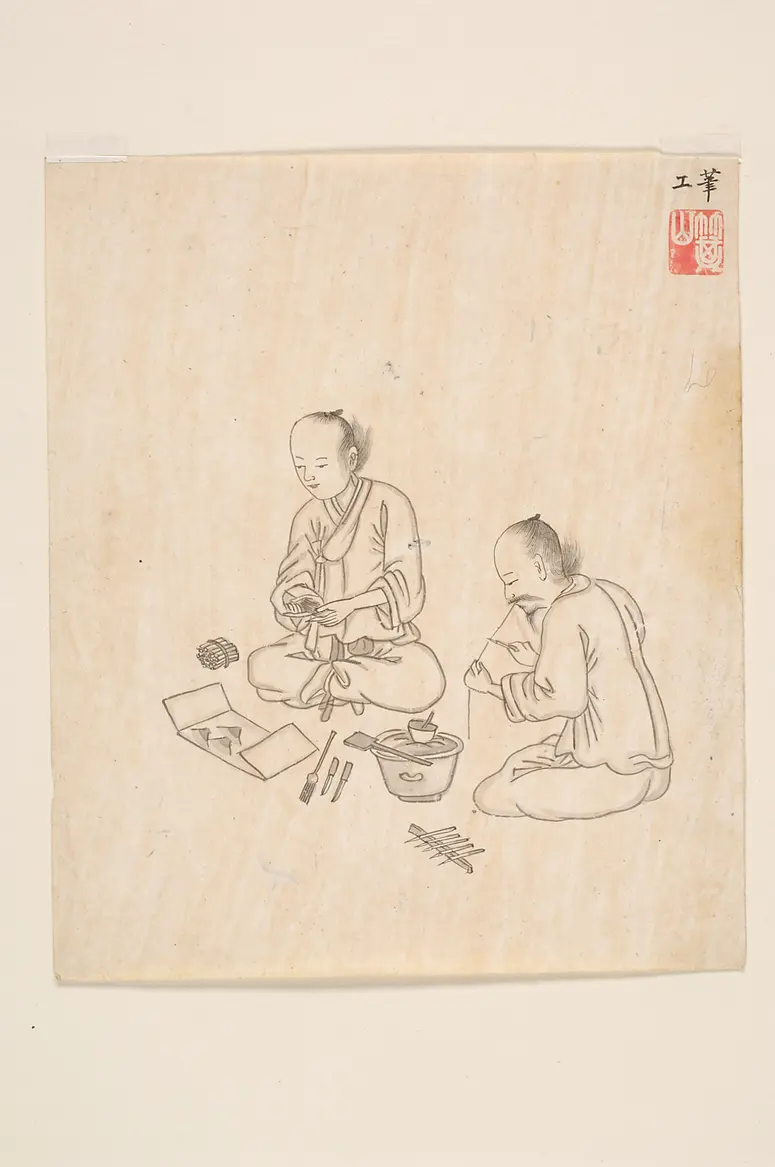
ink drawing by the workshop of Kim Jun-geun 김준근 金俊根 (Kisan 기산 箕山) Dorotheum, Wien 1. Hälfte 20. Jahrhundert
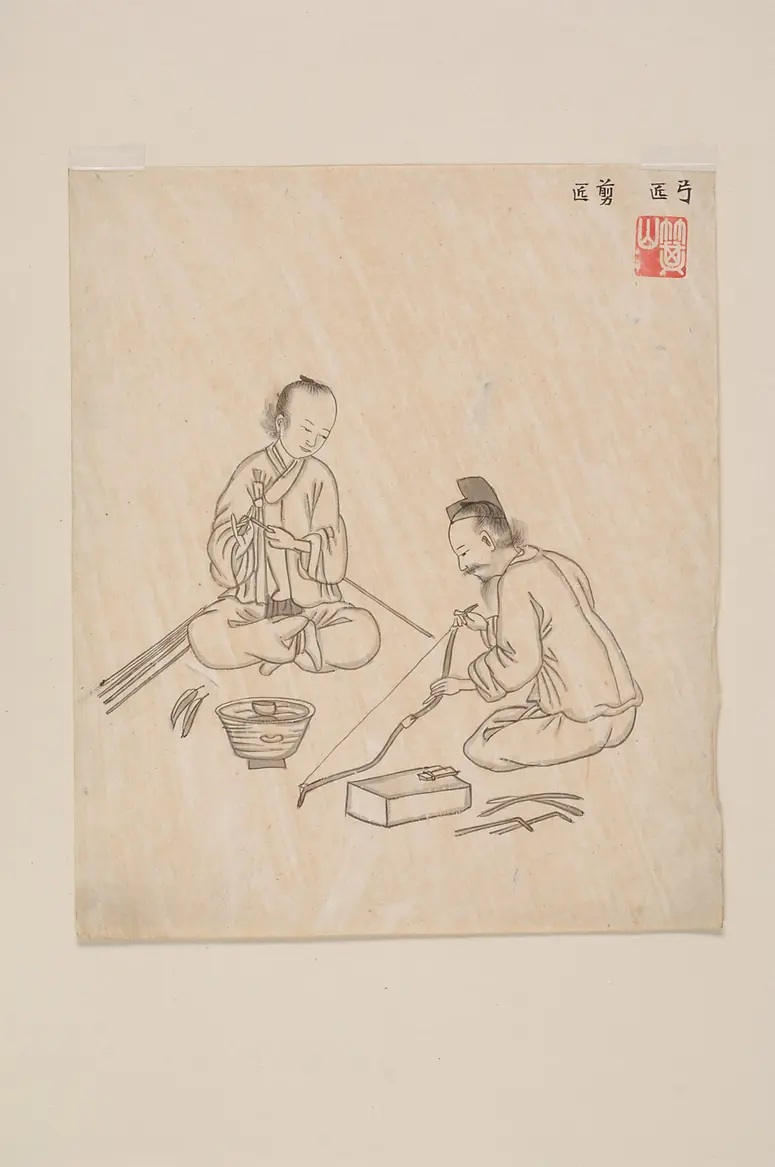
ink drawing by the workshop of Kim Jun-geun 김준근 金俊根 (Kisan 기산 箕山) Dorotheum, Wien 1. Hälfte 20. Jahrhundert
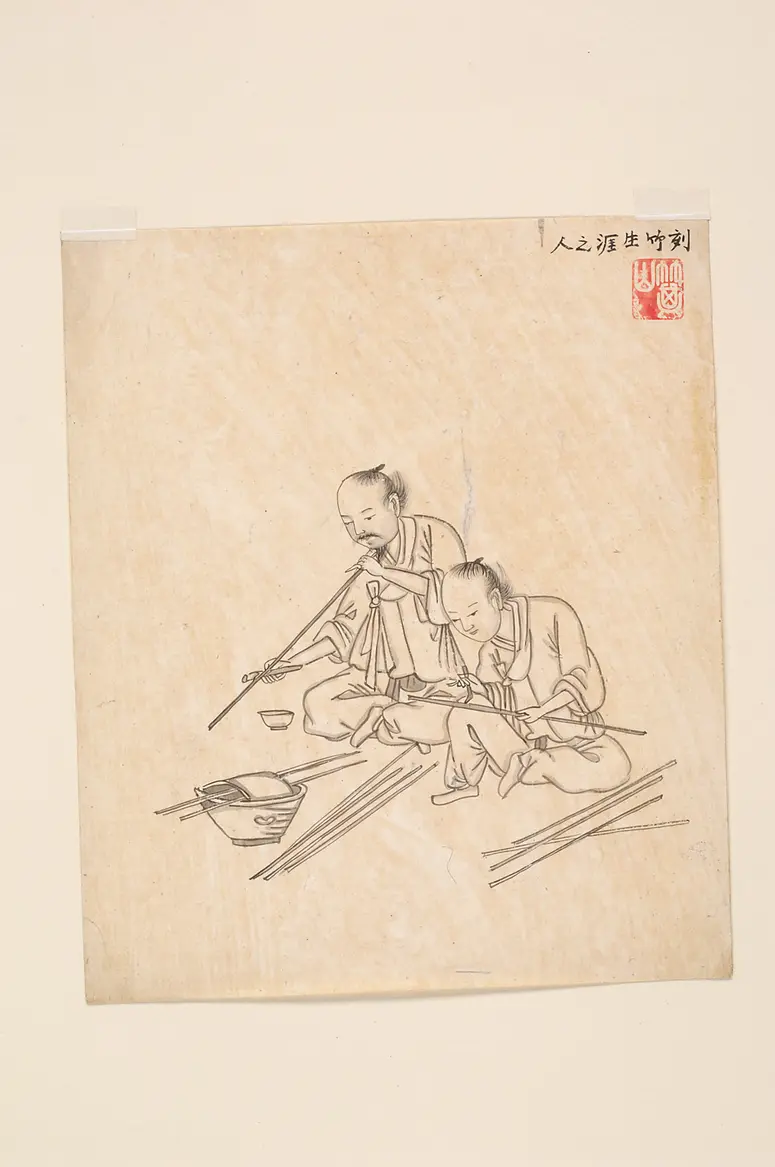
ink drawing by the workshop of Kim Jun-geun 김준근 金俊根 (Kisan 기산 箕山) Dorotheum, Wien 1. Hälfte 20. Jahrhundert
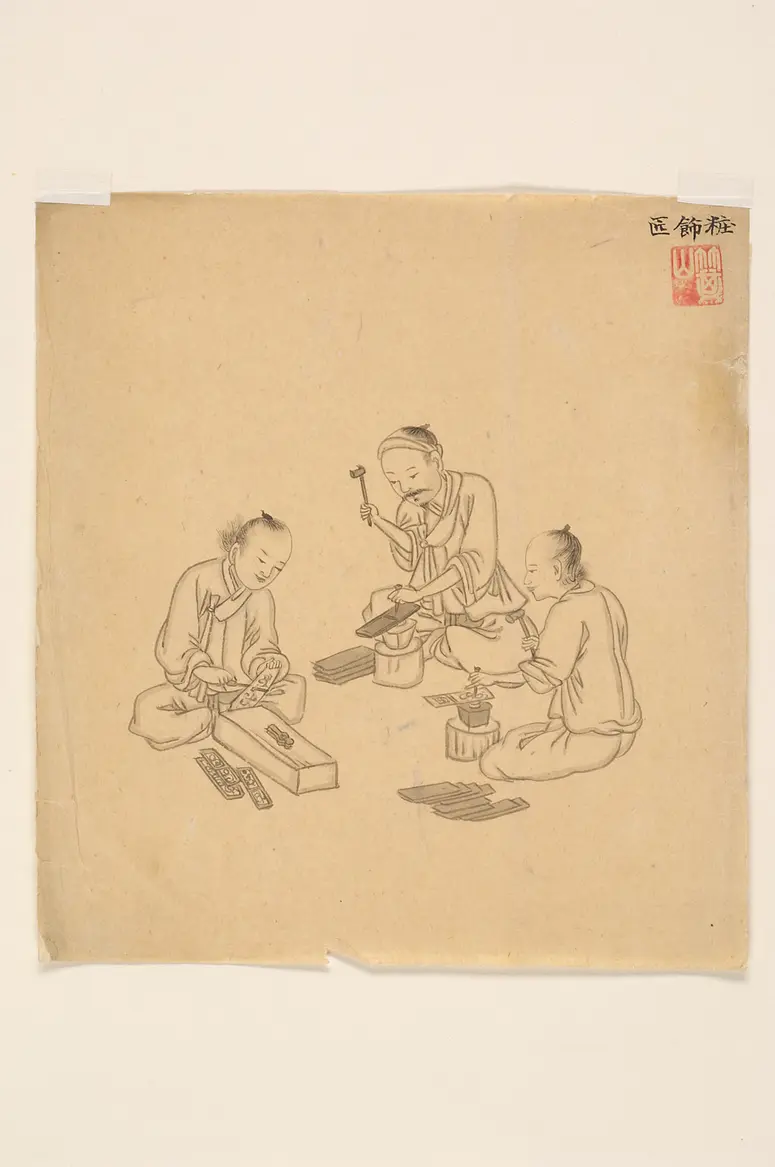
ink drawing by the workshop of Kim Jun-geun 김준근 金俊根 (Kisan 기산 箕山) Dorotheum, Wien 1. Hälfte 20. Jahrhundert
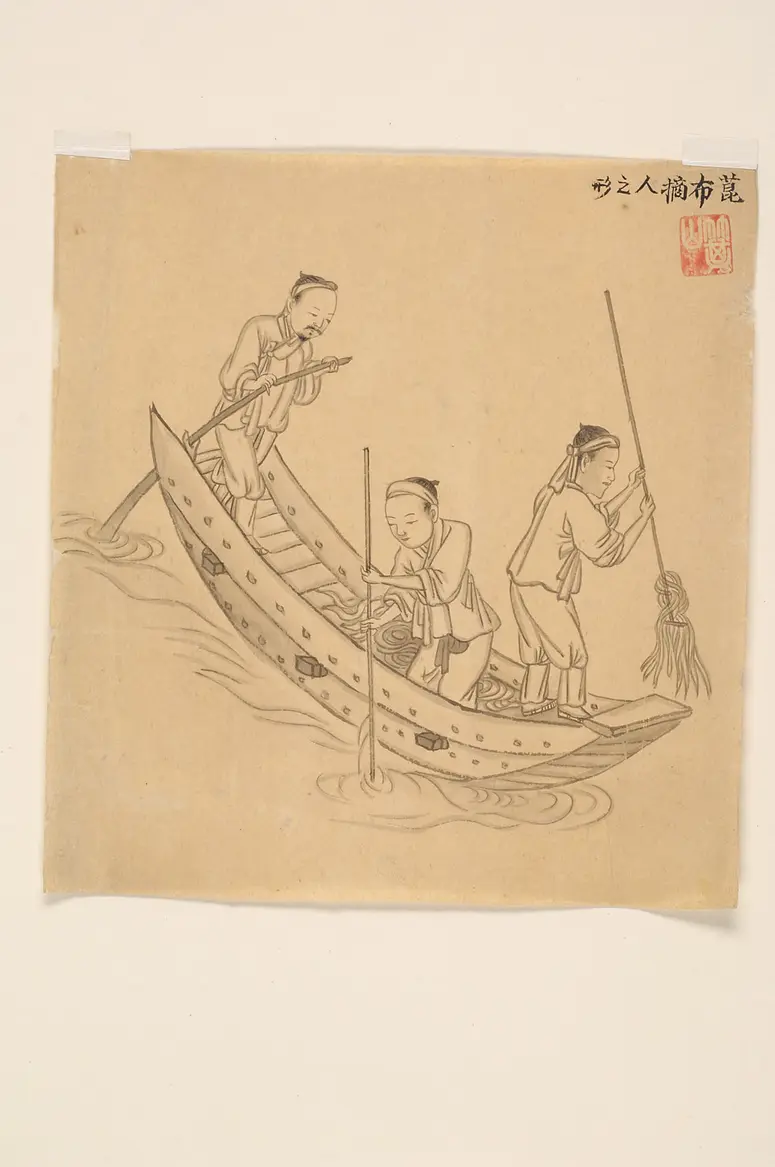
ink drawing by the workshop of Kim Jun-geun 김준근 金俊根 (Kisan 기산 箕山) Dorotheum, Wien 1. Hälfte 20. Jahrhundert
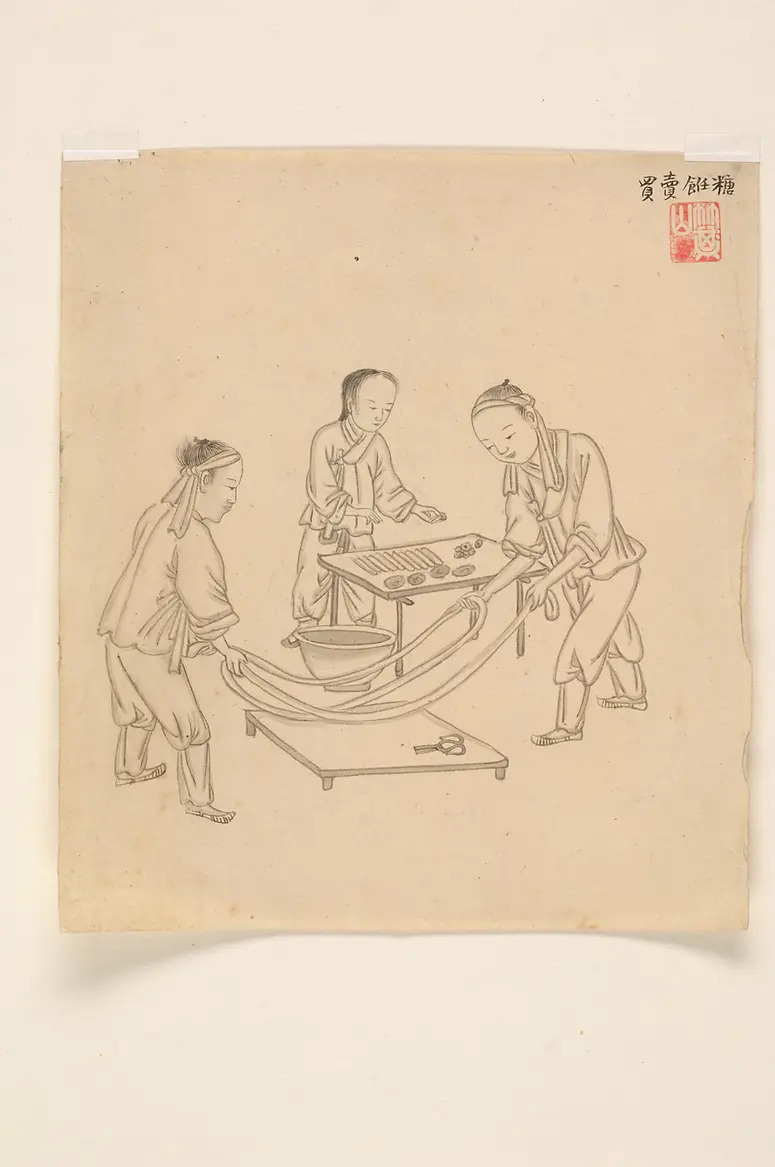
ink drawing by the workshop of Kim Jun-geun 김준근 金俊根 (Kisan 기산 箕山) Dorotheum, Wien 1. Hälfte 20. Jahrhundert
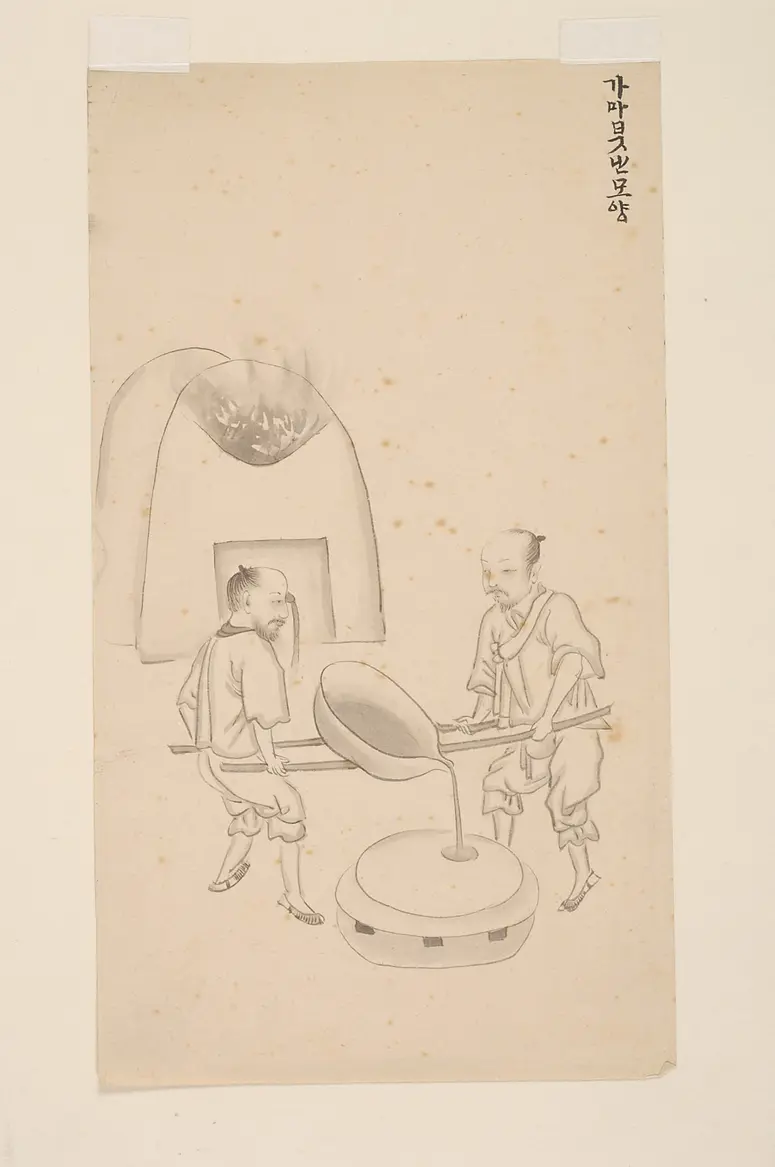
ink drawing by the workshop of Kim Jun-geun 김준근 金俊根 (Kisan 기산 箕山) Dorotheum, Wien 1. Hälfte 20. Jahrhundert