Mosque lamps
qindīl (qandīl) / qanādīl
ca. 1360 | Schloss Miramar
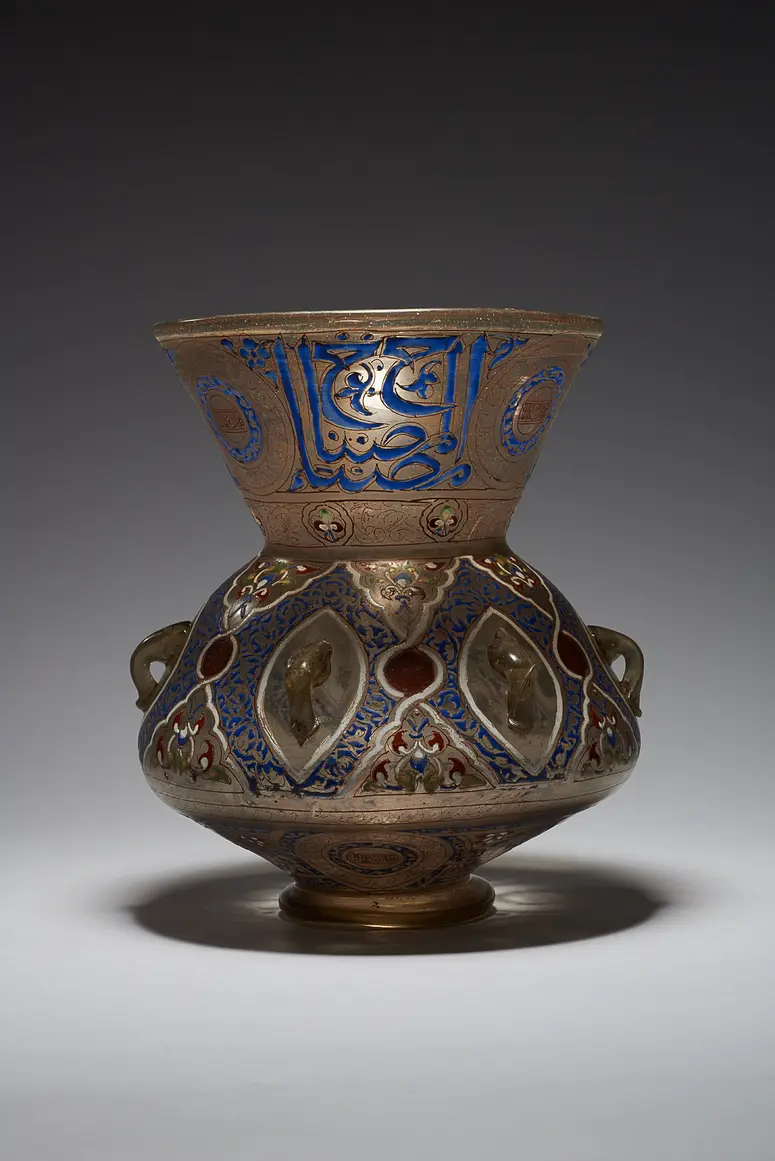
From 1356 to 1363 Sultan an-Nasir al-Hasan commissions a mosque to be erected in Cairo. At the time it was deemed to be the largest in the world. He equips it most luxuriously with mosque lamps made of enamelled glass. The most magnificent mosque lamps are produced in the workshops of Aleppo and Damascus, and their reputation extends far beyond the Islamic lands into the Western world and as far as China. In the mosque, they are suspended on fine bronze chains from the ceiling, reminiscent of the star-spangled heavens. They decorate the space more than they illuminate it. In accordance with the religious surroundings, their ornamentation is modest: some elegant arabesques, the initial lines of the famous verses of light from the Koran, a dedication to the renowned benefactor. Together with his crest, the mosque lamps should announce his generosity and his wealth. Two of these precious mosque lamps were brought out of Egypt by Archduke Ferdinand Max, the future Emperor of Mexico, probably in 1855 when the fleet of the imperial and royal military navy visited there; he embellished one of the splendid halls of his pleasure palace near Trieste with them.
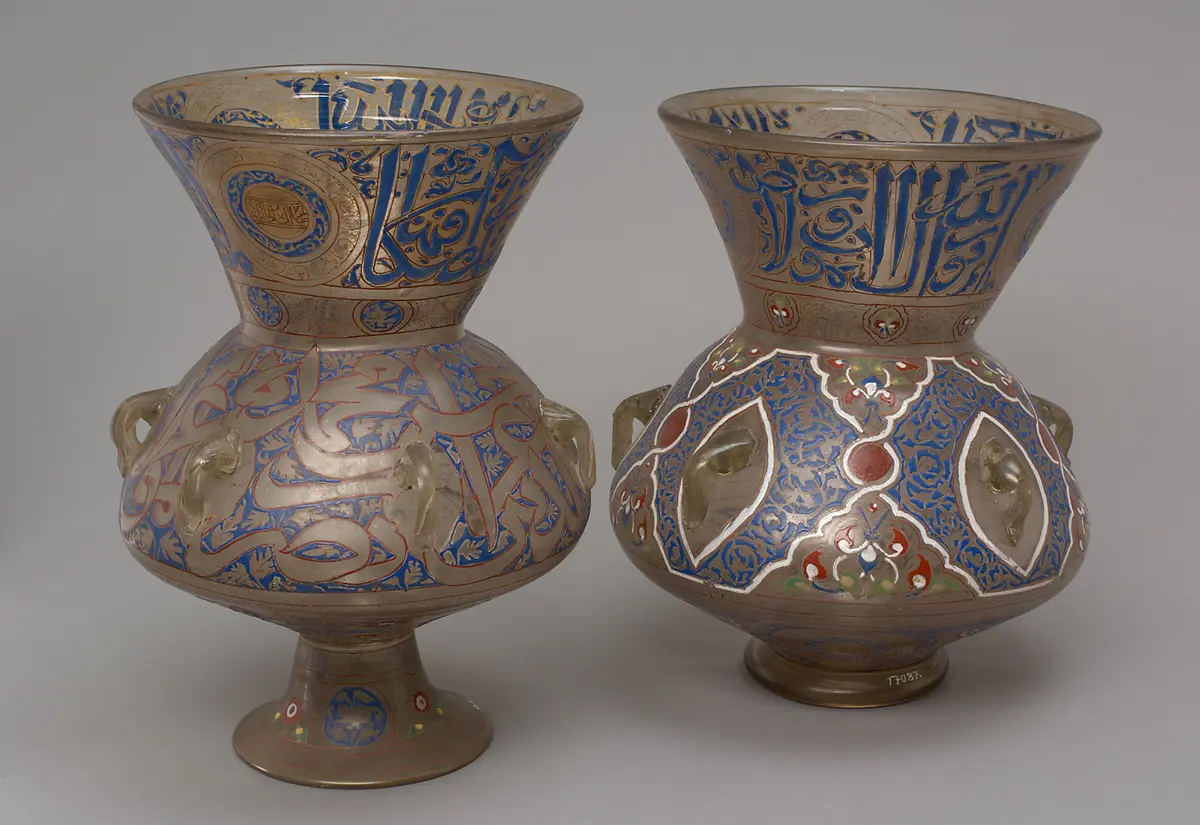
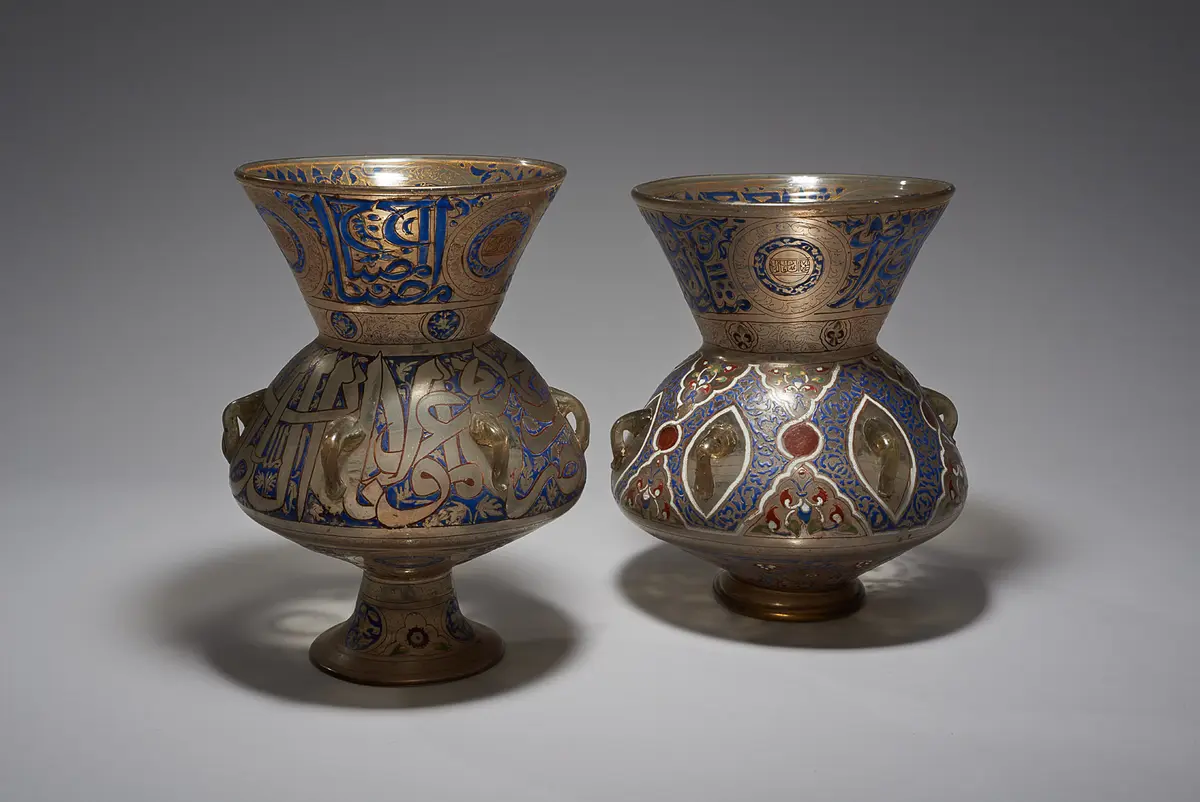
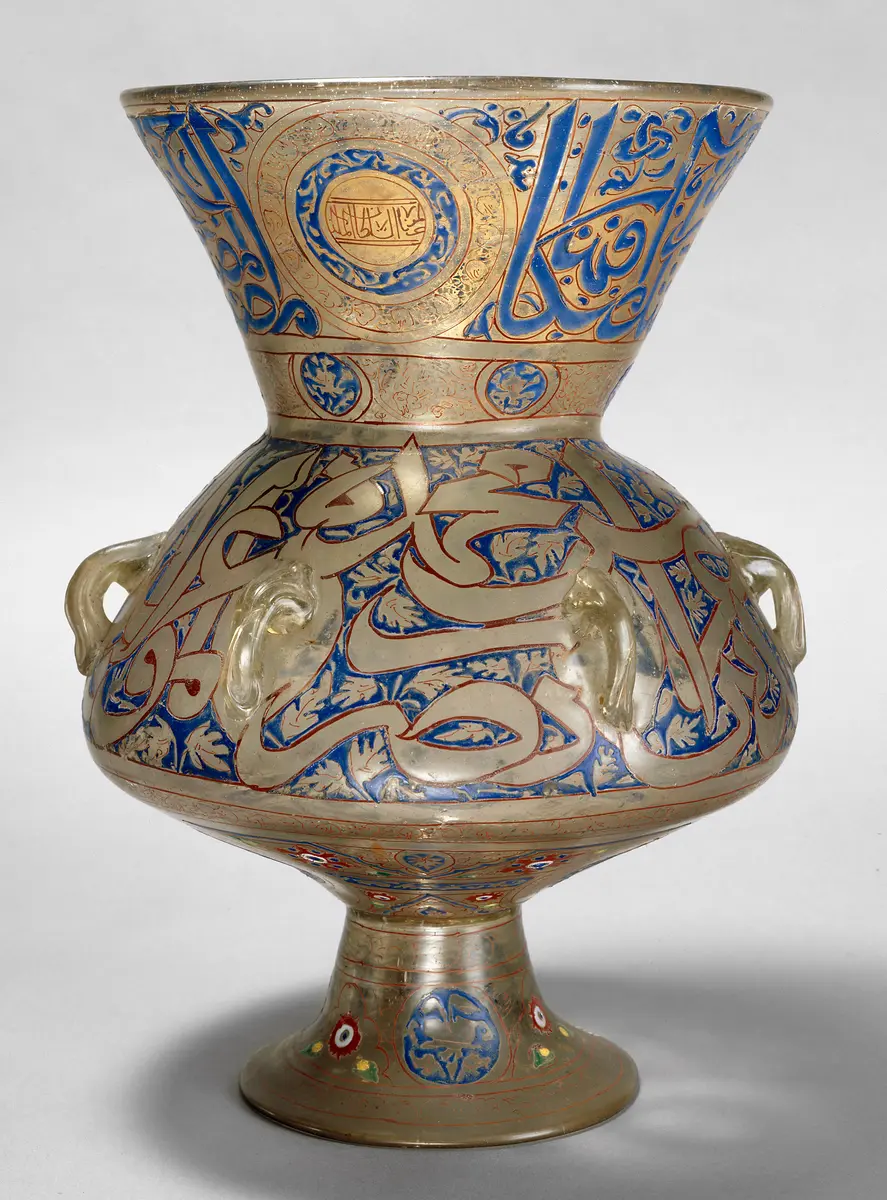
From 1356 to 1363 Sultan an-Nasir al-Hasan commissions a mosque to be erected in Cairo. At the time it was deemed to be the largest in the world. He equips it most luxuriously with mosque lamps made of enamelled glass. The most magnificent mosque lamps are produced in the workshops of Aleppo and Damascus, and their reputation extends far beyond the Islamic lands into the Western world and as far as China. In the mosque, they are suspended on fine bronze chains from the ceiling, reminiscent of the star-spangled heavens. They decorate the space more than they illuminate it. In accordance with the religious surroundings, their ornamentation is modest: some elegant arabesques, the initial lines of the famous verses of light from the Koran, a dedication to the renowned benefactor. Together with his crest, the mosque lamps should announce his generosity and his wealth. Two of these precious mosque lamps were brought out of Egypt by Archduke Ferdinand Max, the future Emperor of Mexico, probably in 1855 when the fleet of the imperial and royal military navy visited there; he embellished one of the splendid halls of his pleasure palace near Trieste with them.
Collection:
Schloss Miramar
Accession via:
Ferdinand Max von Österreich (Maximilian von Mexiko) (1832 Wien - 1867 Querétaro (Mexiko)) DNB
Time:
ca. 1360
Entry Date:
1883
Object Name
Mosque lamps
Culture
Egypt, Cairo; Bahri-Mamluk
Material/technology:
Glass, enamel, gold
Dimensions:
H. 39.5 cm and 37 cm
Copyright
Weltmuseum Wien
Collection area
North Africa, Middle East, Central Asia and Siberia
Invs.
17086 und 17087
Browse more Similar items you might be interested in
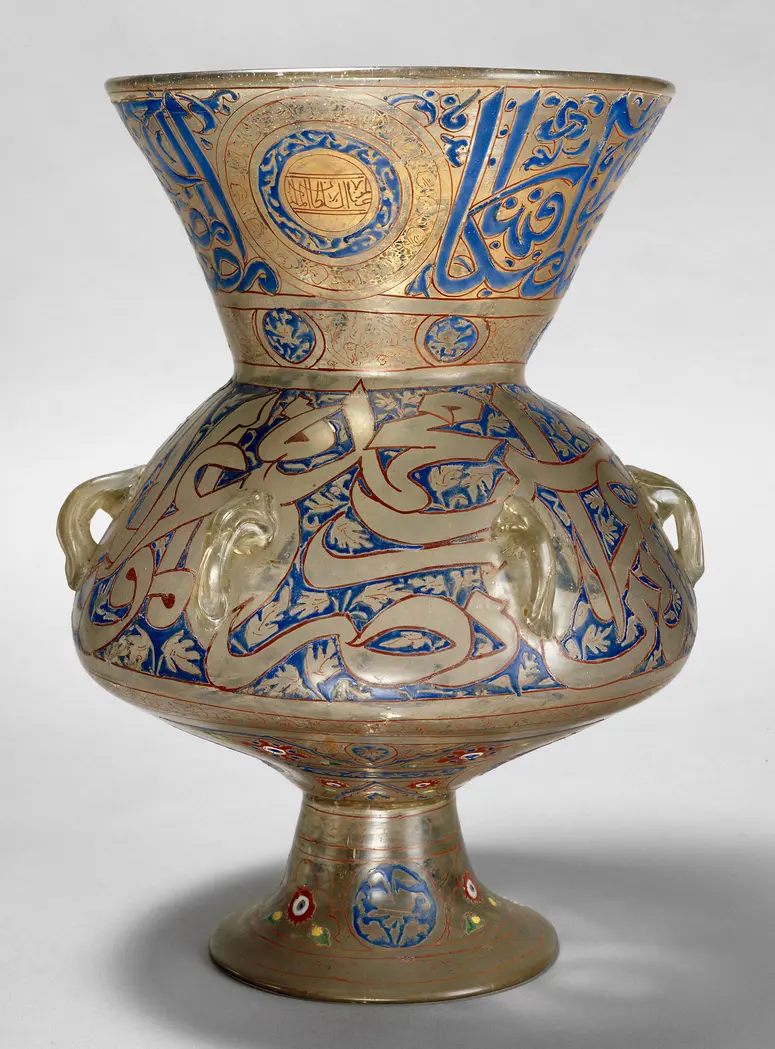
Mosque lamp Schloss Miramar ca. 1360
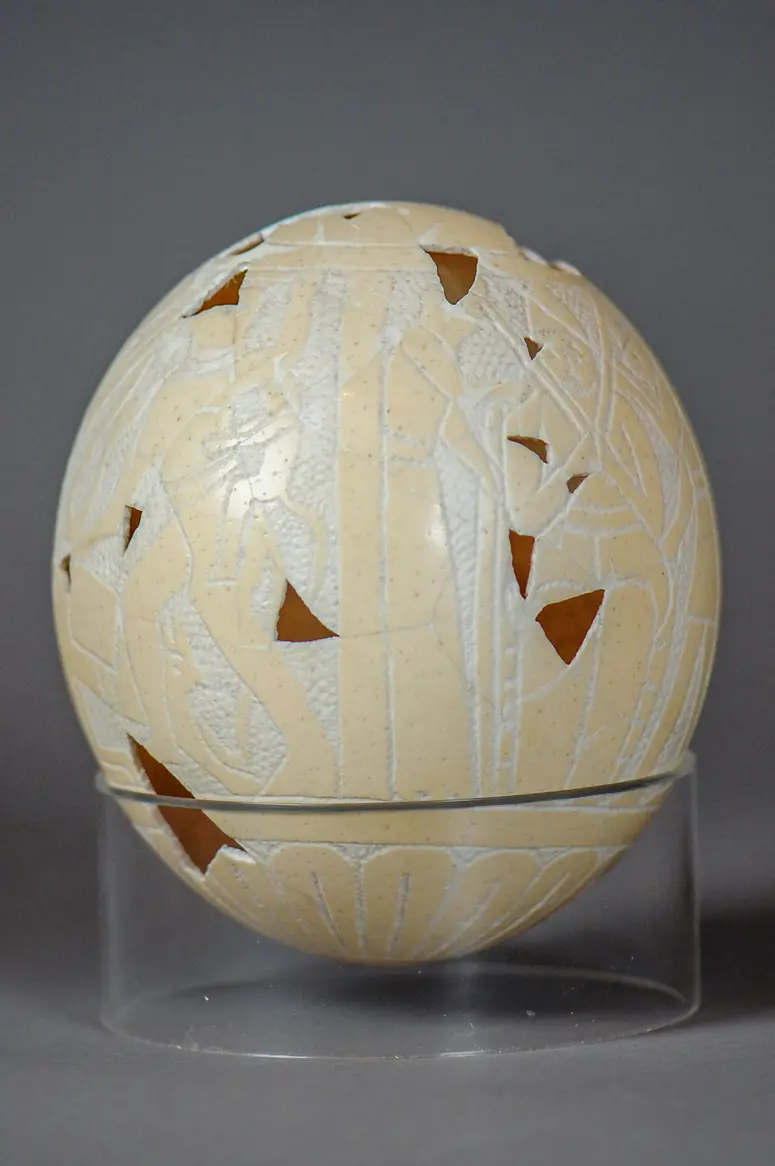
Ostrich egg with relief carvings based on antique Egyptian motifs Sophie Deutsch ca. 1900
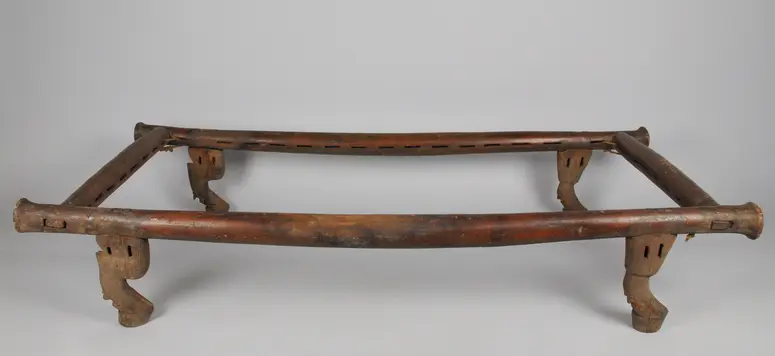
Altägyptisches Bett ohne Bespannung Kronprinz Rudolf von Österreich-Ungarn
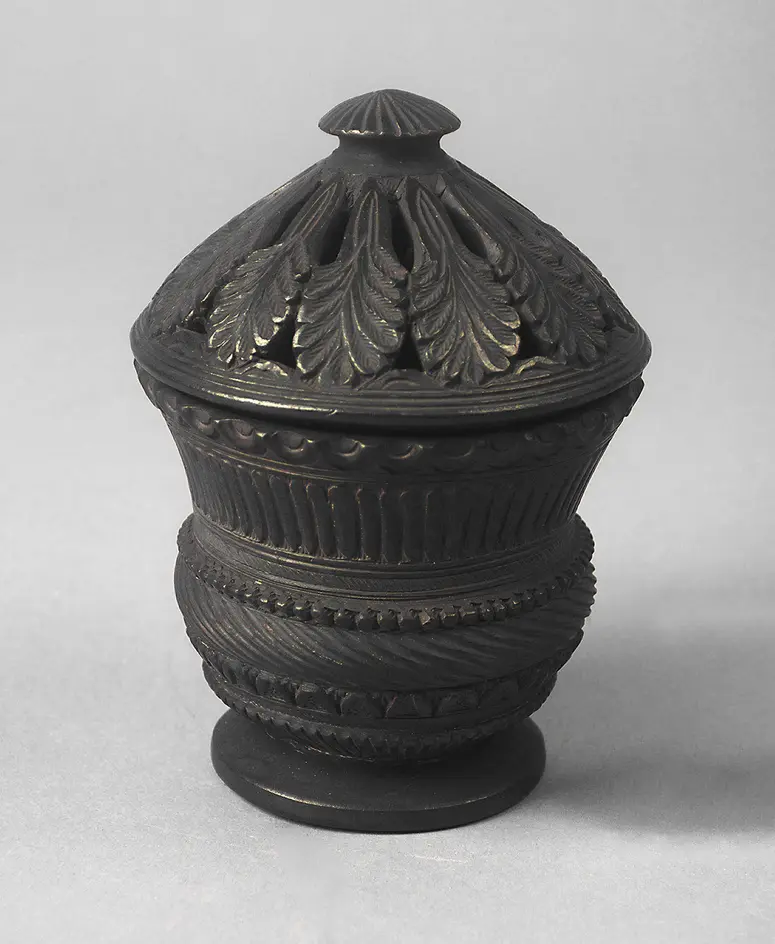
Incense burner Schloss Miramar ca. 1855
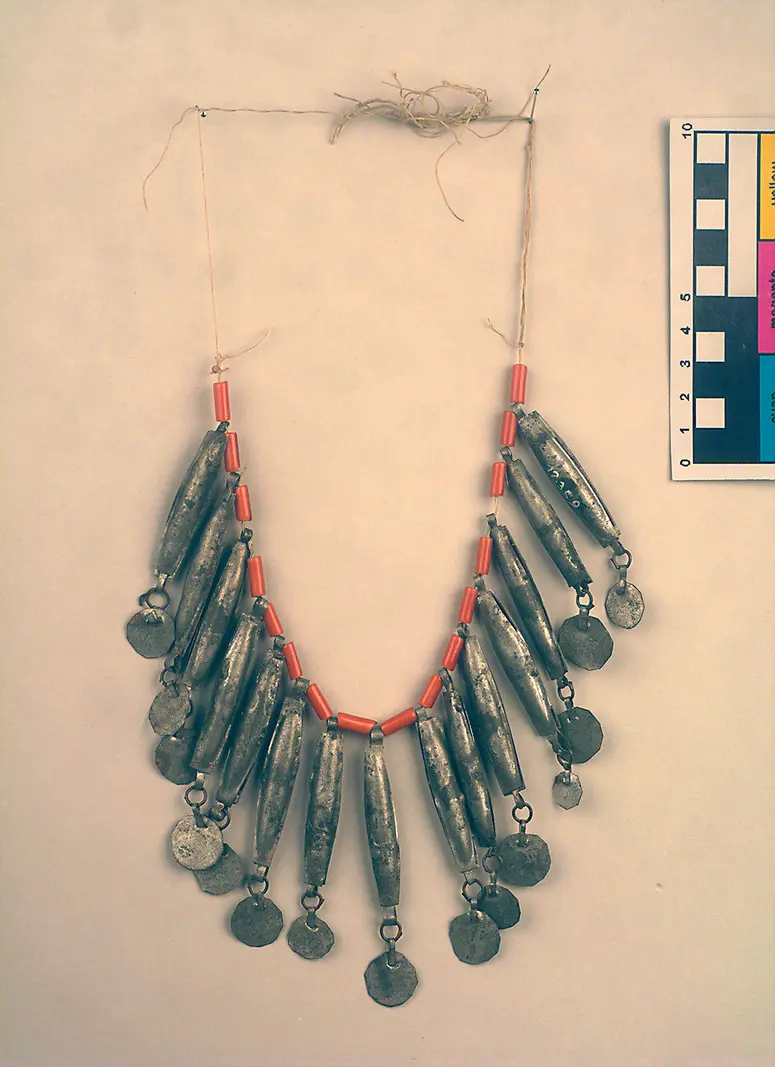
Necklace Kronprinz Rudolf von Österreich-Ungarn 1881 or earlier
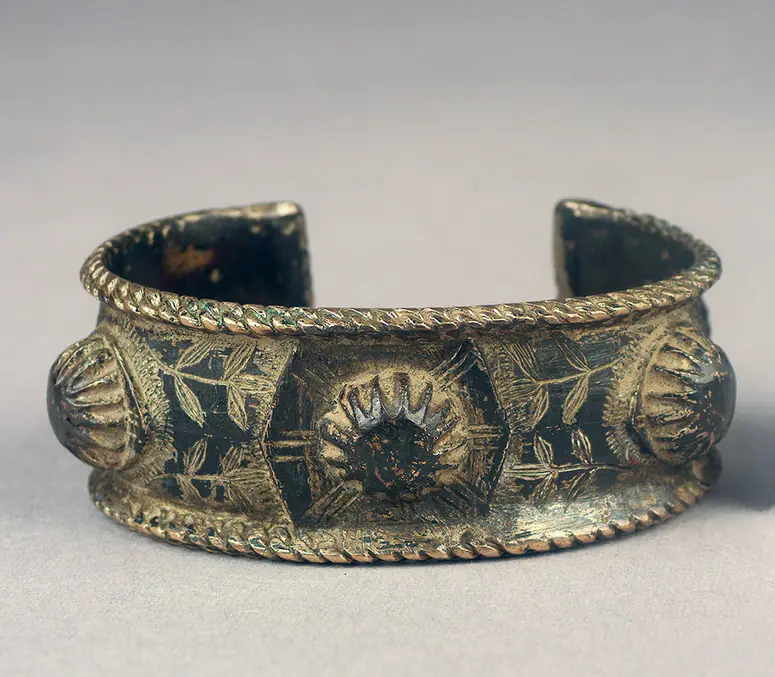
Bracelet with engraved ornaments Kronprinz Rudolf von Österreich-Ungarn 1881 or earlier
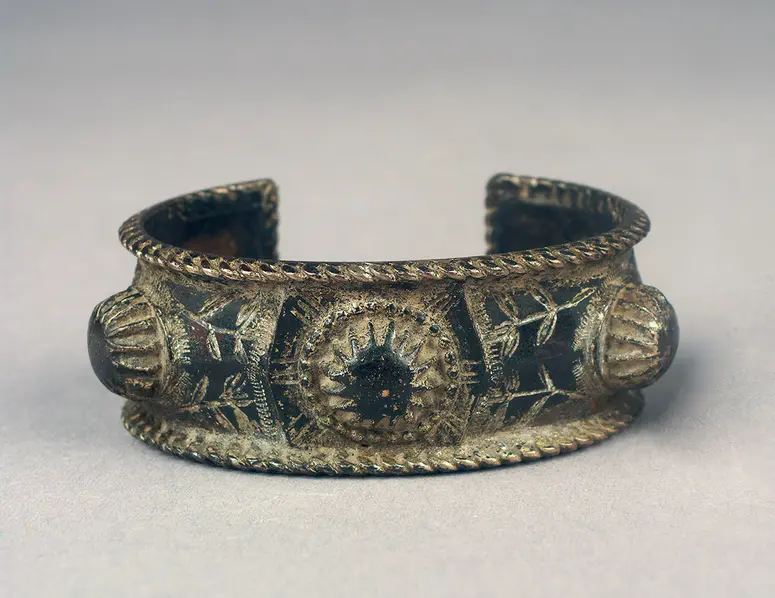
Bracelet with engraved ornaments Kronprinz Rudolf von Österreich-Ungarn 1881 or earlier
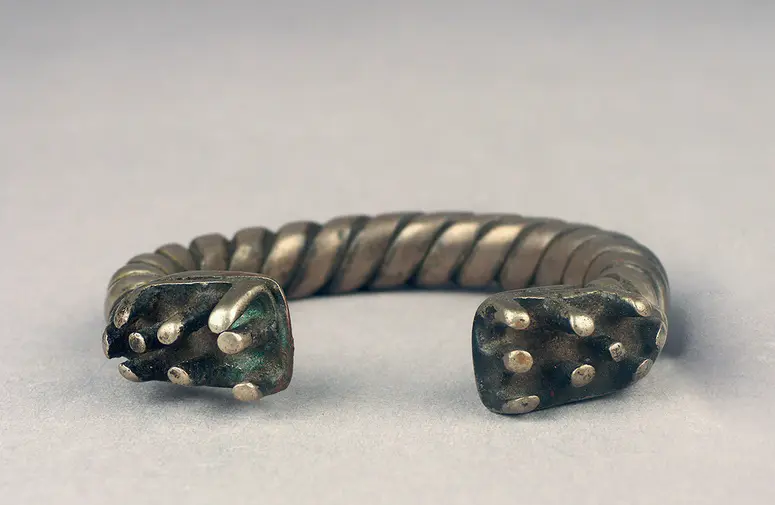
Bracelet with engraved ornaments Kronprinz Rudolf von Österreich-Ungarn 1881 or earlier
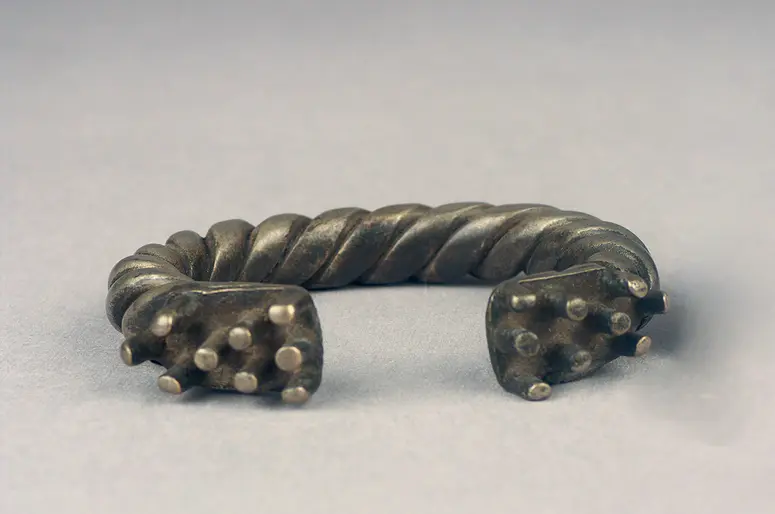
Bracelet with engraved ornaments Kronprinz Rudolf von Österreich-Ungarn 1881 or earlier