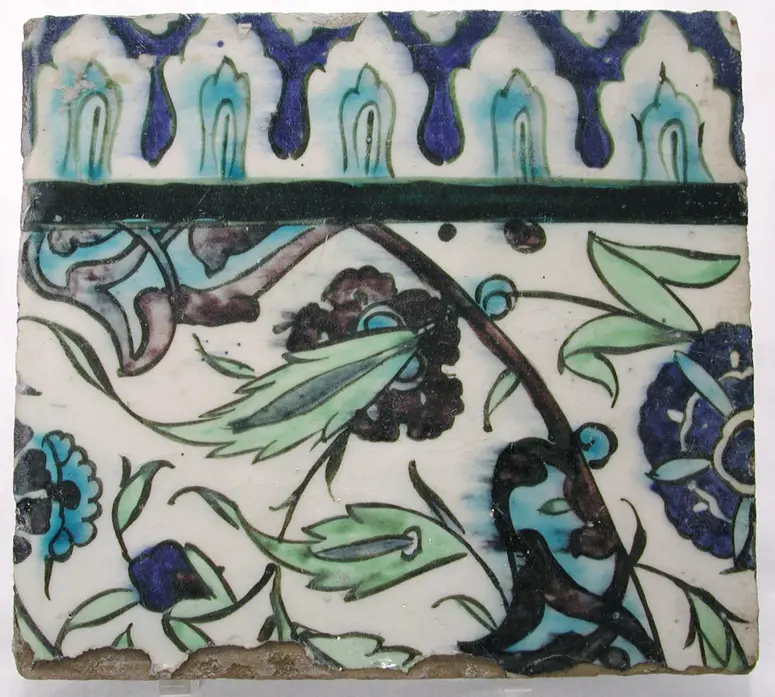
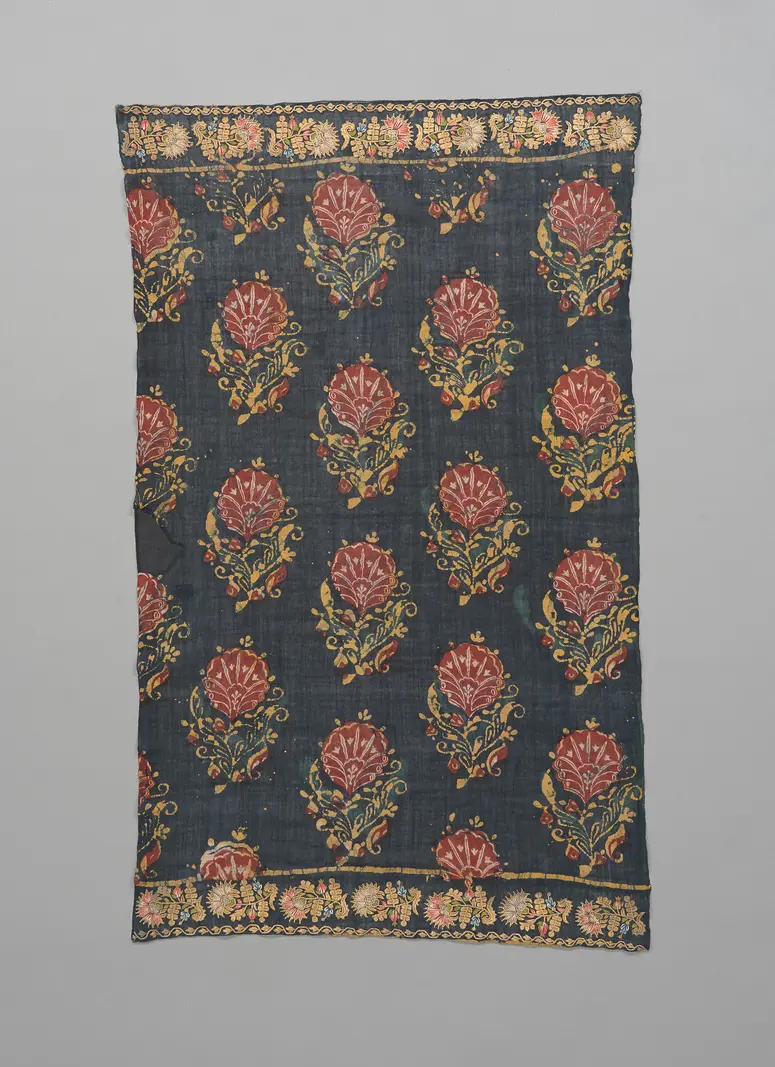
Ottoman tile
17th century | Österreichisches Handelsmuseum, Wien
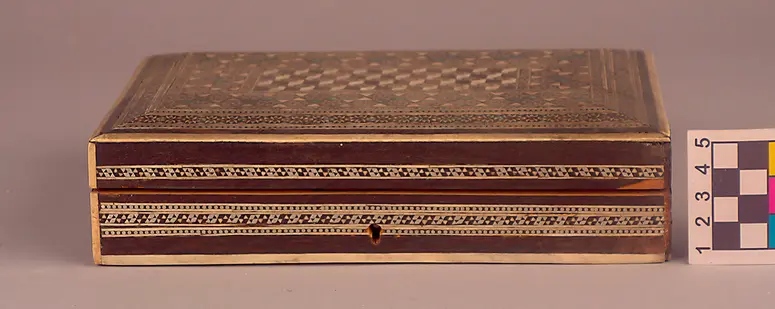
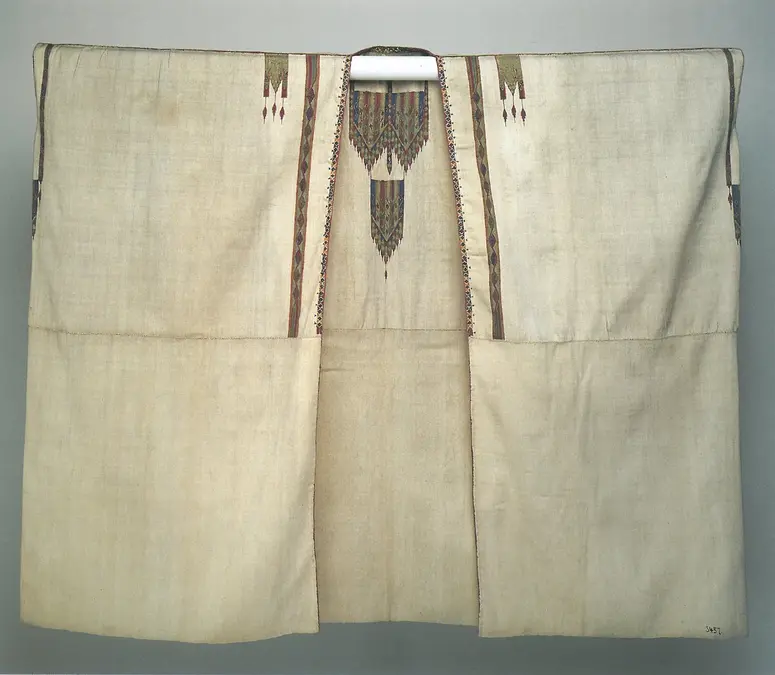
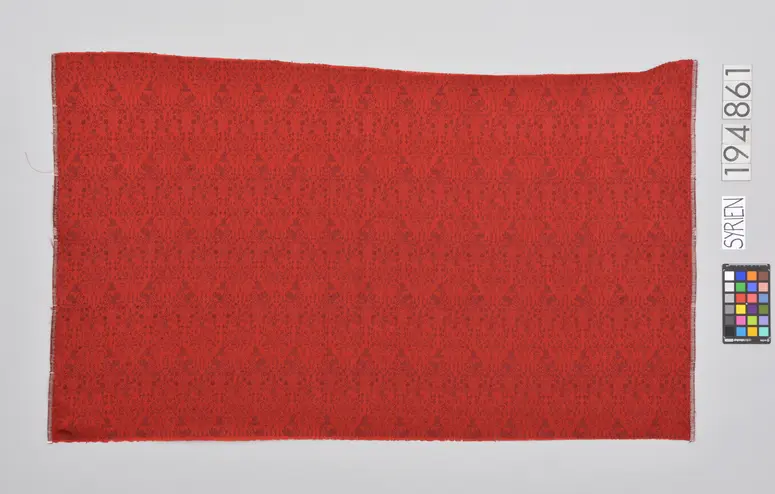
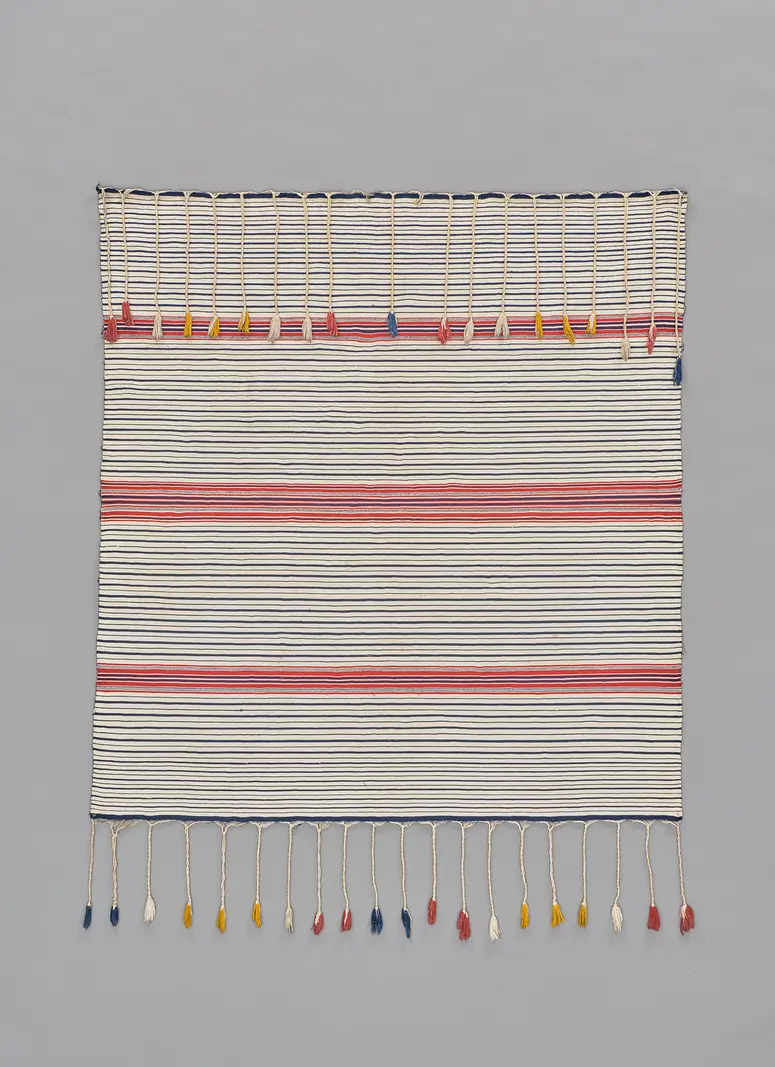
The 1873 Vienna World´s Fair provides substantial momentum for the popularisation of oriental style and fashion in middle-class society. At the same time, domestic handicrafts are to be revitalised by drawing inspiration from the ample supply of exotic materials. Everything is “Orientalised”, from the timeless child’s fork to simple sofas and chairs. The Oriental Museum, founded in 1875, is intended to boost trade with the Orient; its basic inventory of arts and crafts is taken from the World‘s Fair. Eleven years later, the Oriental Museum is renamed the ‘Austrian Commercial Museum’. When Europe begins to flood the market with domestically produced and Orientalised articles, the exotic flavour of the Orient has already lost its magic. In 1925, the Austrian Commercial Museum is dissolved.

The 1873 Vienna World´s Fair provides substantial momentum for the popularisation of oriental style and fashion in middle-class society. At the same time, domestic handicrafts are to be revitalised by drawing inspiration from the ample supply of exotic materials. Everything is “Orientalised”, from the timeless child’s fork to simple sofas and chairs. The Oriental Museum, founded in 1875, is intended to boost trade with the Orient; its basic inventory of arts and crafts is taken from the World‘s Fair. Eleven years later, the Oriental Museum is renamed the ‘Austrian Commercial Museum’. When Europe begins to flood the market with domestically produced and Orientalised articles, the exotic flavour of the Orient has already lost its magic. In 1925, the Austrian Commercial Museum is dissolved.
Collection:
Österreichisches Handelsmuseum, Wien
Reference/Institution:
Wiener Weltausstellung (1873) DNB
Time:
17th century
Entry Date:
1925
Object Name
Ottoman tile
Culture
Syria
Material/technology:
Ceramic
Dimensions:
L. 23.3 cm, W. 21.8 cm, H. 2.5 cm
Copyright
Weltmuseum Wien
Collection area
North Africa, Middle East, Central Asia and Siberia
Geography
Westasien/Vorderer Orient/Syrien
Invs.
119978_a