Save object
You may download and use the image for private purposes. Nutzungsbedingungen & AGBs
To request to use the image for commercial or academic purposes, please send us a reproduction request
Save object
You may download and use the image for private purposes. Nutzungsbedingungen & AGBs
To request to use the image for commercial or academic purposes, please send us a reproduction request
Save object
You may download and use the image for private purposes. Nutzungsbedingungen & AGBs
To request to use the image for commercial or academic purposes, please send us a reproduction request
Save object
You may download and use the image for private purposes. Nutzungsbedingungen & AGBs
To request to use the image for commercial or academic purposes, please send us a reproduction request
Save object
You may download and use the image for private purposes. Nutzungsbedingungen & AGBs
To request to use the image for commercial or academic purposes, please send us a reproduction request
Save object
You may download and use the image for private purposes. Nutzungsbedingungen & AGBs
To request to use the image for commercial or academic purposes, please send us a reproduction request
Save object
You may download and use the image for private purposes. Nutzungsbedingungen & AGBs
To request to use the image for commercial or academic purposes, please send us a reproduction request
Save object
You may download and use the image for private purposes. Nutzungsbedingungen & AGBs
To request to use the image for commercial or academic purposes, please send us a reproduction request
Saltcellar
15th/ 16th century | Ambras
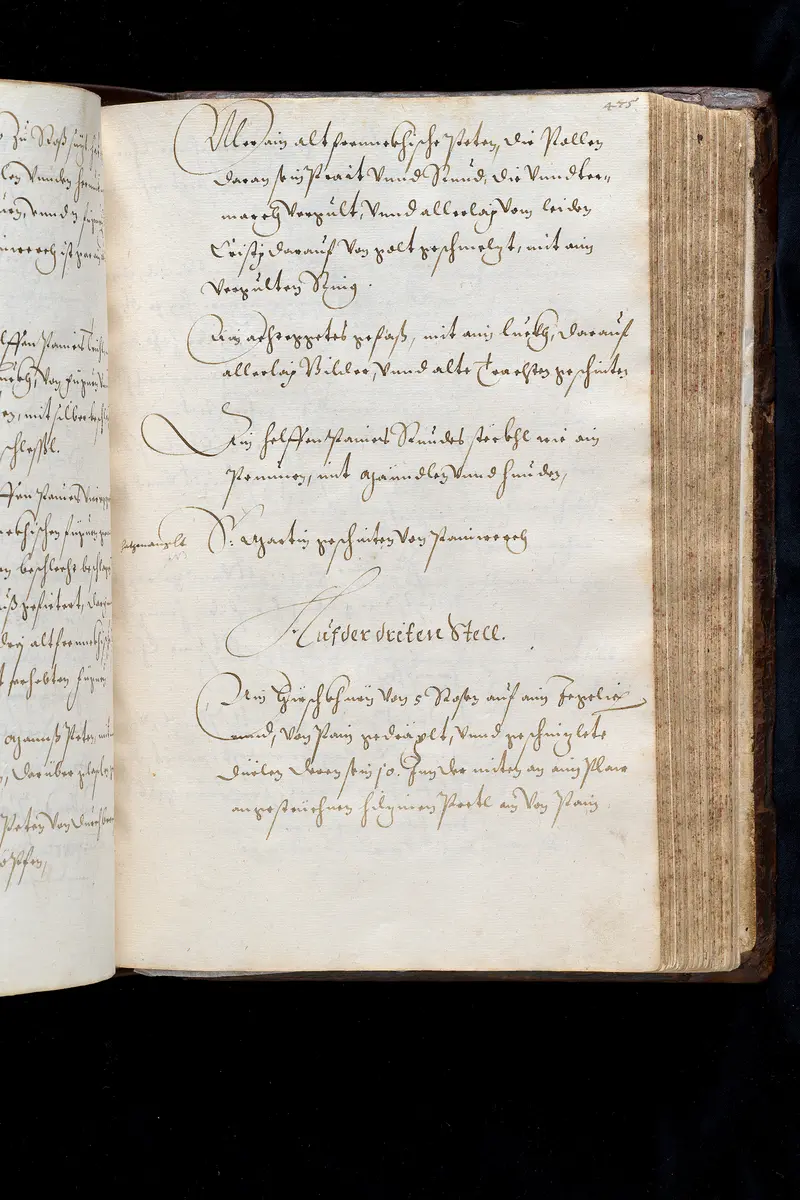
The fine saltcellar is described as ”a round column of ivory like a fountain with little men and dogs, all faulty and inadequate” in the inventory of Ambras. Such cup-shaped topped containers were used as decorative saltcellars in European Renaissance courts. As commissioned works they were produced in Africa and are modelled in the style of European topped cups of the 15th and 16th centuries while clearly displaying elements of African iconography. The Sapi-Portuguese ivory objects are among the earliest works of African art that came to Europe.
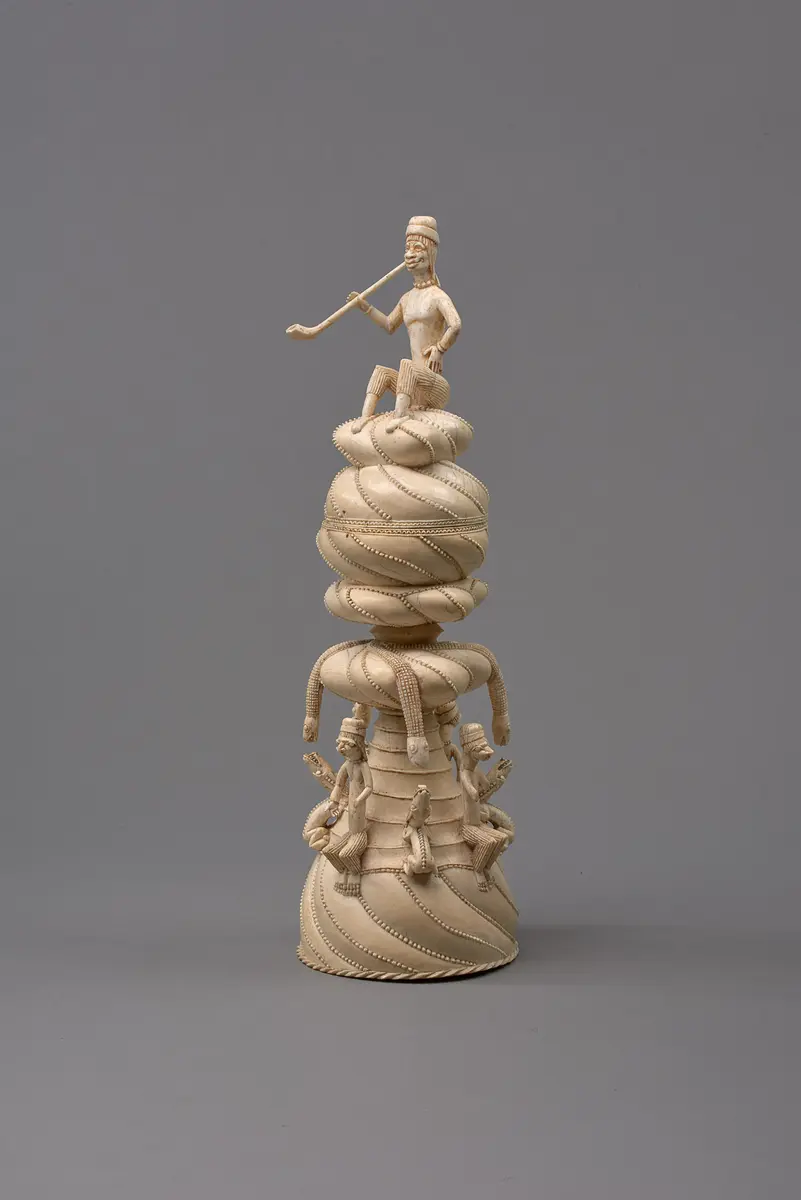
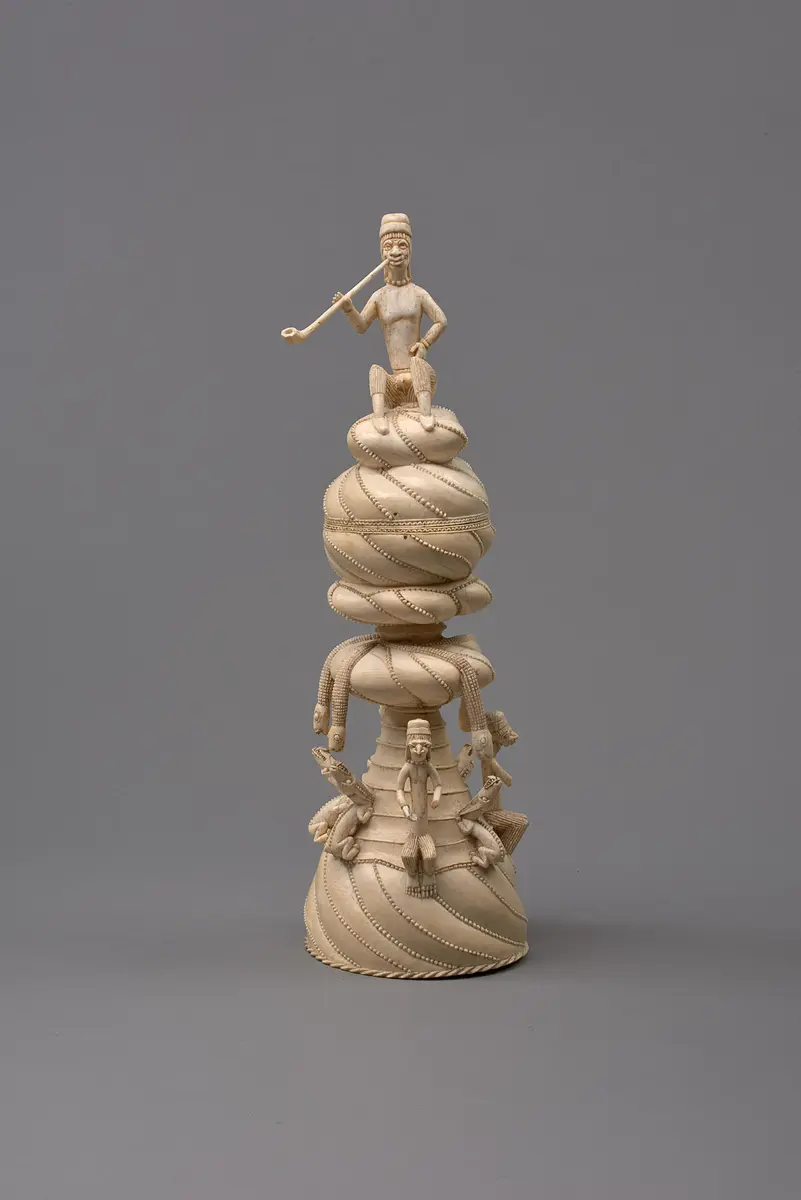
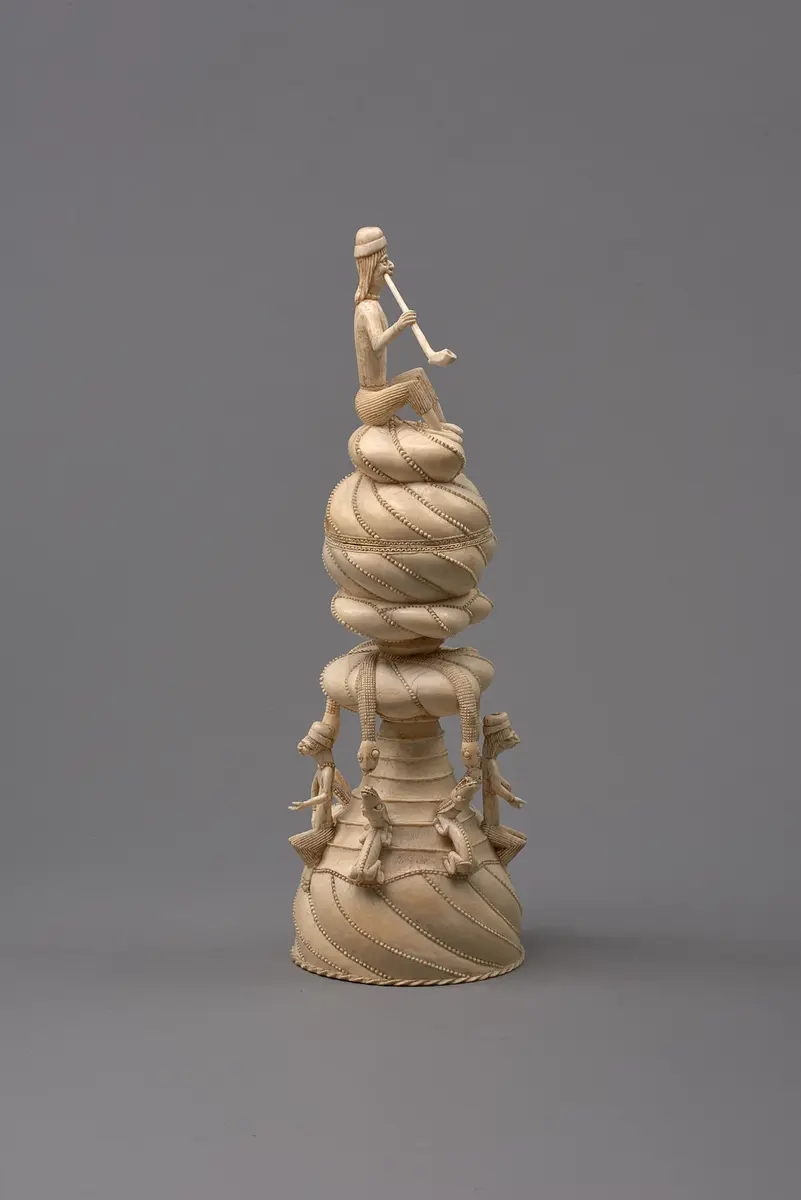
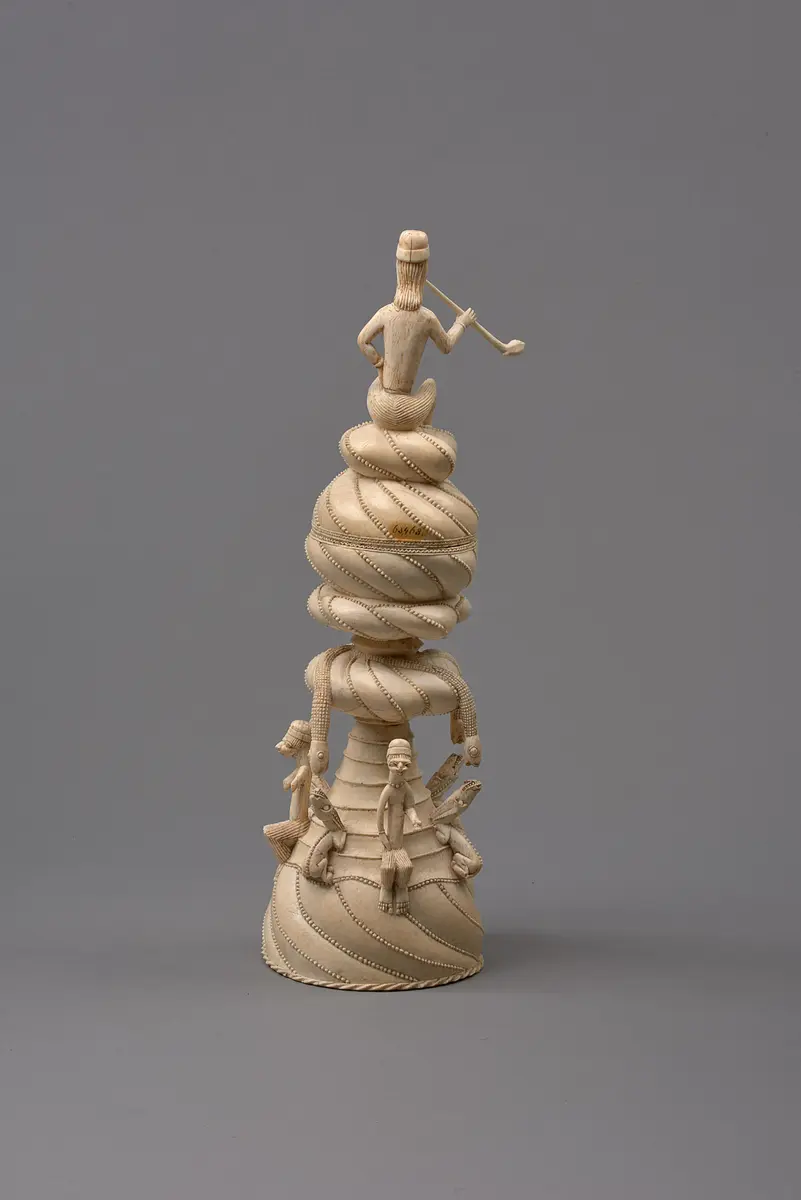
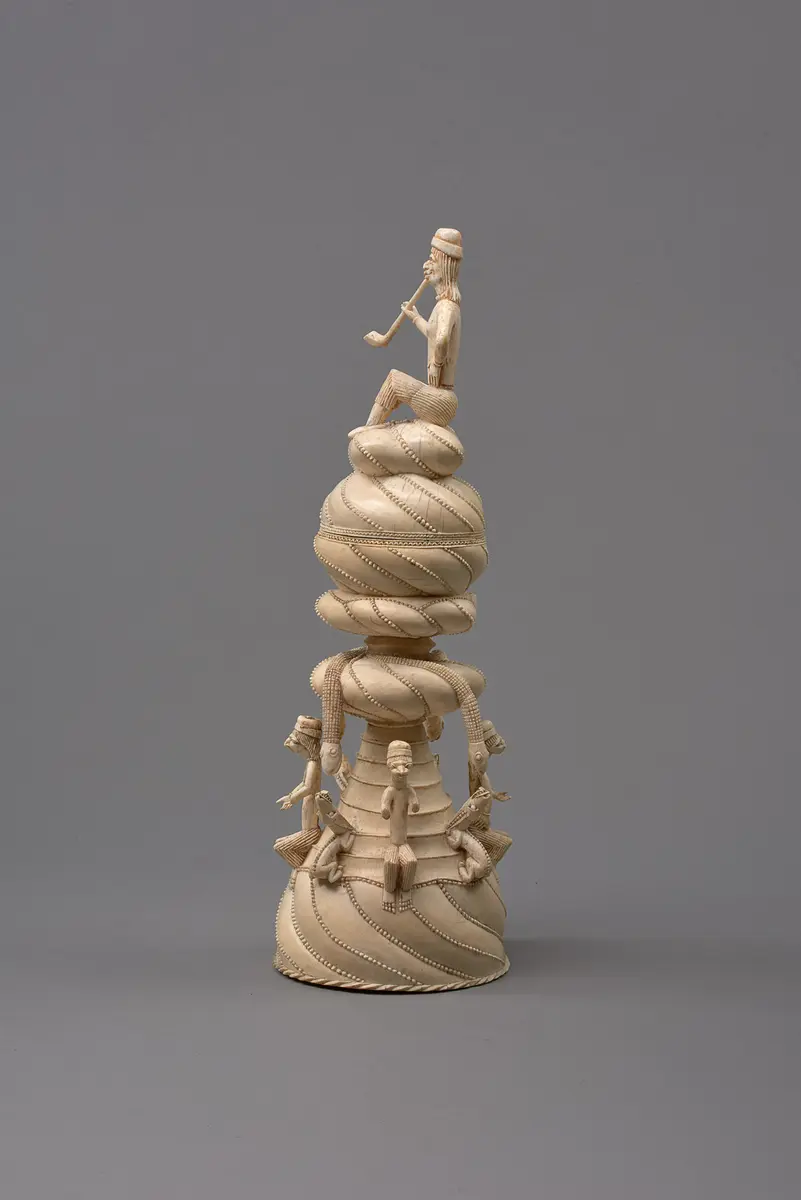
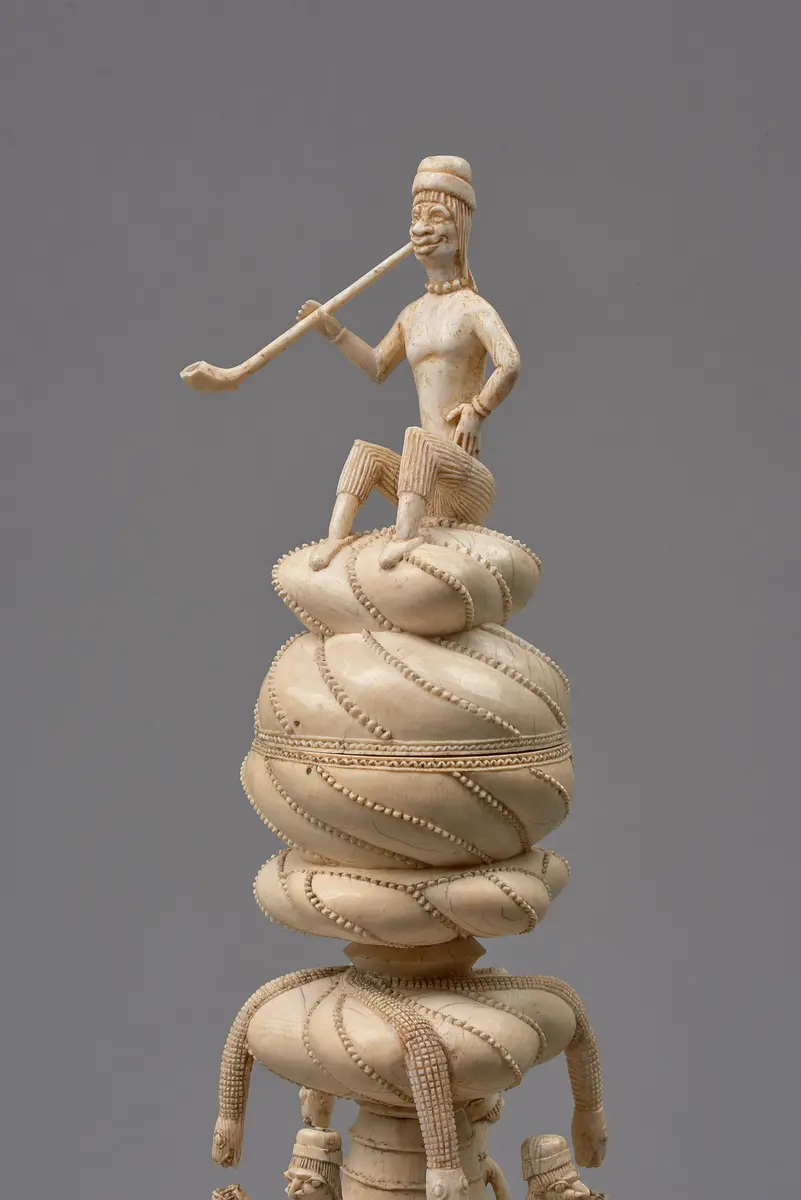
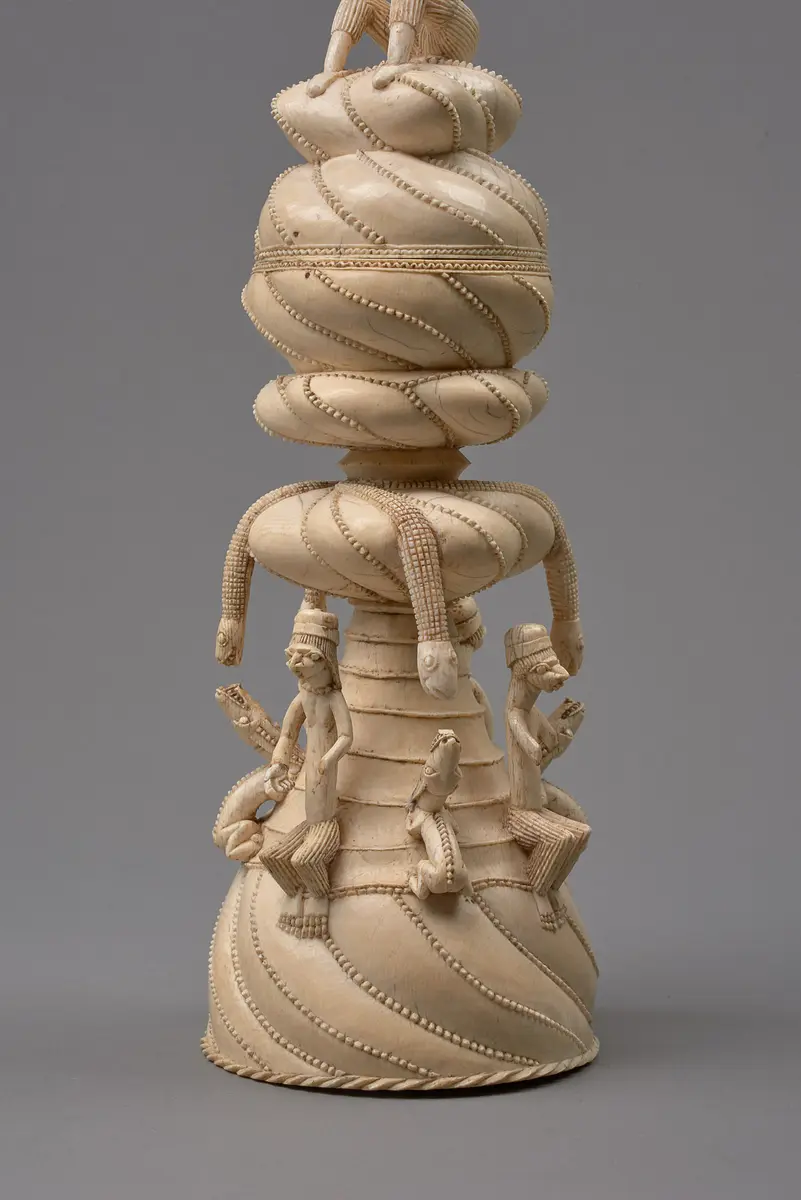
The fine saltcellar is described as ”a round column of ivory like a fountain with little men and dogs, all faulty and inadequate” in the inventory of Ambras. Such cup-shaped topped containers were used as decorative saltcellars in European Renaissance courts. As commissioned works they were produced in Africa and are modelled in the style of European topped cups of the 15th and 16th centuries while clearly displaying elements of African iconography. The Sapi-Portuguese ivory objects are among the earliest works of African art that came to Europe.
Collection:
Ambras DNBarrow_outward
Artist:
Unbekannter Meister der Sapi
Time:
15th/ 16th century
Entry Date:
1898
Object Name
Saltcellar
Culture
Sapi-Portuguese
Material/technology:
Ivory
Copyright
Weltmuseum Wien
Collection area
Sub-Saharan Africa
Invs.
63468
Provenance
Kunstkammer Fol. 475r
Browse more Similar items you might be interested in
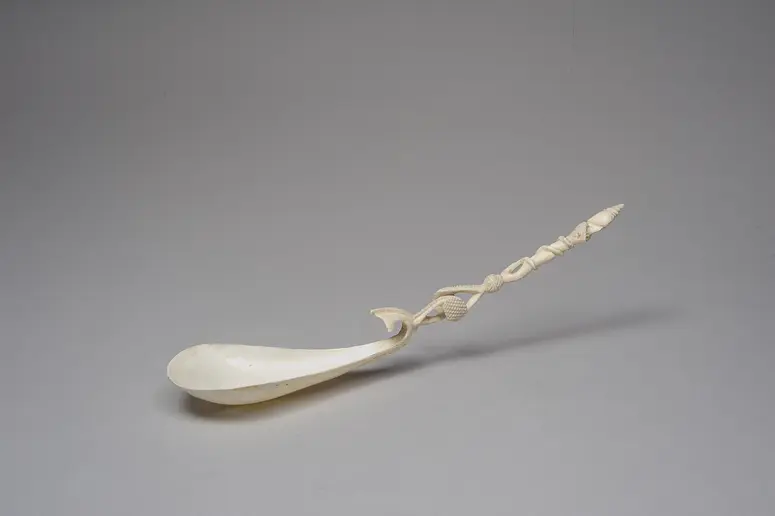
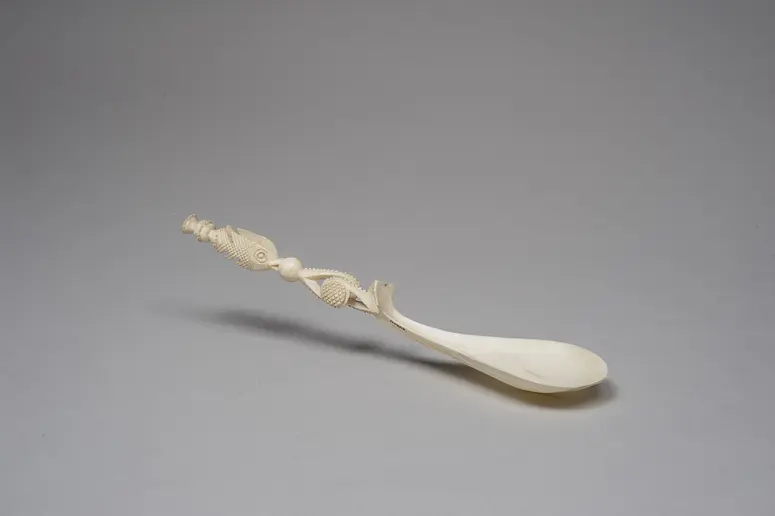
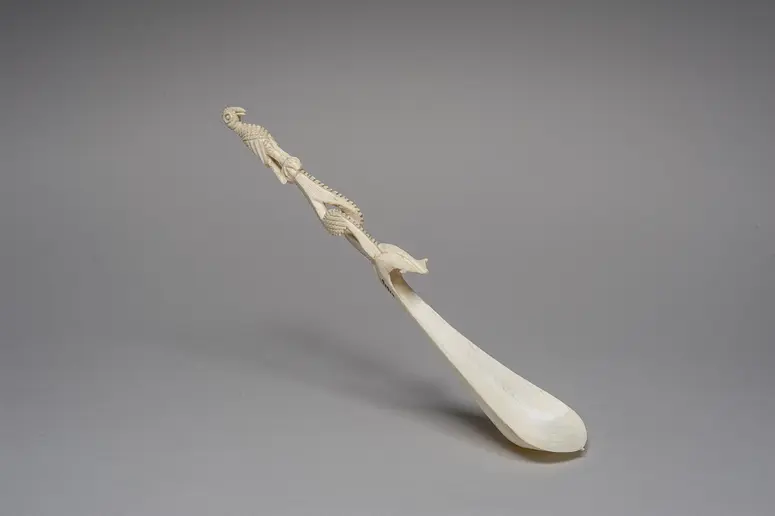
Bini-Portuguese Spoon Österreichisches Kaiserhaus (k. u. k. Monarchie) 16th century

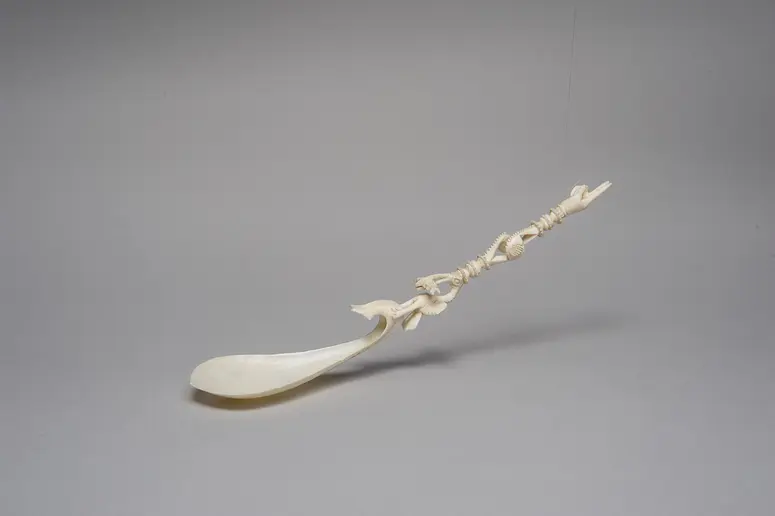
Bini-Portuguese Spoon Österreichisches Kaiserhaus (k. u. k. Monarchie) 16th century

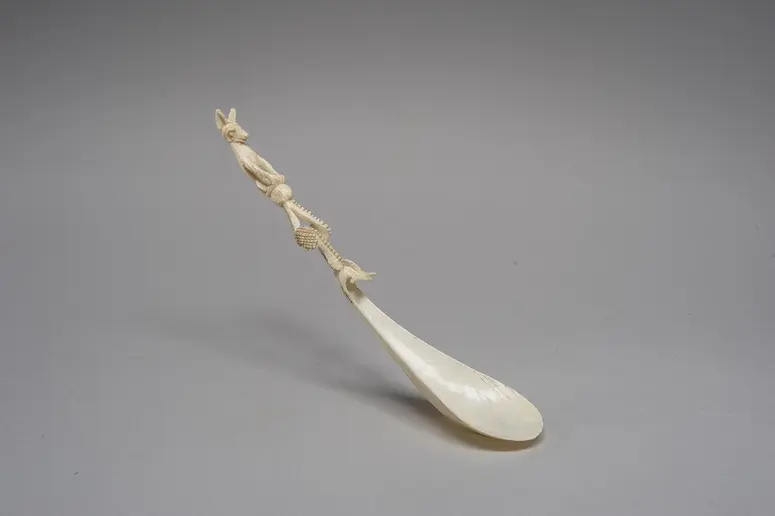
Bini-Portuguese Spoon Österreichisches Kaiserhaus (k. u. k. Monarchie) 16th century

Bini-Portuguese Spoon Österreichisches Kaiserhaus (k. u. k. Monarchie) 16th century

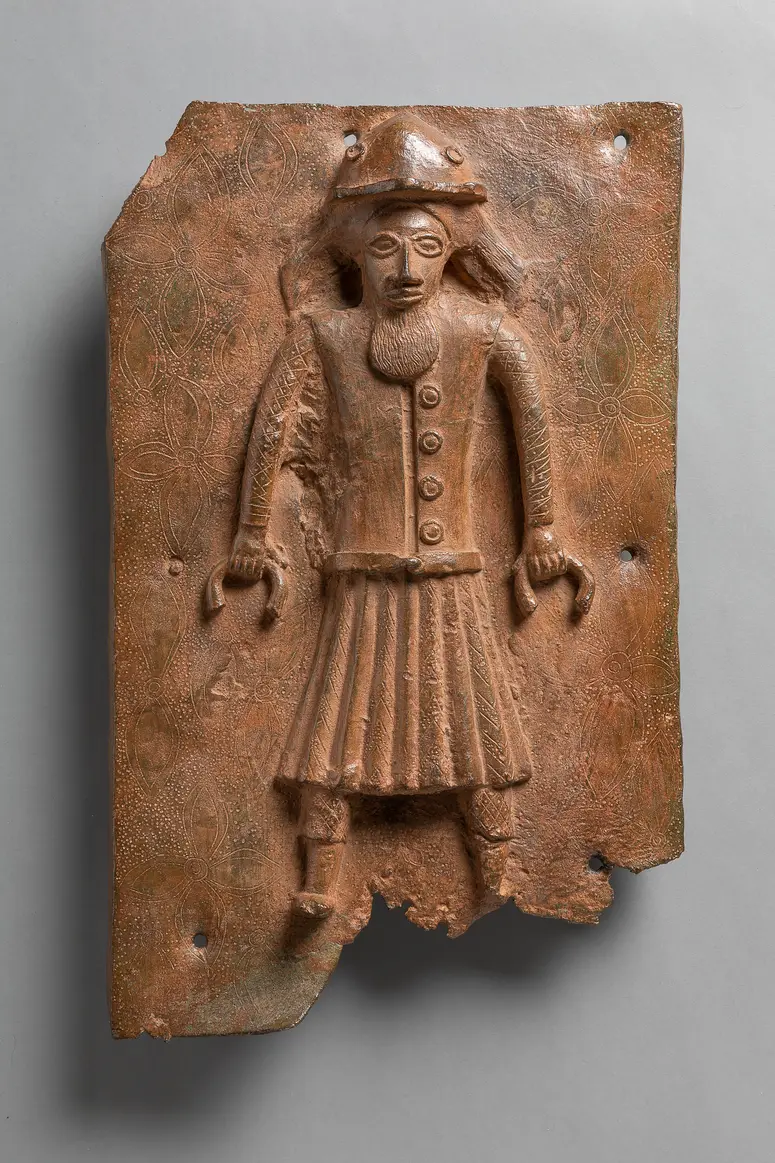
Relief Plaque: Portuguese with Linstock and Five Manillas Wilhelm Albert Maschmann 16th/17th century
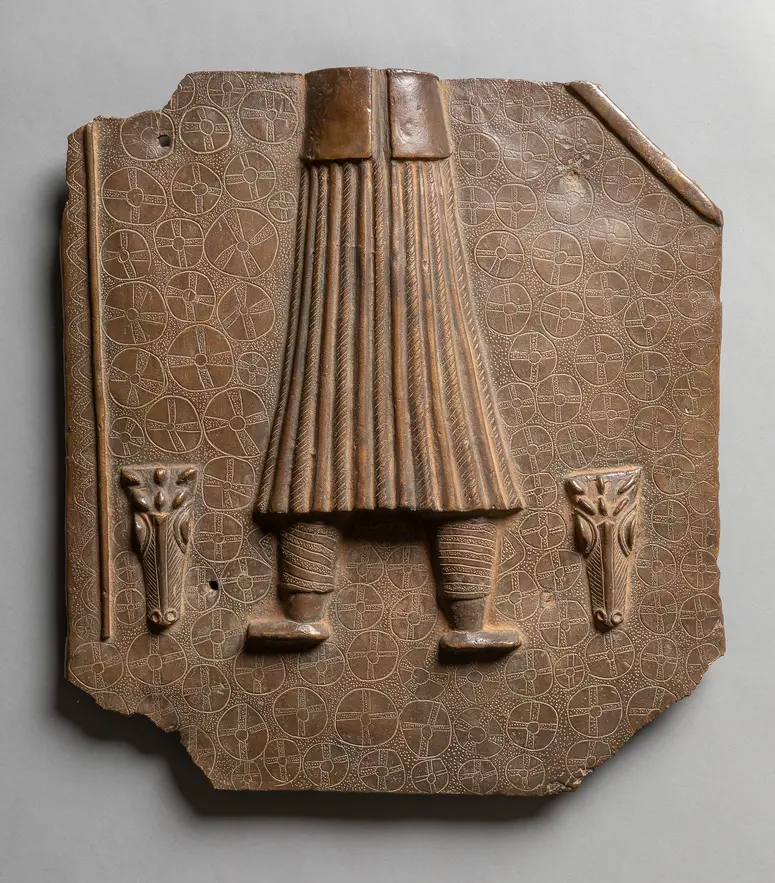

Relief Plaque: Lower Body of a Portuguese William Downing Webster 16th/17th century