Tomb figure, Female servant
cai hui nü li yong 彩繪女立俑
Starting in the Han dynasty (206 BCE–220 CE) anthropomorphic grave goods were produced in miniature form according to their function. Thus, for example, soldiers, musicians, servants, officials, or eunuchs stood in the individual tomb chambers. Clay figures were produced using models.
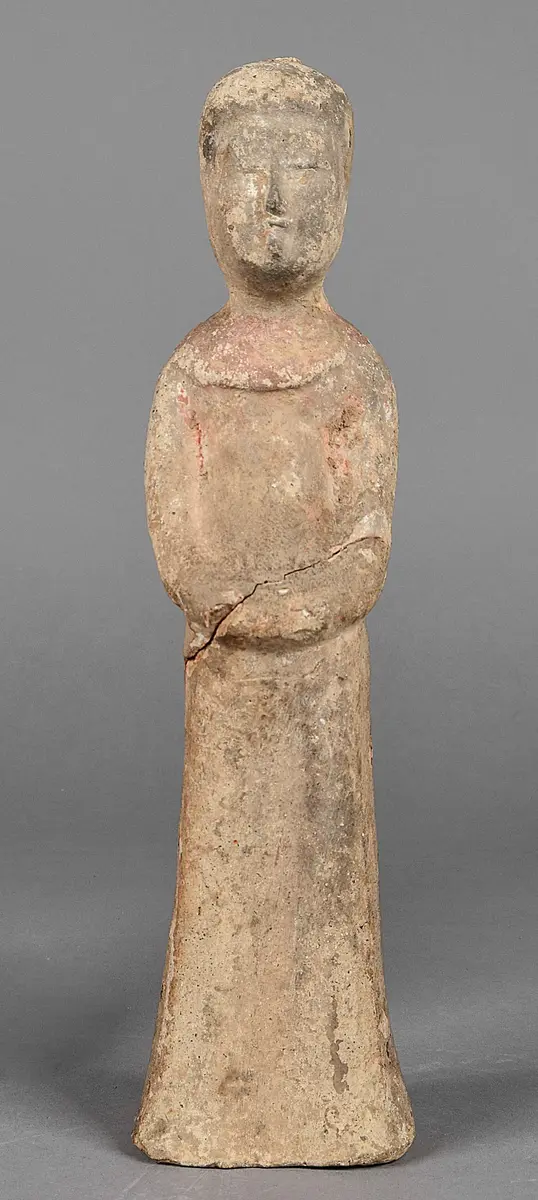
Starting in the Han dynasty (206 BCE–220 CE) anthropomorphic grave goods were produced in miniature form according to their function. Thus, for example, soldiers, musicians, servants, officials, or eunuchs stood in the individual tomb chambers. Clay figures were produced using models.
Time:
618-907
Entry Date:
1929
Object Name
Tomb figure, Female servant
Material/technology:
Fired clay, cold painted
Copyright
Weltmuseum Wien
Collection area
East Asia: China, Korea, Japan
Geography
Ostasien/China
Period
Tang Dynasty
Invs.
122485
Browse more Similar items you might be interested in
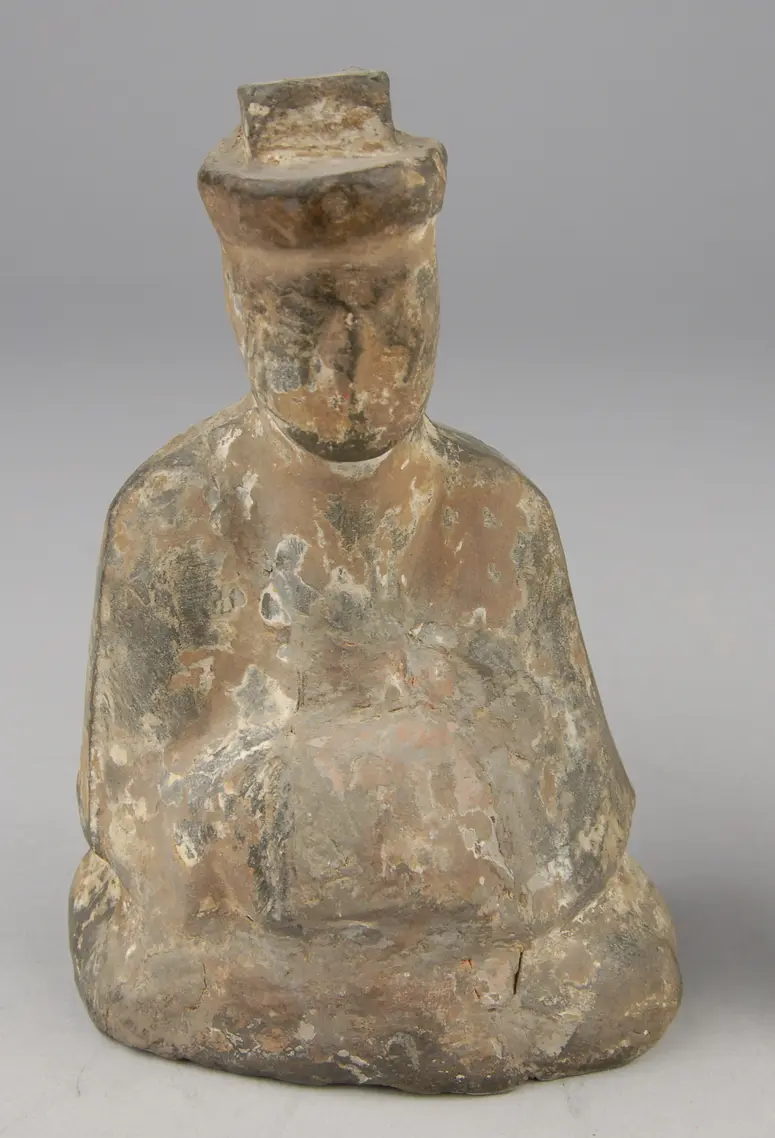
Tomb figure, Seated man A. Förster, vorm. Hof- u. Kammerlieferant, kaiserl. russ. Hoflieferant Datierung unbekannt
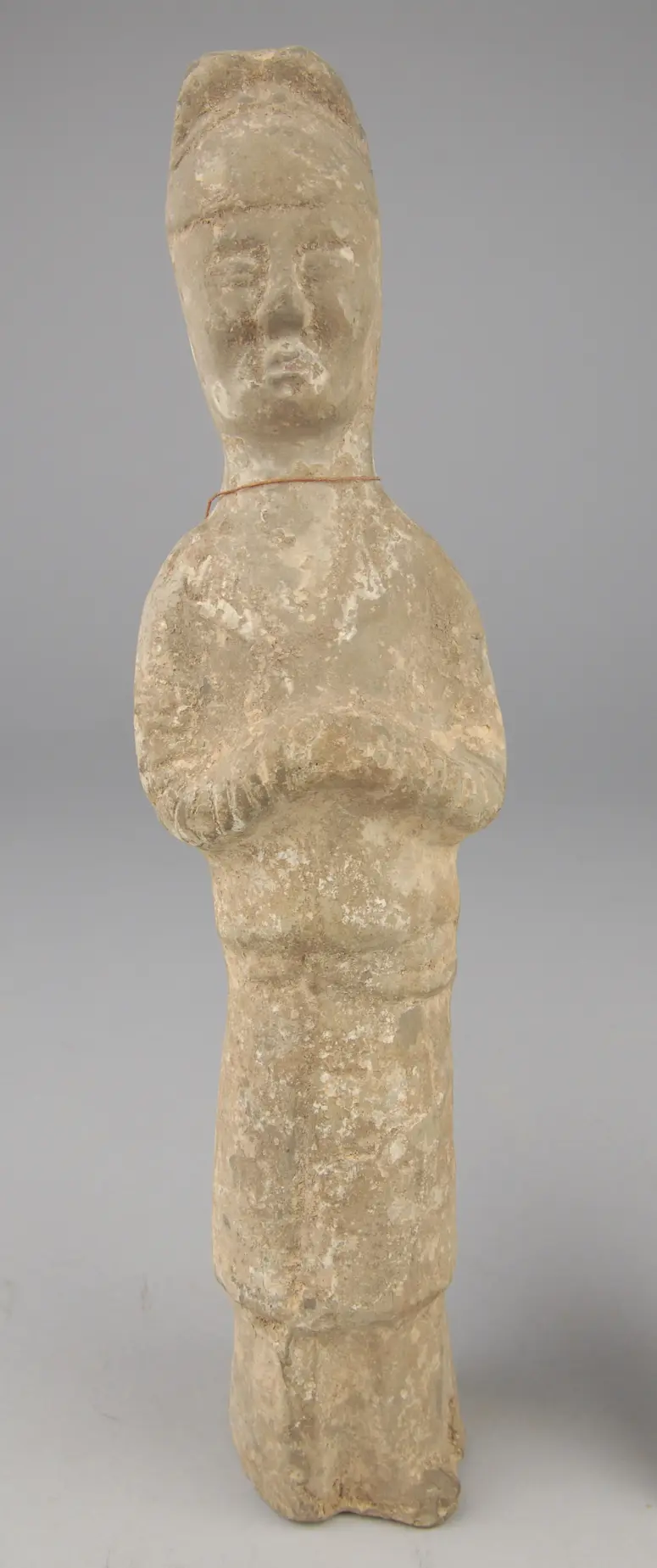
Tomb figure, Servant A. Förster, vorm. Hof- u. Kammerlieferant, kaiserl. russ. Hoflieferant 618-907
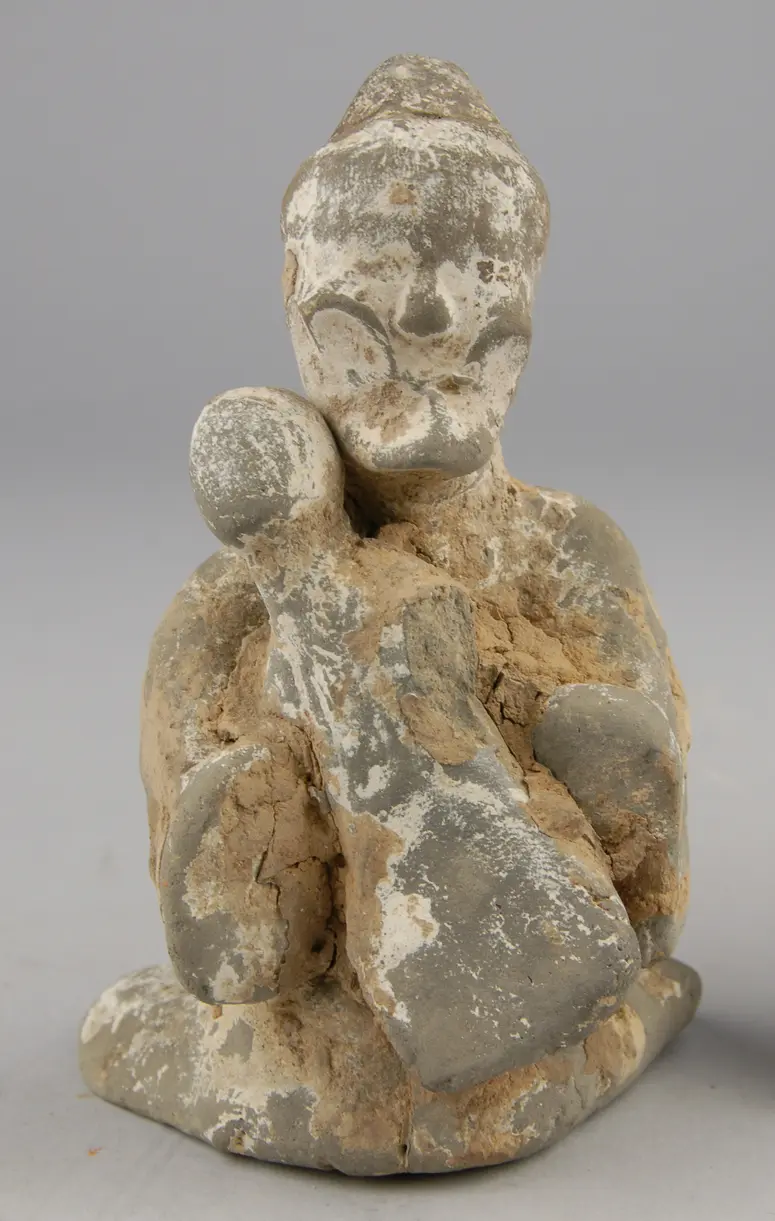
Tomb figure, Kneeling woman with child A. Förster, vorm. Hof- u. Kammerlieferant, kaiserl. russ. Hoflieferant Datierung unbekannt
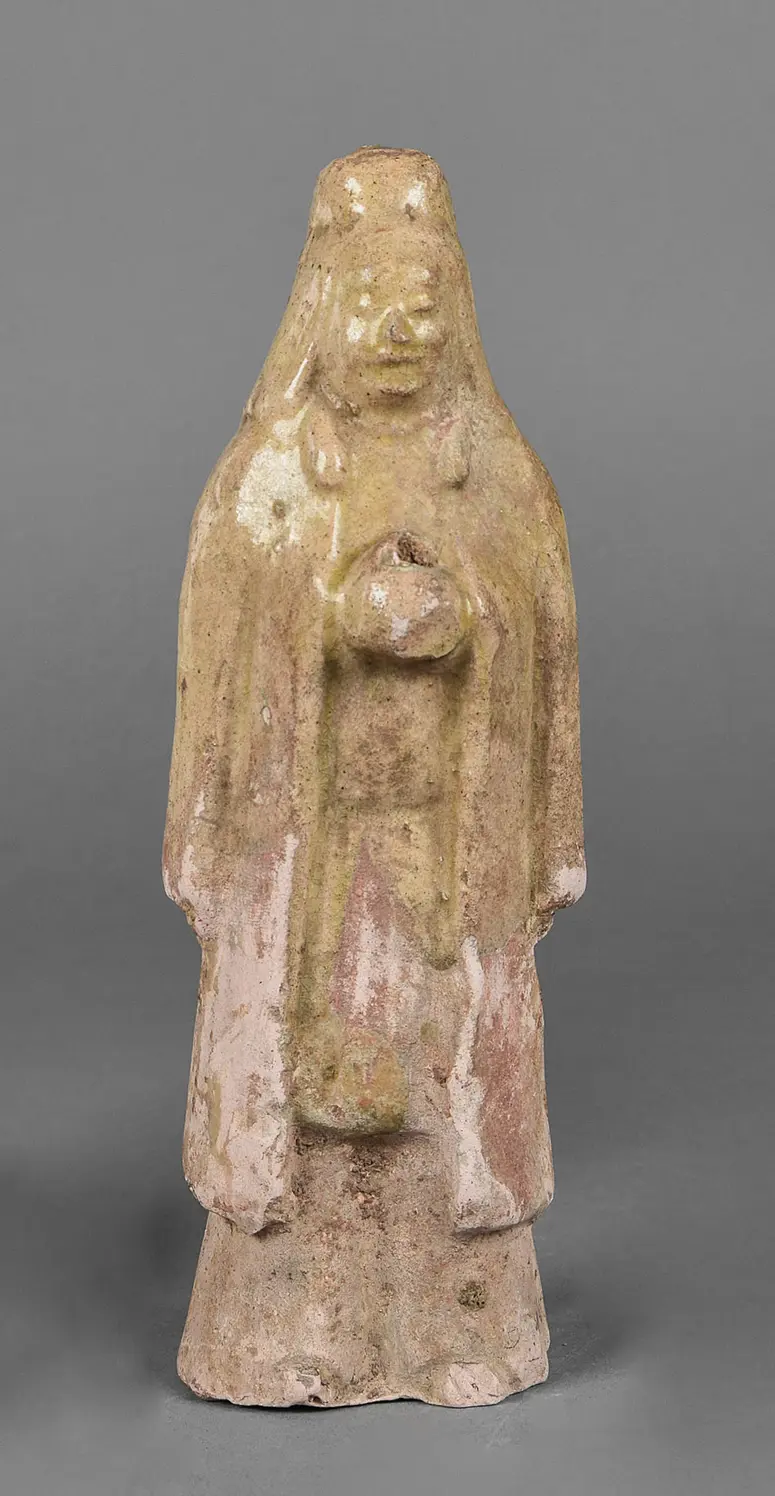
Tomb figure, Standing figure A. Förster, vorm. Hof- u. Kammerlieferant, kaiserl. russ. Hoflieferant 618-907
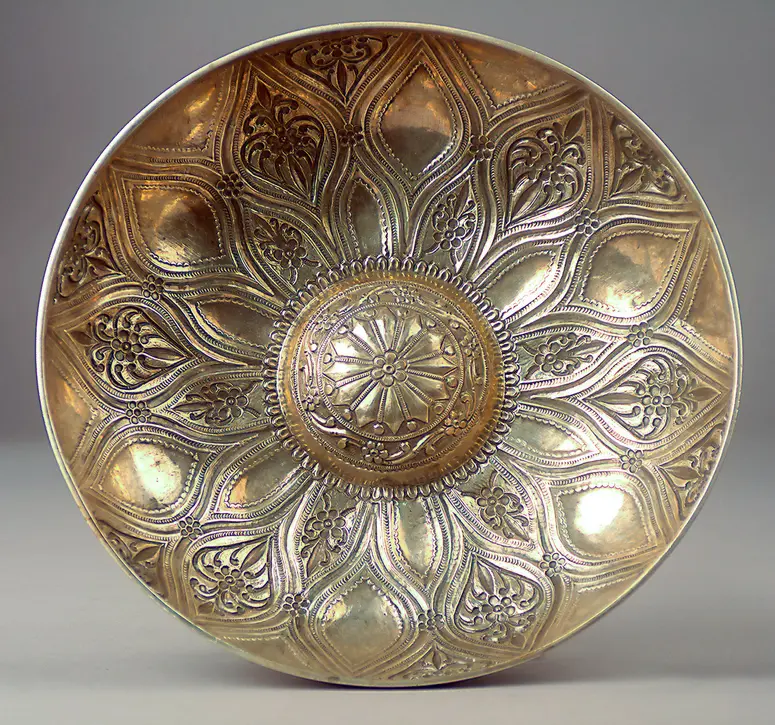
Ottoman bath bowl with flower motifs A. Förster, vorm. Hof- u. Kammerlieferant, kaiserl. russ. Hoflieferant 19th century